Our son, Todd, is getting married next month. Reactions of friends are all over the map, but generally speaking, most people respond positively to his announcement. Independent of poll results, Todd is getting married for the best reasons I know: He chooses Adrienne. She chooses him. He wants to give his life to her. They trust each other and choose to build a family together.
Reaction to our daughter’s wedding announcement was often less positive. For example, when I called my aunt to tell her that Whitney was engaged and to invite her to the festivities, she immediately censured me and told me that I had to put a halt to the wedding plans, that I must tell Whit that she was making a terrible mistake—She hadn’t even finished college yet! I explained to my aunt that I felt that Whitney, as a woman, was capable of making up her own mind and that I supported her in the decision.
My Central Asian friends are more open to the culture of marriage. The notes of congratulations I’ve received from Central Asia are full of warm wishes for Todd and Adrienne and of prayers for happiness and lots of children. Upon greeting others, it is culturally important to my friends from the region to establish a rapport, which is done in many ways, including the asking of personal questions. One way to set at ease all conversational partners is to ask questions about family and marital status, which is considered conversationally neutral if everyone in the discussion is of the same gender. Once, a scholar from Central Asia was thoroughly enjoying a deep discussion with a student of Central Asian languages at a major university, when the scholar asked the student, “Are you married?” The student was incensed, abruptly ended the visit, and walked away. Describing the situation later, the student exclaimed, “I was so offended by the question. Why would they ask that? It was so rude! The conversation was just… over.” Not exactly conversationally neutral in modern Western culture. Conversationally speaking, the American student considered the question to be a threat. How did we get so prickly about marriage?
For years, marriage has been associated with strong commitments and strong emotions. Ellis Peters illustrates the clear difference between a mere marriage of culture and a marriage for love, in her novel, The Leper of Saint Giles. I love the series of Medieval murder mysteries solved by a Benedictine monk named Brother Cadfael, but this one in particular is one of my favorite books. Peters skillfully uses a pitiable person to teach of commitment to family, to illustrate how marital vows and family bonds extend beyond personal desires and individual preferences to include mutual choice.
I think that our modern culture’s resistance to marriage is rooted in a cultural resistance to choose commitment. Why open oneself unnecessarily to getting burned? Over the years, Kim and I have deliberately engineered deep discussions with our kids to educate them regarding commitment. As Mormons, we have worked hard to defend ourselves against resistance to commitment by teaching our family to have faith that marriage can extend beyond death, that families can be forever, and that there are solid and fun reasons to continue to work together even when times are tough.
Marriage well prepared for is a blast! Todd and Adrienne are well prepared. We wish them the best.
I wrote this a little over a year ago, but today’s experience reminded me of it and I wanted to share it with you. Enjoy!
“Boys, please whisper.” I’ve said that a bazillion times since we sat on this pew a half-hour ago. “We’re in the Chapel, and The Sacrament is being served. Please show reverence and think about Jesus.” My two oldest sons (ages 5 and 6) quietly resume their contest: racing to see who can find a specific Hymn number first. I look to the ceiling and roll my eyes—I taught them that game. Allowing them a little lee-way, I attempt to take my own advice and think of my Savior. The baby begins to fuss. I tuck his blanket around him and rock the infant carrier, hoping to sooth him to sleep. Simultaneously, I grab my 3 year old daughter’s feet to prevent them from, again, kicking the pew in front of us. Why do they have to have wooden pews in this acoustically sound room? Rock, rock, Rock, rock. “Mommy, I’m thirsty, when will the water come?” my daughter asks at the top of her voice. Why the acoustics!? I whisper a response she doesn’t like and a tantrum begins. Fussy baby—Rock, rock, Rock, rock. I attempt reasoning, to no avail, the tantrum escalades. Oh church during naptime! I give my daughter the option of getting a grip or having a time out on my lap in the hall. She chooses the time out. I don’t like 3 year olds! I grumble to myself. I look down the row at the blessed woman who sits near us. She nods her head and begins to shuffle her way, over her son and my boys, toward the baby to continuing the rocking. I yank my three year old to her feet and march her down the isle and out into the hall serenaded by her discontent. In the hall, time out is unpleasant so that behaving in the Chapel starts to look good.
Sitting with my melodramatic three year old I wonder WHY do I EVEN try!? Why do I bother coming to church? I never get to listen to the talks in Sacrament Meeting (even when I manage to STAY in Sacrament Meeting)! I partake of the Sacrament each week, but I hardly am able to think of my covenants at all. And if I’m in my other meetings I, still, can hardly hear them. Why do I do this? What do I get out of it?
Suddenly I hear my Mom’s voice in my head, “You’re just keeping up the habit.” I think about that for a little while.
In the evening, before bedtime, we read the scriptures as a family. My oldest two boys can read (even though it is sometimes a painful lesson in long-suffering) and my daughter repeats the verse after Brendan or I read it in pieces for her. Lying on our tummies in the living room each with his/her own set of scriptures, bookmark, and red marking pencil scripture reading goes something like this: “First Born you start.” “No! I wanted to start” “I want to read 2 and 32 and 9 and 16” “We’re only reading two each, Sweet Girl” “HE HAS MY BOOKMARK!!” Enter The Baby (10 months) “AAAAAHHHH!!!” (happy squeals as he gets a hold of someone else’s something and shreds it, or attempts to) “OKAY EVERYONE, Frist Born is starting, no more talking!” “And…behold…it…came…to…pass…’ My daughter is wielding her marking pen like a wand and whispers, “I command you to be a Chihuahua!” and whacks her scriptures. Second Born is fending off the Baby. Dad is trying to get a good grip on the 23.5 lb baby and I’m attempting to help First Born read. The thought reoccurs to me , Why am I doing this to myself!? And again, I hear my Mom’s voice, “You’re just keeping up the habit.”
Sometime after my oldest was born, my Mom taught me that moms with young children go to church not because they are regularly edified and rejuvenated (although that certainly happens on occasion) but rather to keep up the habit. Mom taught me that the consistency of attending church, keeps the habit for myself, and also teaches my children that I view The Gospel as a high priority item. I knew church was important to my parents and that was largely in part because we went to church weekly, unless we were contagiously sick. I know that regularly attending church as a child is a main contributor to my desires to be a faithfully attending adult. I also know that my daily habit of scripture study is deeply rooted in my parents’ consistent efforts to hold family scripture study. Even especially, when we were all in sports, working jobs, and had extracurricular activities.
“Keeping up the habit” circumstances like continually attending church services and holding family scripture study are cases where actions do speak volumes to my children! The things I spend my time and efforts on communicate to my children how I feel about them! THAT is why I keep attending church. THAT is why I keep holding family scripture study! In spite of the ridiculous that occurs during these sacred moments going to church and family scripture study are important to me. I want my children to know not just because I tell them, but because my actions show that these things are important to me. So I’m gonna keep “keeping up the habit” like my Mom has taught me and have hope in the promised blessings of obedience and diligence in my efforts. I know that when we are obedient to the Laws of God, when we diligently strive to follow him by studying the scriptures and attending the church meetings which He has provided for our learning He will bless us and our families. I have experienced those blessings myself, I know they will come!
“Each family prayer, each episode of family scripture study, and each family home evening is a brushstroke on the canvas of our souls. No one event may appear to be very impressive or memorable. But just as the yellow and gold and brown strokes of paint complement each other and produce an impressive masterpiece, so our consistency in doing seemingly small things can lead to significant spiritual results. “Wherefore, be not weary in well-doing, for ye are laying the foundation of a great work. And out of small things proceedeth that which is great” (D&C 64:33). Consistency is a key principle as we lay the foundation of a great work in our individual lives and as we become more diligent and concerned in our own homes.”
Read, watch or listen to Elder David A. Bednar in his talk, “More Diligent and Concerned at Home”, Oct 2009.
Over the years, our societal culture has embraced delayed adult development. To me, it indicates a certain lack of faith. Could it be that many parents fail to teach their kids to step out in faith?
Debating
Our daughter Whitney has always been wiser than her years and taught us repeatedly about stepping out in faith. She excelled at debate and won many awards in high school. She was going to be a senator, and she would have excelled at that, too. Then suddenly, she stopped. I was stunned. She explained, “Dad, it makes me hard.” Seeing that that was an unwise development, she no longer felt good about it, and she decided to employ her time elsewhere. She had talked with her Maker about it and chose to step out in faith in a new direction.
Leonard Bernstein said that to achieve great things, you need a plan and not quite enough time. Clinical psychologist Meg Jay teaches us about what she calls the benign neglect of adult development: “So what do you think happens when you pat a twenty-something on the head and you say, ‘You have ten extra years to start your life’? Nothing happens. You have robbed that person of his urgency and ambition, and absolutely nothing happens.” She continues:
So when we think about child development, we all know that the first five years are a critical period for language and attachment in the brain. It’s a time when your ordinary, day-to-day life has an inordinate impact on who you will become. But what we hear less about is that there’s such a thing as adult development, and our 20s are that critical period of adult development. But this isn’t what twenty-somethings are hearing. Newspapers talk about the changing timetable of adulthood. Researchers call the 20s an extended adolescence. Journalists coin silly nicknames for twenty-somethings like “twixters” and “kidults.” It’s true. As a culture, we have trivialized what is actually the defining decade of adulthood.
It’s a bold message. Here’s why she’s bold:
And then every day, smart, interesting twenty-somethings like you or like your sons and daughters come into my office and say things like this: “I know my boyfriend’s no good for me, but this relationship doesn’t count. I’m just killing time.” Or they say, “Everybody says as long as I get started on a career by the time I’m 30, I’ll be fine.”
But then it starts to sound like this: “My 20s are almost over, and I have nothing to show for myself. I had a better résumé the day after I graduated from college.”
And then it starts to sound like this: “Dating in my 20s was like musical chairs. Everybody was running around and having fun, but then sometime around 30, it was like the music turned off and everybody started sitting down. I didn’t want to be the only one left standing up, so sometimes I think I married my husband because he was the closest chair to me at 30.”
Where are the twenty-somethings here? Do not do that.
I’m glad our kids decided to skip the kidult decade. Instead, they decided to pass GO, collect $200, and become adults. They stepped out in faith in choosing a career. In choosing to date as well as to hang out. In choosing a spouse. In choosing to start having kids. In choosing to stop having kids. In choosing to stay married even when times get tough. Our kids are ready for all of these decisions. They were ready for these decisions before they turned 20.
Family in Mexico City (México, D.F. or Federal District), Mexico
Too many thirty-somethings and forty-somethings look at themselves, and at me, sitting across the room, and say about their 20s, “What was I doing? What was I thinking?”
2. A recent line of ads is from AT&T, “Embrace Your Fear Of Commitment”. Note that AT&T ironically labeled the video: “I Heart Freedom”. This is not freedom; this is selfishness. This is choosing to share your life in a friendly adolescent way and adamantly refusing to share your life in a family adult way. Delayed adult development oozes from the text of the ad:
“Marriage is a No-go,” states Joshua in the 30-second version of the ad, which is no longer available, since AT&T decided that they no longer wanted to be married to the shorter version of the ad.
The Woodstock woman says, “It’s not that I have a fear of commitment. It’s more like, uh, interest in exploring all of my options. I have a commitment to that. I have a commitment to exploration.”
Sounds good, but here is Meg Jay on the above ideas: “I’m not discounting twenty-something exploration here, but I am discounting exploration that’s not supposed to count, which, by the way, is not exploration. That’s procrastination.”
3. A related video, at least in my mind, is from Sir Ken Robinson in his presentation, “How Schools Kill Creativity“, or see interactive transcript. It reminds me of a saying in our family that you can’t let schooling get in the way of your education. Some of the most important things we must learn in life we will learn outside of formal education.
——– End of Bonus Material ——–
WebCredits—List of web resources used in this post but not explicitly credited above:
Photo, “Debating”—digitaldebating.idebate.org
Photo, “Family in Mexico City (México, D.F. or Federal District), Mexico”—Ensign Magazine, May 2014, Page 96
Is temptation real or imagined, internal or external? Is there such a thing as a devil or Satan, or is such a concept pure fiction? Is God real?
I knew an incredible woman in Mendoza, Argentina. Hermana Montanini was quick, intelligent, inquisitive, ready to speak her mind, a new member of the Church of Jesus Christ and willing to ask tons of questions. We started teaching a second woman, Hermana Re, who happened to live across the street from Montanini, and although they didn’t know each other, they became fast friends. Hermana Re struggled with part of our law of health, the invitation to abstain from drinking tea. She really enjoyed her tea. She shared her struggles with Hermana Montanini, who taught her about temptation in a way that we had not yet considered. “Have you ever prayed to Heavenly Father and felt that your words just bounced back down from the ceiling and never got through to Him? I promise you, that if you give up your tea, you will find that it will free you to communicate more effectively with God, and he will reward you with a closer relationship with Him.” Hermana Re put Hermana Montanini’s words to the test, gave up her tea straight away, and discovered for herself the enhanced interconnection with God that had previously eluded her.
Temptation for me is a win-or-lose thing. When I succumb to temptation, I lose and become timid. I defeat myself. When I conquer temptation, I boldly conquer fear. I am victorious over myself. As a Mormon, I believe that within me, within each of us, is the natural man, which is an enemy to God and wars against the spiritual man, also within each of us, who invites us to become as a child, submissive, meek, humble, patient, full of love, in every way the opposite of the natural man.
If God is real, does He care that we choose His ways over other ways?
My son, Todd, thinks that God cares and that we have a responsibility to teach others about temptation. Todd works as a manager at a city pool. One of his coworkers asked for time off for a family gathering. After being granted the time off, she happened to share with Todd that she also planned to go to a band concert during the time off. In a fun way, Todd let her know that his mom taught him that any intent to deceive is a lie and that he expects her to share the whole truth next time and not just part of the truth. They shared a good laugh and decided that she hadn’t been as honest as she could have been. This will allow them to communicate as friends and as co-workers without him having to say each time, “Is there anything else you wish to share with me?” Todd feels that he successfully found a way to teach her about the need to avoid temptation at work when it comes to telling the whole truth.
Temptation is a battle. A battle with self. The arena is the arena within. It is as real as confidence, as real as bravery, as real as love.
“The credit belongs to the man who is actually in the arena, …who at best, knows in the end the triumph of high achievement, and who at worst, if he fails, at least fails while daring greatly, so that his place shall never be with those cold and timid souls who know neither victory nor defeat.”
—Theodore Roosevelt, as posted in the NCAA Hall of Champions, Indianapolis, Indiana, USA
I have learned for myself that temptation is indeed very real, that Satan exists and tries with every power he has available to distract and deceive us, and that God is real and cares that we choose His ways. If we love God, if we listen to Him, we can emerge triumphant every time.
Plato on Knowledge And Virtue
——– End of Post ——–
Bonus Material:
1. Harvard Business School innovation expert Clay Christensen teaches us these same concepts in his YouTube video, “Teach People to Detect Temptation”:
2. John Cleese (of Monty Python fame) reads The Screwtape Letters, by C. S. Lewis. Screwtape is a senior devil teaching the basics of tempting humans to junior-devil-in-training, Wormwood:
3. Carlos Fusco, President, Brazil Fortaleza East Mission, says of the people in his area: “Our country has so many youth. It’s a young country. They are thirsty for something different than what the world is presenting to them.” How thirsty are you?
——– End of Bonus Material ——–
WebCredits—List of web resources used in this post but not explicitly credited above:
Quote, “Plato on Knowledge And Virtue”, www. quotespedia.info/quotes-about-knowledge-knowledge-becomes-evil-if-the-aim-be-not-virtuous-a-3027.html
Quote, “Aristotle on Courage To Conquer Self”, www. quotespedia.info/quotes-about-courage-count-him-braver-who-overcomes-his-desires-than-him-who-conquers-his-enemies-a-1903.html
Migrant Mother, Nipomo, California, 1936 by Dorothea Lange
Bullying begins early, especially when faith is involved. My friend who shoved my face in the dirt was one of many. In elementary school and junior high, when kids learned I’m Mormon, they would often ask how many moms I had. I remember wondering how much they really knew about the birth process.
I have Muslim friends, Catholic friends, Jewish friends, friends of many faiths, all with experience getting their faces shoved in the dust. Gritty, tough, beautiful faces.
Dirt and faith go together. Opposition, criticism, and antagonism are companions to truth. Whenever the truth is revealed with regard to the purpose and destiny of mankind, there will always be a force to oppose it.
Faces Of Kevin At 3 Years Old
When our son Kevin was three or four years old, an older sibling had a soccer match after a week of rain. At the side of the field was a narrow 25-foot-long puddle. Kev quickly learned that if he ran and threw his body on the ground in just the right way, he could slide the entire length of the water. Before long, the families around us began to watch Kevin instead of the game. One photographer mom missed her son’s only goal of the season as she focused her lens on Kev. “Gotta set priorities. Look at that face!” she said, kept snapping shots, and gave us copies of her images later that week.
Dirt and Faith on the Mexican Baja
Years later, Kevin’s face was again caked with dirt, this time from the dry dust of Tijuana, made a bit muddy by the ample sweat of his brow. He loved working closely with friends from Mexico as they labored to teach the truth. At one point, weeks of opposition and criticism were taking a heavy toll. His close friends were truly discouraged, and it weighed heavily on his heart. Kev decided to rip his bedsheet in two and scribbled on his Title of Liberty, “In memory of our God, our religion, and freedom, and our peace, our wives, and our children”, and fastened it upon the end of a pole. He called his flock of fellow laborers together to encourage them and, in his strong voice, shouted in Spanish, “Whosoever will maintain this title upon the land, let them come forth in the strength of the Lord, and promise with me that they will maintain their rights, and their religion, that the Lord God may bless them.” After signing the rent cloth, Kevin invited them to sign. They all did. And their courage was restored. People started really talking with these young men once again, sharing feelings down deep and listening to them, as the weeks of opposition and antagonism evaporated, leaving only the local dust on their tired, smiling faces.
Look for the biggest dust cloud billowing above the most dirt, and you’ll find that it’s being kicked at someone standing for the truth. Sometimes, no one stands with them.
“The Standard of Truth has been erected; no unhallowed hand can stop the work from progressing, persecutions may rage, mobs may combine, armies may assemble, calumny many defame, but the truth of God will go forth boldly, nobly, and independent, till it has penetrated every continent, visited very clime, swept every country, and sounded in every ear, till the purposes of God shall be accomplished, and the Great Jehovah shall say the work is done.”—Joseph Smith
Bullies will always assemble themselves. Why? Because someone is teaching the truth, and the truth will always be opposed. Time to labor harder, time to work smarter, time to smile that feel-it-deep-down smile…
Two men looked up from prison bars,
One saw the mud, the other saw stars.
—Dale Carnegie, How to Stop Worrying and Start Living
Defying Opposition
——– End of Post ——–
Bonus Material:
Many of these thoughts are inspired by Lawrence Corbridge. Read, watch or listen to his entire address, “The Prophet Joseph Smith”, Apr 2014 LDS General Conference.
“A Father’s Gift”, Liz Lemon Swindle
——– End of Bonus Material ——–
WebCredits—List of web resources used in this post but not explicitly credited above:
Photo, “Migrant Mother, Nipomo, California, 1936 by Dorothea Lange”—www2. artsmia.org/blogs/new-pictures/category/mia-photo-exhibitions/
Photo, “Dirt and Faith on the Mexican Baja”, from private collection
Quote, “The Standard of Truth,” Joseph Smith, Jr., History of the Church, Volume 4, Page 540, from the Wentworth Letter, just before the Articles of Faith
Quote by Dale Carnegie, www. goodreads.com/quotes/420532-two-men-looked-out-from-prison-bars-one-saw-the
Photo, “Defying Opposition”, from private collection
Painting, “A Father’s Gift”, by Liz Lemon Swindle. Swindle tells us that this tender painting portrays the love of three fathers. Our heavenly Father entrusted the twins to John and Julia Murdock. When Julia died after childbirth, Brother Murdock entrusted them to Joseph, who brought them to Emma. Emma had just lost her own twin babies within hours of their birth. Joseph and Emma loved and raised the twins as if they were their own. See www. ldsart.com/p-10603-fathers-gift.aspx. Dave adds: To me this painting is about how a loving God follows opposition and trials by restoring smiles.
Painting, “Hope”, by Liz Lemon Swindle. See www. world-wide-art.com/art/Liz_Lemon_Swindle.html. Peter and John were no strangers to criticism and antagonism, which had cost them dearly. Swindle teaches us about illustrating a tender moment just before their faces learn to smile again:
When Mary came to the tomb, she found the stone rolled away and the tomb empty. She ran to the disciples crying, “They have taken away the Lord…and we know not where they have laid him” (John 20:2). Peter and John immediately ran to the tomb.
What did they think as they ran? Were they simply curious to see for themselves? Did they fear, like Mary, that their enemies had stolen the body? Or did they remember His promise, “Destroy this temple, and in three days I will raise it up”?
The decision that faced Peter and John that Sunday morning is the same decision that faces each one of us today. Will we doubt? Will we hope? Or will we know that He lives? I know that He lives.
Photo, “Smiles After Opposition”, from private collection
I remember when I was in Ninth Grade and on a campout with friends, we went on a five-mile hike with all our equipment. We were on a dusty country road, and one kid got off the beaten path and was walking through the brush at the side. He stumbled upon a pile of magazines, which he quickly discovered were discarded pornographic magazines. As one of the wilder ones among us, he immediately let out a whoop and called everyone over to him to share in the pleasure of his treasure. While most of my friends stayed on the road, a few joined him in looking through the pictures. I remember distinctly having to make a decision. Did I feel this was right, or did I feel this was wrong? I quickly decided that this was not just wrong but very wrong, and I chose not to join the boys combing through the trash pile. When our adult leaders learned of the experience, they suggested that we go back and load the pile of trash into the back of a station wagon, which we did, and most of us were glad to discard it more appropriately. We felt that removing the pile was the right decision.
Is the concept of right and wrong something you support, something you couldn’t care less about, or something you simply find confusing? Is it possible for any of us to find an answer? In my faith tradition, we have a concept of “Choose The Right”. As kids in Primary, our children’s organization, we receive small rings – CTR rings for Choose The Right. The overall principle of right and wrong is that God is the author of right things, that decisions abound, that each of us may receive guidance from God, and that He will help us to choose the right path. I think that, while at times God may not feel strongly which decision I make, at the times when He does, as a loving Father in Heaven, He tries hard to let me know. If I listen, I can choose the right.
I’m not the only one who thinks there are unequivocal rights and wrongs. St. Augustine of Hippo taught us, “Right is right even if no one is doing it; wrong is wrong even if everyone is doing it.” And I love this gem of hope from Henry Eyring.
I have learned for myself that right and wrong actually exist and that God blesses us liberally when we choose the right.
Just As This Man Points The Way, So Does Our Heavenly Father…
——– End of Post ——–
Bonus Material:
1. “We all tend to approach decisions about right and wrong in one of three ways.”
—Margaret R. McLean, Director of The Applied Ethics Center at O’Conner Hospital and Director of Health Care Ethics at the Markkula Center for Applied Ethics, Santa Clara University, Santa Clara, California. Read more of her three ways.
2. Read, watch or listen to President Henry B. Eyring, “A Priceless Heritage of Hope”, Apr 2014 LDS General Conference.
Education And Family Scripture Study Help Us Learn Right And Wrong
——– End of Bonus Material ——–
WebCredits—List of web resources used in this post but not explicitly credited above:
Photo, CTR ring with scriptures—www. lds.org/search?query=ctr+ring&x=0&y=0&lang=eng&collection=media
Quote: “Right is right even if no one is doing it; wrong is wrong even if everyone is doing it.”―St. Augustine of Hippo, en.wikipedia.org/wiki/Augustine_of_Hippo, as quoted in www. goodreads.com/quotes/tag/right-and-wrong
Photo, “Just As This Man Points The Way, So Does Our Heavenly Father…”—Ensign, May 2014, Page 25
Photo, “Education And Family Scripture Study Help Us Learn Right And Wrong”—www. lds.org/topics/family-history?lang=eng
Photo, “A Loving Family Helps Us To Choose The Right”—kaileyraephoto.blogspot.com/
Reader Question: Dave, can you please provide a list of recipes that your family has enjoyed over the years? Food is really important to our family since we all love to eat, and it’s a wonderful part of our family get-togethers. What dishes would you suggest? Family Answer: Thanks for your question. Sincere, honest questions are always a good thing. To gather an answer to your question, we talked to our adult kids, and here’s the list that we gathered. Note that this will be a living list, a living post, that we will add to over time as we remember other recipes or find new ones that we wish to include. For us, food is a delivery system for scintillating conversation. It helps us all to see through to the hearts of people. Here’s the MormonPanorama Recipe List of dishes our family have enjoyed for years. You are welcome to try them out beforehand and judge for yourselves (great excuse!).
DRINKS
Dogh: Yummy national drink of Afghanistan—One of my favorites
Extended recipe list from MormonPanorama — A post with additional space in order to include recipes that don’t have their own webpage. What we were looking for in recipes for our family as they grew up:
Dishes that were delicious and fun.
Foods that are healthy, that build up and uplift. None of our recipes include coffee, tea or alcohol.
We hope this answers your question, greases many a great conversation, and helps you understand us better and how to become a more effective family. And let us know how we may help you further! If you find that you have any questions about religious issues that you’ve been wondering about or that you haven’t been able to get good answers to, feel free to continue on discussion with us. It turns out that there are a lot of people with questions, and most of them have given up on churches as a source of answers. In our family, it is our experience that answers are out there, that God wants us to have them, and that they tend to be answers we like and have learned to appreciate. Working together with Heavenly Father allows anyone to find certainty in uncertain times.
-Dave and the MormonPanorama Family
——– End of Post ——–
WebCredits—List of web resources used in this post but not explicitly credited above:
This post is an extension of a post from MormonPanorama that lists recipes that our family has learned to love over the years.
Recipes appear below for which we wanted to highlight a selected recipe on a webpage, or for which we happened to find no convenient website for a particular recipe. Enjoy!
-Dave and the MormonPanorama Family
DRINKS
·————————————————————————————-·
More later
·————————————————————————————-·
SALADS/SOUPS
·————————————————————————————-·
More later
·————————————————————————————-·
SIDE DISHES
·————————————————————————————-·
Sautéed green beans
·————————————————————————————-·
In a wok, heat a tablespoon of olive oil. Toss in a pound of fresh or frozen green beans (yes, toss them in frozen—but they will pop a bit). Sprinkle with seasoned salt and powdered garlic. Stir, keep ’em moving, and cook at high heat until slightly charred. Do it quick so that they’re still a bit crispy and not overcooked. Wonderful!
MAIN DISHES
·———————————–·
Chocolate pancakes
·———————————–·
Basic recipe: Chocolate pancakes.
Or do what we did: Simply use a pancake mix and stir in chocolate syrup.
Usually, we also added chocolate chips. And drizzled with more chocolate syrup (instead of maple syrup). On really decadent days (and when Mom was out of town), we’d stir lots of chocolate syrup into our milk. No salad, no nothing but chocolate pancakes with chocolate chips, chocolate syrup, and chocolate milk. The kids thought they’d died and gone to heaven. And then, when I worked for American Airlines, sometimes they would beg Mom to go visit someone in another state (so that we could have chocolate pancakes again)!
·———————————–·
Creamy apple curry chicken
·———————————–·
1/4 cup (1/2 stick) butter
1 large yellow onion, cut into 1-inch chunks
1 green bell pepper, cored and cut into 1-inch chunks
1 red bell pepper, cored and cut into 1-inch chunks
2 cups cauliflower florets
1 pound boneless, skinless chicken thighs, cut into bite-size cubes
3 medium apples, peeled, cored and diced
2 tablespoons curry powder (hot or mild, to taste; we add a bit more)
1 teaspoon salt
1/2 teaspoon ground black pepper
3 tablespoons all-purpose flour
1 1/2 cups milk
1/3 cup dried cranberries (we double the cranberries)
1/3 cup toasted slivered almonds (we also add shredded coconut)
In a large, deep skillet over medium-high heat, melt the butter. Add the onion and sauté until tender, about six to seven minutes. Add both kinds of bell peppers, the cauliflower and chicken. Cook until the vegetables are just tender and the chicken is cooked through, about 10 to 12 minutes.
Add the apples, curry powder, salt and pepper. Cook until the apples are just tender, about three to five minutes. Sprinkle the flour over everything, stirring to coat. Add the milk and cranberries, stirring and cooking until the sauce comes to a simmer and thickens. Serve sprinkled with toasted almonds.
Start to finish: 40 minutes.
Servings: four.
Nutrition information per serving: 520 calories; 200 calories from fat (38 percent of total calories); 23 g fat (10 g saturated; 0 g trans fats); 125 mg cholesterol; 52 g carbohydrate; 10 g fiber; 32 g sugar; 32 g protein; 650 mg sodium.
·———————————————————————·
Macaroni and cheese, hot dogs, and green beans
·———————————————————————·
Mac & Cheese (from a box), hot dogs, and green beans. Another staple dinner from Dad. When Mom was out of town for several days and our kids were young, the kids loved it when I’d buy mac & cheese in various shapes. Mom would never buy them because they were more expensive. One time, we ate mac & cheese five nights in a row—Kids’ choice—One night with wagon wheel mac & cheese, another night with dinosaur shaped mac & cheese, some other shape on a third night, etc. Did it really matter what the shape was? Not to me. It was easy to fix and fun for the kids. Amazingly, they also learned that their real favorite was good, ol’ fashioned, simple and straight mac & cheese, and they stopped bugging Mom to buy other expensive shapes…
·——————————–·
Pasta primavera
·——————————–·
Cook 1 lb. of any kind of pasta al dente. Meanwhile, in a second pan, combine a can Cream of Mushroom soup (undiluted), a jar of alfredo sauce, and a can of evaporated milk. Heat until warm; do not allow to scorch. Throw in a handful of grated Parmesan cheese. In a third pan, steam or boil or sauté any vegetable combination—doesn’t really matter. To serve, make a nest of pasta, cover it with veggies, pour sauce on top, sprinkle with shredded Mozzarella cheese.
DESSERTS/SNACKS
·————————————————————————————-·
More later
·————————————————————————————-·
Reader Question:
Dave, can you please provide a list of poems that your family has enjoyed over the years? Our family really likes poetry, and it may be useful to have a handy list around. We would truly appreciate whatever guidance you choose to give or poetry you might suggest.
To gather an answer to your question, we talked to our adult kids, and here’s the list that we gathered. Note that this will be a living list, a living post, that we will add to over time as we remember other poems or experience new ones that we wish to include.
For us, poetry is an ancient, vital language. It limbers up our imagination. Here’s the MormonPanorama Poetry List for helping to stretch the minds of your family. These are for a general audience unless otherwise marked, and parents are encouraged to read beforehand and judge for themselves.
Extended poetry list from MormonPanorama — A post with additional space in order to include selected excerpts of poems or complete poems that don’t have their own webpage
What we were looking for in poetry for kids as they grew up:
Poetry that gave us material to discuss – especially about what is right and what is wrong and how to resist wrongs that are embraced by so many others around you.
Poems that build up rather than drag down, that uplift and inspire.
We avoided literature which stated that our moral standards are silly or which encouraged us to become less than we should be.
We hope this answers your question and helps you understand us better and how to become a more effective family, create strong citizens, and have fun with our youth and young adults.
And let us know how we may help you further! If you find that you have any questions about religious issues that you’ve been wondering about or that you haven’t been able to get good answers to, feel free to continue on discussion with us. It turns out that there are a lot of people with questions, and most of them have given up on churches as a source of answers. In our family, it is our experience that answers are out there, that God wants us to have them, and that they tend to be answers we like and have learned to appreciate. Working together with Heavenly Father allows anyone to find certainty in uncertain times.
-Dave and the MormonPanorama Family
——– End of Post ——–
Bonus Material:
1. 90% of People can’t pronounce this whole poem. Feel free to try it!
2. Monty Python on poetry—Kind of…
——– End of Bonus Material ——–
WebCredits—List of web resources used in this post but not explicitly credited above:
This post is an extension of a post from MormonPanorama that lists poetry that our family has learned to love over the years.
Poems appear below for which we wanted to highlight selected lines on a webpage, or for which we happened to find no convenient website for an individual work of poetry. Enjoy!
-Dave and the MormonPanorama Family
·———————————————————————————————-·
Martín Fierro, epic gaucho poem from Argentina (1872) — José Hernández
·———————————————————————————————-·
I sit me here to sing my song
To the beat of my old guitar;
For the man whose life is a bitter cup,
With a song may yet his heart lift up,
As the lonely bird on the leafless tree
That sings ‘neath the gloaming star.
May the shining Saints of the heavenly band,
That sing in the heavenly choir,
Come down and help me now to tell
The good and ill that me befell,
And to sing it true to the thrumming strings;
For such is my desire.
Come down, ye Saints, that have helped me
In many a perilous pass;
For my tongue is tied and my eyes grow dim,
And the man that calls, God answers him,
And brings him home to his own roof-tree,
Out of many a deep morass.
O many singers have I seen,
That have won a singer’s wreath,
That have talked a lot as they passed the pot,
Of the songs they sang and the songs they wrought,
Till their voices rusted in their throats,
As a knife rusts in its sheath.
Now all that a son of the plains may do,
To none shall I give best;
And none may daunt with a windy vaunt,
Or bristle my scalp with a phantom gaunt,
And as song is free to all that will,—
I will sing among the rest.
I will sing my song till my breath gives out,
I will sing when they bury me;
And singing I’ll come where the angels roam
The rolling plains of their starry home,—
Into this world I came to sing,
As I sang on my mother’s knee.
And let my tongue be glib and sweet,
My words be not halt nor few,
And the men to come that I shall not see,
In days to be will remember me,
By the song I sang in the days gone by,
That now I sing to you.
[The first seven stanzas of Martín Fierro, epic gaucho poem from Argentina (1872) — José Hernández. It was very common for people to have quotes from the work hanging on the walls of their homes, with their favorite thoughts of gaucho-esque philosophy. The entire work is 2,316 lines long, 386 stanzas of payadas or rural ballads, each with a strict six-line rhyming scheme (like the six strings of a guitar) invented by Hernández specifically for this work of poetry, as well as an 8-syllable rhythmic pattern. The first line is kept “free” and unrhymed, allowing Hernández to present a “thesis” to the stanza without having to worry about the last word being part of the rhyme scheme. Lines two, three and six rhyme together while lines four and five constitute an independent rhyming group. The English translation (traditionally, the truest English translation, using an altered but similarly strict scheme) is by Scottish translator Walter Owen, who wonderfully called his work not translation but “transvernacularisation”.]
·————————————·
The Works of Ogden Nash ·————————————·
Ogden Nash was best known for surprising, pun-like rhymes, sometimes with words deliberately misspelled for comic effect. Among his most popular writings were a series of animal verses, many of which featured his off-kilter rhyming devices:
The Jellyfish You can have my jellyfish
I’m not sellyfish
The Fly The Lord in His wisdom made the fly
And then forgot to tell us why
The Panther
The panther is like a leopard,
Except it hasn’t been peppered.
Should you behold a panther crouch,
Prepare to say Ouch.
Better yet, if called by a panther,
Don’t anther.
The Eel
I don’t mind eels
Except as meals.
And the way they feels.
The most frequently quoted of these poems is his ode to the llama: The Lama
The one-L lama, he’s a priest
The two-L llama, he’s a beast
And I would bet a silk pyjama
There isn’t any three-L lllama.
(Nash appended a footnote to this poem: “The author’s attention has been called to a type of conflagration known as a three-alarmer. Pooh.”)
Nash’s poetry was often a playful twist of an old saying or poem. He expressed this playfulness in what is perhaps his most famous rhyme. Nash observed the following in a turn of Joyce Kilmer’s words, “I think that I shall never see a poem lovely as a tree.” Song of the Open Road
I think that I shall never see
A billboard lovely as a tree.
Perhaps, unless the billboards fall,
I’ll never see a tree at all.
A Word to Husbands
To keep your marriage brimming,
With love in the loving cup,
Whenever you’re wrong, admit it;
Whenever you’re right, shut up.
Reflections on Babies
A bit of talcum
Is always walcum.
Reflections on Ice-Breaking
Candy
Is dandy
But liquor
Is quicker.
In 1968 he added:
Pot is not.
He also commented:
I often wonder which is mine:
Tolerance, or a rubber spine?
His one-line observations are often quoted:
People who work sitting down get paid more than people who work standing up.
Progress might have been all right once, but it has gone on too long.
Sometimes, you just gotta rock the boat and stand up for what you believe.
I remember that, when I was a kid in Columbia, Missouri, a friend at school picked a fight on the playground. He had criticized my beliefs as a Mormon and called me a moron. I chose to say, “Yes, I believe those things,” and he beat me up. A couple years later in Fifth Grade, while waiting in line at the water fountain in the hallway, another friend asked me, “Do you really believe that Old Joe Smith saw God?” I remember thinking, “Who the heck is Old Joe Smith?” And then it hit me that he was referring to the prophet Joseph Smith (whom I’d never heard called Old Joe Smith before). I said, “Yes, I do believe that Joseph Smith saw God.” He shrugged his shoulders, and that was the end of it. We got our sips of water and went back to class.
Sometimes We Row Alone
In my previous post, I discussed the importance of being at our best—Not the importance of individual achievement but of working as a team, when we all get in the boat together and pull as one. Have you noticed that being our best can demand more than mere teamwork? Sometimes, when singled out to row without help, criticized for what we think is right, we are called upon to stand alone. And while on occasion, it happens with a bang, like my fight on the playground, I’ve noticed that in general it happens quietly. Like when I volunteer at the Family History Center—I thought I would help others learn to connect with their families, but most of the time, I find I’m slowly learning more myself. Or when I’m together with friends of multiple faiths—Not only do I learn to listen better but also to express myself better so that I invite rather than annoy. No bang, just slow progress towards being our best and working as a team.
But, on occasion, we must be willing to rock the boat.
Mashed Potato Face
One young woman learned this as an LDS missionary. “My companion and I saw a man sitting on a bench in the town square eating his lunch. As we drew near, he looked up and saw our missionary name tags. With a terrible look in his eye, he jumped up and raised his hand to hit me. I ducked just in time, only to have him spit his food all over me and start swearing the most horrible things at us. We walked away saying nothing. I tried to wipe the food off of my face, only to feel a clump of mashed potato hit me in the back of the head. Sometimes it is hard being a missionary, because right then I wanted to go back, grab that man, and say, ‘EXCUSE ME!’ But I didn’t.”
Unfortunately, messengers of divinely mandated commandments are often no more popular today than they were anciently, as at least two spit-upon, potato-spattered sister missionaries can now attest.
⁞
Run Along And Pick Marigolds, Or Stand For Something
It is a characteristic of our age that if people want any gods at all, they want them to be gods who do not demand much, comfortable gods, smooth gods who not only don’t rock the boat but don’t even row it, gods who pat us on the head, make us giggle, then tell us to run along and pick marigolds. [See Henry Fairlie, The Seven Deadly Sins Today (1978), Pages 15-16.] ⁞ Defend your beliefs with courtesy and with compassion, but defend them.
I have learned for myself the value of standing for something. It’s especially satisfying when I may do so as part of building a team that rows as one.
——– End of Post ——–
Bonus Material:
The importance and vitality of the strait and narrow path:
Be strong. Live the gospel faithfully even if others around you don’t live it at all. Defend your beliefs with courtesy and with compassion, but defend them. A long history of inspired voices, including those you will hear in this conference and the voice you just heard in the person of President Thomas S. Monson, point you toward the path of Christian discipleship. It is a strait path, and it is a narrow path without a great deal of latitude at some points, but it can be thrillingly and successfully traveled, “with … steadfastness in Christ, … a perfect brightness of hope, and a love of God and of all men.” In courageously pursuing such a course, you will forge unshakable faith, you will find safety against ill winds that blow, even shafts in the whirlwind, and you will feel the rock-like strength of our Redeemer, upon whom if you build your unflagging discipleship, you cannot fall. [Jeffrey R. Holland, “The Cost—and Blessings—of Discipleship”, Ensign, May 2014, Pages 6-9.]
Sometimes, You’ve Got To Rock The Boat
——– End of Bonus Material ——–
WebCredits—List of web resources used in this post but not explicitly credited above:
Photo, “Sometimes We Row Alone”—pseudophilosoph.wordpress.com/2014/05/01/welcome-life-has-no-meaning-but-it-can/
I lived in Oklahoma and worked for a telecommunications company during the years leading up to the Year 2000. The entire computer industry had to deal with Y2K, adapting each line of millions of lines of code to allow for a four-digit year (where previously only a two-digit year had been the standard). In my group, we worked together well for the benefit of the team. During a critical week of software installs, one night I was assigned to be at work at 4AM. I woke up with a start at 1AM and felt I should go in early. As I walked in the door, everyone’s jaws dropped, and they couldn’t believe I was there. They had just identified a major concern, I was the only one who knew how to investigate it, and they had just confirmed these two facts when I happened to walk in the door in the middle of the night. They all said that they got goose bumps when they saw me, and for years, a few of my execs teased me about whether or not I could still do that “mind reading” thing. We had studied our code thoroughly, we took responsibility for working together well, we knew what was at stake, and we simply were in synch as a team.
Teamwork to me has always been more satisfying than claiming center stage for oneself. Maybe that’s why I loved reading The Boys in the Boat last month, which was on the LA Times bestseller list for nine months and on the NY Times list for eighteen months. In the words of author Daniel James Brown, “This is a story of who we are when we are at our best. But it approaches it not as a story about individual achievement but a story about what we do when we come together, when we all get in the boat together and pull as one.”
Here are two of my favorite quotes and what they mean to me:
“Where is the spiritual value of rowing?…The losing of self entirely to the cooperative effort of the crew as a whole.” [George Pocock, ibid., Page 353.]
An Andes Evening In Godoy Cruz
When I lived in Argentina, while in the city of Godoy Cruz, we just clicked with the local folks and were able to serve others as never before. Six nights a week, my missionary companion and I would would split up, go in pairs with people in the area who happened to be Mormons, and four to eight times each night, we would teach people the gospel of Jesus Christ. These people sacrificed much of their time just to help us in our work, and that certainly helped us to build a more effective team. We grew close to these people and close as missionary companions. It was an absolutely beautiful way to spend our evenings, week after week.
It’s a delight to read stories of people when we are at our best. It’s especially a delight to read stories of not being mastered by our circumstances, stories of subjugating self to team, stories that focus on conquering ourselves.
The 1936 US Olympic Rowing Team
——– End of Post ——–
Bonus Material:
1. Video: 1936 Olympic rowing film orchestrated by German media mogul Leni Riefenstahl (with footage of actual race, then Riefenstahl was able to get her rowing close-ups with the teams a day later)
2. Video: Daniel James Brown “The Boys in the Boat” (taped author presentation)
——– End of Bonus Material ——–
WebCredits—List of web resources used in this post but not explicitly credited above:
Photo, “The 1936 Varsity Crew, University of Washington”—plus.google.com/+XenoM%C3%BCller/posts
Photo, cover, The Boys In The Boat: Nine Americans And Their Epic Quest For Gold At The 1936 Berlin Olympics—www. startribune.com/entertainment/books/211547891.html
Photo, need to row—www. telegraph.co.uk/sport/othersports/10135281/Eton-Dorney-Rowing-World-Cup-2013-Great-Britains-Olympic-champion-mens-eight-finish-third.html
Photo, “Losing Of Self Entirely To The Crew As A Whole”—www.telegraph.co.uk/sport/olympics/rowing/9757012/Rowing-should-get-on-its-bike-says-Greg-Searle.html
Photo, “An Andes Evening In Godoy Cruz”—www. mendoza.travel/Godoy_Cruz.aspx
Photo, “The 1936 US Olympic Rowing Team”—www. newsrt.co.uk/news/the-boys-in-the-boat-by-daniel-james-brown-review-1923027.html
Photo, “Godoy Cruz, A Park At Night”—www. liveargentina.com/mendoza/GodoyCruz.php
Reader Question:
Dave, can you please provide a list of movies that your family has enjoyed over the years and used as you raised your kids? Our family would truly appreciate whatever guidance you choose to give or films you might suggest.
To gather an answer to your question, we talked to our adult kids, and here’s the list that we gathered. Note that this will be a living list, a living post, that we will add to over time as we remember other films or learn of new ones that we wish to include.
MormonPanorama Movie List for Encouraging Strong Families (for a general audience unless otherwise marked – parents are encouraged to view beforehand and judge for themselves):
What we were looking for in movies for kids as they grew up:
Films that have tons of material to discuss – especially about what is right and what is wrong and how to resist wrongs that are embraced by so many others around you.
Movies and videos (YouTube, etc.) that build up rather than drag down, that uplift and inspire.
We avoided films which stated that our moral standards are silly or which encouraged us to become less than we should be.
We hope this answers your question and helps you understand us better and how to become a more effective family, create strong citizens, and have fun with our young adults.
And let us know how we may help you further! If you find that you have any questions about religious issues that you’ve been wondering about or that you haven’t been able to get good answers to, feel free to continue on discussion with us. It turns out that there are a lot of people with questions, and most of them have given up on churches as a source of answers. In our family, it is our experience that answers are out there, that God wants us to have them, and that they tend to be answers we like and have learned to appreciate. Working together with Heavenly Father allows anyone to find certainty in uncertain times.
-Dave and the MormonPanorama Family
——– End of Post ——–
WebCredits—List of web resources used in this post but not explicitly credited above:
I find that I form my best opinions from talking to people who aren’t like me. Even in (especially in) everyday conversations. Recently, a Muslim friend shared some of his frustrations at his job, and he helped me see some ways I can improve my own work. A friend who happens to be Ecumenical Christian discussed with me some community efforts. The views of a Jewish friend and her thoughts about ancestors in the Holocaust have helped me to have a new appreciation for finding more of my own family history. My Bahá’í neighbor and I continue to work closely together on an interfaith project; as we ask questions of each other, my faith is always growing. In all these discussions, I learned yet again that my way of thinking is not necessarily the only valid way to think. In all of them, I have felt the spirit of God. I peppered them with questions, as they did me. I look forward to exploring further views with friends in the future.
Whirlwinds of Life
Through this process, I have learned that not all questions have equal weight. There are bad and good questions. It depends on the results, on where our questions lead us. Some lead us to be fully exposed to the whirlwinds of life, while other questions lead us to a place of safety and peace. Many are a matter of good, better, best. While some questions lead us to stand in holy places full of light, others lead us only to darkness. Some questions are spiritual crocodiles.
In our family, we prefer to avoid crocodiles and whirlwinds and to choose good questions that lead to places of safety and peace. As Mormons, it’s important that spiritually we stand in holy places and not allow ourselves to be moved from there.
Sometimes that’s a tough thing to do. At times, a whirlwind of answers can make us doubt our resolve, but I’ve learned that those answers always fail to satisfy in the long term. But as tough as it is to fight such winds, as tough as it is to wrestle a crocodile, I find that it’s even tougher to stand in a holy place when the sun is shining, when I think all is going well, when I let down my guard, and I’m no longer fighting an external wind but rather only fighting myself. That’s often when I notice that I’ve been asking the wrong questions again.
Temples in Bagan, Myanmar—Holy Places To Those Of Us Who Happen To Be Buddhists
In addition, here are some of the holy places that are important to people whom I know and love.
Al-Masjid al-Nabawi in Medina, Saudi Arabia—Holy Places To Those Of Us Who Happen To Be Muslims
If you were to stand in a holy place, where would you stand?
On the Ganges River at Varanasi, India—Holy Places To Those Of Us Who Happen To Be Hindus
Where do your questions lead you?
The Golden Temple in Amritsar, India—Holy Places To Those Of Us Who Happen To Be Sikhs
Do they help you stand in holy places?
I know the safety and peace that comes with standing in holy places. Honest questions, good questions, and answers from God help me to stand against the whirlwinds of life. Questions and open hearts help protect me and my family. Everyone is free to ask crocodile questions that drag people down or to ask discussion questions that build people up.
Crocodile Hiding, Lying In Wait
——– End of Post ——–
Bonus Material:
1. Watch, listen, or readElder Neil L. Andersen as he talks to us about not letting whirlwinds drag us down but instead recognizing the need to stand strong, in his address, entitled “Spiritual Whirlwinds” (Length: 15:55.) See how the winds of trials may help us develop more solid roots at Time 3:08 through 3:45.
2. Additional holy places that are important to friends among us:
The Western Wall In Jerusalem By Night—Holy Places To Those Of Us Who Happen To Be Jews
···oO0···
The Shrine of Bahá’u’lláh near Acre, Israel—Holy Places To Those Of Us Who Happen To Be Bahá’ís
···oO0···
The Garden Tomb in Jerusalem—Holy Places To Those Of Us Who Happen To Be Christians
——– End of Bonus Material ——–
WebCredits—List of web resources used in this post but not explicitly credited above:
Photo, “Whirlwinds of Life”—www.keyway.ca/htm2013/20130522.htm
Photo, Stand Ye In Holy Places And Be Not Moved—www. lds.org/new-era/2013/03/whats-up?lang=eng
Photo, “Temples in Bagan, Myanmar—Holy Places To Those Of Us Who Happen To Be Buddhists”—topyaps.com/top-10-buddhist-holy-places
Photo, “Al-Masjid al-Nabawi in Medina, Saudi Arabia—Holy Places To Those Of Us Who Happen To Be Muslims”—en.wikipedia.org/wiki/Al-Masjid_al-Nabawi
Photo, “On the Ganges River at Varanasi, India—Holy Places To Those Of Us Who Happen To Be Hindus”—en.wikipedia.org/wiki/Holy_places
Photo, “The Golden Temple in Amritsar, India—Holy Places To Those Of Us Who Happen To Be Sikhs”—en.wikipedia.org/wiki/Holy_places
Photo, “Crocodile Hiding, Lying In Wait”—www. mrwallpaper.com/crocodile-eye-wallpaper/
Photo, “The Western Wall In Jerusalem By Night—Holy Places To Those Of Us Who Happen To Be Jews”—en.wikipedia.org/wiki/Holy_places
Photo, “The Shrine of Bahá’u’lláh near Acre, Israel—Holy Places To Those Of Us Who Happen To Be Bahá’ís”—en.wikipedia.org/wiki/Shrine_of_Bah%C3%A1%27u%27ll%C3%A1h
Photo, “The Garden Tomb in Jerusalem—Holy Places To Those Of Us Who Happen To Be Christians”—classic.scriptures.lds.org/en/biblephotos/14
Photo, Stand In Holy Places (Mormonad)—www. lds.org/media-library/images/mormonad-stand-in-holy-places-1118464?lang=eng&category
Unfortunately, I have a tendency to look around at other people and wish that I was something more, or someone different. At the school I go to, there are many talented and skilled people, and one can often feel a little inadequate or incompetent. I am usually very confident in myself and my abilities, but every once in awhile I hear myself saying, “Why can’t I be more like them? Why can’t I have those talents? Why can’t I be better at this?” And my personal favorite, “Why can’t that happen to me?” I find myself suddenly thinking of everything that I don’t have or that I’m not, and I forget the things I do have, or who I am.
I don’t know if you have ever felt the same, but I think it’s more common than we would like to admit. These thoughts haunted me for a long time, and I didn’t know how to escape them. They made me feel helpless, worthless, and lonely, and I wanted it to stop. It wasn’t until I learned to accept myself for who I am and what I was that these feelings stopped.
Similarly, there’s a character from Disney Pixar’s Wreck-It Ralph that was goes through the same thing. Ralph is a character of video game in the movie. He is the “bad guy” in his game, but he wants to be a “good guy” instead. He goes throughout the movie to try a prove himself something he’s not, a “good guy”. It isn’t until the end that he learns what I need to learn a long time ago. Here’s the clip where he finally understood and learned to accept himself for who he is.
This part in the movie hit me at my core. Many times throughout my life I had felt like Ralph, wanting to be something or someone else, wanting to be better, wanting to be acknowledged. But, we must grasp a deeper understanding of who we are, an acceptance of ourselves, and an appreciation for what we have. There is no one I’d rather be than me!
In the Book of Mormon, the prophet Alma had a similar experience to mine and Wreck-It Ralph’s. Alma has a desire to be more than he is and exclaims, “O that I were an angel, and could have the wish of mine heart, that I might go forth and speak with the trump of God . . . and cry repentance unto every people . . . but behold, I am a man, and do sin in my wish; for I ought to be content with the things the Lord hath alloted unto me” (Alma 29: 1-4). Even though Alma wanted to help others repent and come unto God, his desire was beyond his capabilities and he wasn’t satisfied with his current situation.
The Lord wants us to be happy. He wants us to be satisfied with ourselves and with what we have in this life. I know that now, and I understand it. We are so much more than what we know. We are children of God! We are so blessed, and we have many gifts and talents that we have been given. Why should we want to be anything or anyone different? Accepting yourself takes time and understanding, but the Lord will help us as we try to do so. Then we will be able to say with Alma, “I know that which the Lord hath commanded me, and I glory in it” (Alma 29: 6-9)
Let us remember who we are! Let us remember what we can do! Let us remember why we are here! I know that as we do so we will be happy, confident, and able to overcome what obstacles that lay before us. We will be able to say with Ralph that “there’s no one I’d rather be than me!”
In this Easter season, we in our family want all of you to know that we believe in religious liberty, in upholding a strong tradition of civil discourse with people who aren’t like us, and in expressing a heart-felt faith in the Lord Jesus Christ. We say these things on our own initiative. We feel them deep in our hearts. They make us who we are. We claim the privilege of worshiping Almighty God according to the dictates of our own conscience, and allow everyone the same privilege, let them worship how, where, or what they may.
Mary With The Resurrected Christ
We are glad that the Savior was born in a stable, died and came forth alive three days later with a resurrected and perfect body that would never perish, never go away. It’s because of Him that we live where traditions of religious liberty have thrived. It’s because of Him that we can be a forever family. It’s because of Him that we have the freedoms we enjoy.
“I believe that in time, with patience and good will, contending constitutional rights and conflicting personal values can be brought into mutually respectful accommodation.”
Excerpts from Elder Dallin H. Oaks’ Constitutional Symposium Address 16 April 2014. (Time 5:10.)
It was unthinkable, impossible, unfathomable, unprecedented.
He was a carpenter, a teacher, an outcast, a leader.
Like all who preceded Him, He lived, and He died.
But unlike all who preceded Him, He rose from the dead.
He lived again.
He lives, and because He lives, we all will live again.
Because of Him, death hath no sting, the grave no victory.
We can start again, and again, and again.
Because of Him, guilt becomes peace, regret becomes relief,
despair becomes hope.
Because of Him, we have second chances, clean slates, new beginnings.
There is no such thing as The End.
Because of Him:
Once a week we hold a family activity we call, Family Home Evening. Or if you are my second son “Hamily Fome Evening.” He is definitely big enough to say it correctly. However, I’m pretty sure I’ll cry when he stops calling it that.
Family Home Evening is a program designed for parents to give gospel instruction in the home and for fun! Our children love Family Home Evening! As a parent, I love what it does for my family. I love taking an opportunity to teach formally about gospel principles and scripture stories. Most of all, I love helping my children learn how to take these principles and stories and apply them in their own lives, and in our home! “Making connections!” as my seven-year old would say.
Many wonderful things can come out of preparing for, and holding, regular Family Home Evening. I truly believe that it was a strength and blessing in my life growing up, and that it will be in the lives of my children. If nothing else, Family Home Evening provides us a setting to ask questions, discuss, testify, and grow in our faith at home.
One such question came up this week. Brendan and I had wrangled all the kids into the living room, through the opening song and prayer, and coerced them all into reverence (sort of…). I pulled out the objects I needed to present my lesson on King Solomon and Wisdom when my son raised his hand and asked, “Mom, how did Jesus do it? How did He not ever mess up and do anything bad?…Because, it’s hard…” My son’s voice trailed off and he choked a little on that last line. Looking down at him, seated on the floor next to his 5 year old brother and his 4 year old sister, he suddenly seemed so old to me. And so young. He swallowed hard. I could see the tears begin to brim in his eyes. Those blue almond shaped eyes, like his Dad’s. I had never really considered his question before. How had Christ done it? because it IS hard! Even for wonderful little boys (and girls) who know what is right and want what is right! IT IS HARD! I struggled with my answer.
Fortunately, my husband had an insight that I think is true. Brendan explained to our children that Jesus could live a life without sin, without doing anything bad, because He loved Heavenly Father more than anything else! Jesus loved Heavenly Father so much that He never let anything this world had to offer come between Them! Jesus loved Heavenly Father so much that with every decision He made (big or small) He never forgot what Heavenly Father wanted Him to do. More importantly, Jesus never forgot the kind of person Heavenly Father wanted Him to become!
So, how do we live our lives to be Christ-like?
“Thou Shalt love the Lord they God with all they heart, and with all thy soul, and with all they mind. This is the first and the great commandment. And the second is like unto it, Thou shalt love thy neighbour as thyself.” (I added the italics KJV Matt 22:27-28)
“If ye love me, keep my commandments” (KJV John 14:15) Obedience is the evidence of our love for the Savior, as was the Savior’s obedience evidence of His love for the Father.
My son is right, though. It truly is hard. We live in a fallen world, but we are not left without resources to guide and strengthen our faith! We are not left without a way to correct our mistakes! Through the Atonement, through Christ’s suffering in Gethsemane, His death, and His glorious Resurrection we are blessed with power over the bad! We are blessed with the power of repentance!
Repentance is what makes perfection possible in this life. Repentance is the sweetest blessing.
To my sweet boy, who feels things deeper than many, and to all of us pondering similar questions: You LOVE God the Father. You LOVE the Savior. You LOVE all others. And when you mess up, whether you meant to or not, you LOVE the Father and the Son enough to turn to them, confessing your wrong, seeking forgiveness, compensating and making amends to those you wronged. Love Him enough not to do it again. It will be hard.
Don’t worry, sweet boy, I’ll help you. I’ll remind you how very much our Heavenly Father loves and treasures His Children. I’ll remind you that hard things always take practice and that’s what this life is for, to practice!
Will you help me, too? I need you to remind me that it’s okay to forget and mess up and that we can make it better by turning to the Savior. I need you to help me remember how to forgive quickly. You are so good at that.
Please, let’s help each other. Let’s love Heavenly Father more than anything this world has to offer. Let’s help others on their way.
In my last post, we explored three ways in which Mormons are peculiar. For me, these significant three are like finding a treasure after a life-long search. They’re why my ancestors decided to be Mormons, why anyone has decided to be a Mormon, and certainly why I’m a Mormon. To illustrate, I’ll share the story of Wandle Mace, my great-great grandfather.
Wandle Mace, Younger
Wandle (pronounced not like magic “wand” but like “band”, rhyming with “candle” or “handle”) grew up in the early 1800s and was taught to read by reading the scriptures. In his journal, he records that he had memorized the New Testament by the time he was twelve years old. While in his day that was unusual, I know of others of that period who achieved the same goal, so it appears it was more common then than now, and with no TV, more achievable. For example, we know high schoolers today in the Amish/Mennonite communities of Oklahoma and Arkansas who memorize the New Testament before they graduate. Because of his education at his mother’s knee, Wandle knew that the many churches he attended around him did not teach the same things he knew for himself were in the Bible, and for years he searched for a church that taught those same things. He was expelled from some of them for teaching things from the New Testament that conflicted with their teachings, but he held to the things he knew to be true.
Parley P. Pratt
Eventually, Parley P. Pratt knocked on Wandle’s door, talking about a church that matched in every respect the teachings Wandle had learned as a boy, the three same teachings that Elder Holland described. Wandle explained to Parley that while he was glad finally to find someone who taught the truths found in the New Testament, that fact alone did not give Parley the authority that Jesus Christ held allowing him to teach these truths. Wandle said that, before they were to continue on discussion, he would need to know that they possessed this authority from God.
Three months later, when Wandle’s baby Charles took sick, Wandle and his wife called in the elders to bless and heal Charles. Parley returned, Charles was healed, and Wandle and his family decided in their hearts that this church indeed included the power and authority originally established by Jesus Christ. It was insufficient to teach the proper things; Wandle knew that they had to be taught with proper authority in order to be from God. And Wandle recognized that the holy priesthood, which had been restored to the earth by those who held it anciently, signaled the return of divine authorization, for which he had been watching and waiting for many years.
Wandle was not alone. People before him and after had similar experiences regarding authority. If you wish, feel free to view the experiences of Vincenzo di Francesca, which are similar to Wandle’s, in the movie How Rare a Possession—The Book of Mormon. (Length: 63:19.)
I will always be grateful for great people in my life who are willing to teach things they feel down deep, even when it’s difficult, even when people around them disagree with them. Like them, I feel that it is important to stand strong for correct principles, even against tremendous odds, and I am glad to see my adult children all standing tall for what they have learned for themselves to be true. Wandle would be pleased.
“Why do these Mormons stir up such emotions in people, and why are they not considered Christian by some?” As we approach General Conference next month, authority issues are as relevant today as ever. Interesting questions and answers from Elder Jeffrey R. Holland of the Quorum of the Twelve Apostles, The Church of Jesus Christ of Latter-day Saints, as he spoke at Harvard Law School. Answers below.
Returning to my academic roots in New England, I am reminded today of—and stand with—a marvelous congregational cleric who, a century ago, had a little parish in Springfield, Massachusetts, about equidistant from New Haven and Cambridge, which seems appropriate. He said 100 years ago:
“The loss of respect for religion is the dry rot of social institutions. The idea of God as the Creator and Father of all mankind is to the moral world, what gravitation is in the natural; it holds everything else together and causes it to revolve around a common center. Take this away and any ultimate significance to life falls apart. There is then no such thing as collective humanity, but only separate molecules of men and women drifting in the universe, with no more cohesion and no more meaning than so many grains of sand have meaning for the sea.” [Henry Martyn Field]
⁞
Christ Handing the Keys to St Peter (Gesupietrochiave), by Pietro Perugino (1481-82)
We are not considered Christian by some because we are not fourth-century Christians, we are not Nicene Christians, we are not creedal Christians of the brand that arose hundreds of years after Christ. No, when we speak of “restored Christianity”, we speak of the Church as it was in its New Testament purity, not as it became when great councils were called to debate and anguish over what it was they really believed. So if one means Greek-influenced, council-convening, philosophy-flavored Christianity of post-apostolic times, then we are not that kind of Christian. Peter we know, and Paul we know, but Constantine and Athanasius, Athens and Alexandria we do not know. (Actually, we know them, we just don’t follow them.)
Thus, we teach that:
1. God the Father and His Son, Jesus Christ, are separate and distinct beings[, both divine,] with glorified bodies of flesh and bone. As such, we stand with the historical position that “the formal doctrine of the Trinity as it was defined by the great church councils of the fourth and fifth centuries is not to be found in the [New Testament].” [Harper’s Bible Dictionary, Paul F. Achtemeier, ed. (1985), Page 1099]
Studying the New Testament
We take Christ literally at His word—that He “came down from heaven, not to do [his] own will, but the will of him that sent [him].” Of His antagonists, Jesus said they have “hated both me and my Father.” These, along with scores of other references, including His pleading prayers, make clear Jesus’s physical separation from His Father, subordinating Himself to His Father, saying regularly, in one way or another, my Father is greater than I. However, having affirmed the point of Their separate and distinct physical nature, we declare unequivocally that They were indeed “one” in every other conceivable way—in mind and deed, in will and wish and hope, in faith and purpose and intent and love. They are most assuredly much more alike than They are different in all the ways I have just said, but They are separate and distinct beings as all fathers and sons are. In this matter, we differ from traditional creedal Christianity, but we do feel that we agree with the New Testament.
The Open Canon Continues: President Thomas S. Monson
2. Next, we also differ from fourth and fifth century Christianity by declaring that the scriptural canon is not closed, that the heavens are open with revelatory experience, and that God meant what He said when He promised Moses, “My works are without end, and…my words…never cease.” We believe that God loves all His children and that He would never leave them for long without the instrumentality of prophets and apostles, authorized agents of His guidance and direction. The Book of Mormon and other canonized scripture, as well as the role of living oracles, witnesses to the fact that God continues to speak. We agree enthusiastically with the insightful Protestant scholar who inquired, “On what biblical or historical grounds has the inspiration of God been limited to the written documents that the church now calls its Bible? …If the Spirit inspired only the written documents of the first century, does that mean that the same Spirit does not speak today…about matters that are of significant concern?” [Lee M. McDonald, The Formation of the Christian Biblical Canon, rev. ed. (1995), Pages 255-56.]
3. Lastly, for today, we are unique in the modern Christian world regarding one matter which a prophet and president of The Church of Jesus Christ of Latter-day Saints called our “most distinguishing feature.”
Peter, James and John Confirm the Keys to Joseph Smith and Oliver Cowdery
That is, divine priesthood authority to provide the saving sacraments—the ordinances—of the gospel of Jesus Christ. The holy priesthood, which has been restored to the earth by those who held it anciently, signals the return of divine authorization. It is different from all other man-made powers and authorities on the face of the earth. Without it, there could be a church in name only, and it would be a church lacking in authority to administer in the things of God. This restoration of priesthood authority eases centuries of questions and anguish among those who knew certain ordinances and sacraments were essential but lived with the doubt as to who had the right to administer them. Breaking ecclesiastically with his more famous brother, John, over the latter’s decision to ordain without any divine authority to do so, Charles Wesley wrote:
How easily are bishops made
By man or woman’s whim: Wesley his hands on Coke hath laid, But who laid hands on him?
[Quoted in C. Beaufort Moss, The Divisions of Christendom: A Retrospect (n.d., “no date”), Page 22.]
In The Church of Jesus Christ of Latter-day Saints we can answer the question of “who laid hands on him” all the way back to Christ Himself. The return of such authority is truly “the most distinguishing feature” of our faith.
Thank you for your courteous attendance. I will be pleased to devote the remaining time to your questions. I leave my love, my witness, and a personal blessing on every one of you for whatever righteous need you may have, in the name of Jesus Christ, amen.
I think that’s pretty clear, don’t you? Again, from Elder Holland:
Clearly, acting with divine authority requires more than mere social contract. It cannot be generated by theological training or a commission from the congregation. No, in the authorized work of God, there has to be power greater than that already possessed by the people in the pews or in the streets or in the seminaries—a fact that many honest religious seekers had known and openly acknowledged for generations leading up to the Restoration.
It is true that some few in that day did not want their ministers to claim special sacramental authority, but most people longed for priesthood sanctioned by God and were frustrated as to where they might go to find such.
Clarity can be wonderful, huh? And it’s all for free. Just as Christ used His priesthood power freely to bless others without charge and taught everyone to do likewise, today we use His priesthood power freely to bless others. (Avoiding “priestcraft”; see in New Testament Matthew 10:8, Acts 8:9-18 (especially Verse 18), 1 Peter 5:2, or in Book of Mormon 2 Nephi 26:29, Alma 1:12, Helaman 7:5, 3 Nephi 16:10.) God has designed it so that we use his priesthood only to bless others; for example, I cannot use the priesthood to give myself a blessing.
Through me, my sons also have this authority to bless their own families and to carry on the work of righteousness as God would do himself if He were here counseling and coaching us. I have learned for myself that true strength comes from magnifying the priesthood. Clearly, that makes me peculiar. I also know that everyone has the blessings of this authority available to them.
——– End of Post ——–
Bonus Material:
1. Watch or listen to Elder Holland at Harvard Law School below. Or read.
2. The priesthood of God isn’t for some and not for others — It’s for any of us, for all of us. It applies equally to people of any gender, in any country, of any position in life. For example, watch how Sheri Dew answers the great question: “In the Church of Jesus Christ of Latter-day Saints, what do women get?”
3. Why is authority important? An 18-year-old learns one reason.
“Sanctify Yourselves”:
4. Pilots get lost if they don’t follow their instruments.
We get lost if we don’t follow the commandments.
“Mormon Spiritual Vertigo”:
5. Sometimes, answers are long in coming. Sometimes, answers come quickly. Either way, healing happens on His time, and that’s for an important reason.
“He Will Give You Help”:
WebCredits—List of web resources used in this post but not explicitly credited above:
Photo, “Austin Hall” of Harvard Law School—en.wikipedia.org/wiki/File:Austin_Hall,_Harvard_University.jpg
Article, “Elder Jeffrey R. Holland’s Remarks to the Harvard Law School: Mormonism 101”, 20 Mar 2012—www. mormonnewsroom.org/article/harvard-elder-holland-mormonism-remarks
Photo, “Christ Handing the Keys to St Peter (Gesupietrochiave), by Pietro Perugino (1481-82)”—en.wikipedia.org/wiki/File:Gesupietrochiave.jpg
Photo, “Studying the New Testament”—www. lds.org/media-library/images/scripture-study?lang=eng
Photo, “The Open Canon Continues: President Thomas S. Monson”—www. lds.org/media-library/images/gospel-art/latter-day-prophets?lang=eng&start=41&end=80&order=
Photo, “Peter, James and John Confirm the Keys to Joseph Smith and Oliver Cowdery”—www. lds.org/media-library/images/gospel-art/church-history?lang=eng
Photo, “Open Canon: Bible and Book of Mormon”—www. lds.org/media-library/images/gospel-art/church-history?lang=eng
Reader Question: Dave, can you please provide a list of books that your family enjoyed and used as you “encouraged lots of intellectual exploring by reading widely”? Our family would truly appreciate whatever guidance you choose to give or titles you might suggest.
To gather an answer to your question, we talked to our adult kids, and here’s the list that we gathered. Note that this will be a living list, a living post, that we will add to over time as we remember other titles or learn of new ones that we wish to include.
MormonPanorama Reading List for Creating Strong Families (for children, youth, and young adults). These are for a general audience unless otherwise marked, and parents are encouraged to read beforehand and judge for themselves.
What we were looking for in books for kids as they grew up:
Books that have tons of material to discuss – especially about what is right and what is wrong and how to resist wrongs that are embraced by so many others around you.
Literature that builds up rather than drags down, that uplifts and inspires.
We avoided literature which stated that our moral standards are silly or which encouraged us to become less than we should be.
We hope this answers your question and helps you understand us better and how to become a more effective family, create strong citizens, and develop better young adults.
And let us know how we may help you further! If you find that you have any questions about religious issues that you’ve been wondering about or that you haven’t been able to get good answers to, feel free to continue on discussion with us. It turns out that there are a lot of people with questions, and most of them have given up on churches as a source of answers. In our family, it is our experience that answers are out there, that God wants us to have them, and that they tend to be answers we like and have learned to appreciate. Working together with Heavenly Father allows anyone to find certainty in uncertain times.
-Dave and the MormonPanorama Family
——– End of Post ——–
WebCredits—List of web resources used in this post but not explicitly credited above:
Enjoy reading our posts, and join in the discussions! We encourage a panorama of opinions with cordial dissent or support, and ask that comments be respectful and relevant to the post, allowing all to enjoy the shared thoughts and experiences. Entries subject to editing. Comments not in keeping with these standards may be removed at the discretion of blog editors.
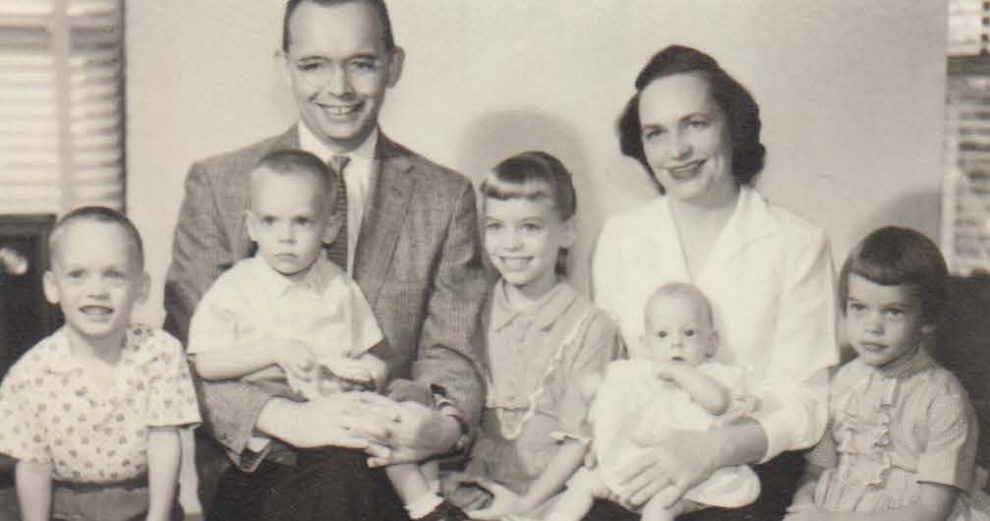
 Our son, Todd, is getting married next month. Reactions of friends are all over the map, but generally speaking, most people respond positively to his announcement. Independent of poll results, Todd is getting married for the best reasons I know: He chooses Adrienne. She chooses him. He wants to give his life to her. They trust each other and choose to build a family together.
 Reaction to our daughter’s wedding announcement was often less positive. For example, when I called my aunt to tell her that Whitney was engaged and to invite her to the festivities, she immediately censured me and told me that I had to put a halt to the wedding plans, that I must tell Whit that she was making a terrible mistake—She hadn’t even finished college yet! I explained to my aunt that I felt that Whitney, as a woman, was capable of making up her own mind and that I supported her in the decision.
 My Central Asian friends are more open to the culture of marriage. The notes of congratulations I’ve received from Central Asia are full of warm wishes for Todd and Adrienne and of prayers for happiness and lots of children. Upon greeting others, it is culturally important to my friends from the region to establish a rapport, which is done in many ways, including the asking of personal questions. One way to set at ease all conversational partners is to ask questions about family and marital status, which is considered conversationally neutral if everyone in the discussion is of the same gender. Once, a scholar from Central Asia was thoroughly enjoying a deep discussion with a student of Central Asian languages at a major university, when the scholar asked the student, “Are you married?” The student was incensed, abruptly ended the visit, and walked away. Describing the situation later, the student exclaimed, “I was so offended by the question. Why would they ask that? It was so rude! The conversation was just… over.” Not exactly conversationally neutral in modern Western culture. Conversationally speaking, the American student considered the question to be a threat. How did we get so prickly about marriage?
 For years, marriage has been associated with strong commitments and strong emotions. Ellis Peters illustrates the clear difference between a mere marriage of culture and a marriage for love, in her novel, The Leper of Saint Giles. I love the series of Medieval murder mysteries solved by a Benedictine monk named Brother Cadfael, but this one in particular is one of my favorite books. Peters skillfully uses a pitiable person to teach of commitment to family, to illustrate how marital vows and family bonds extend beyond personal desires and individual preferences to include mutual choice.
 I think that our modern culture’s resistance to marriage is rooted in a cultural resistance to choose commitment. Why open oneself unnecessarily to getting burned? Over the years, Kim and I have deliberately engineered deep discussions with our kids to educate them regarding commitment. As Mormons, we have worked hard to defend ourselves against resistance to commitment by teaching our family to have faith that marriage can extend beyond death, that families can be forever, and that there are solid and fun reasons to continue to work together even when times are tough.






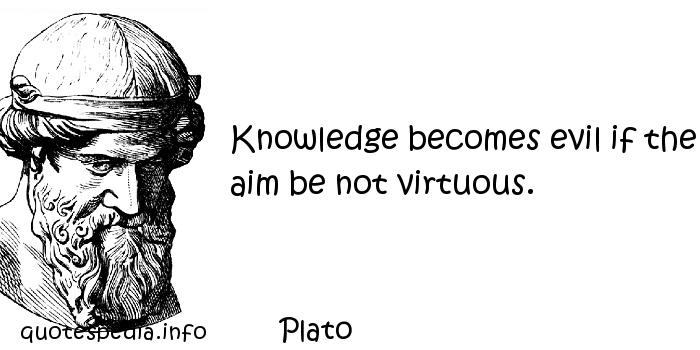




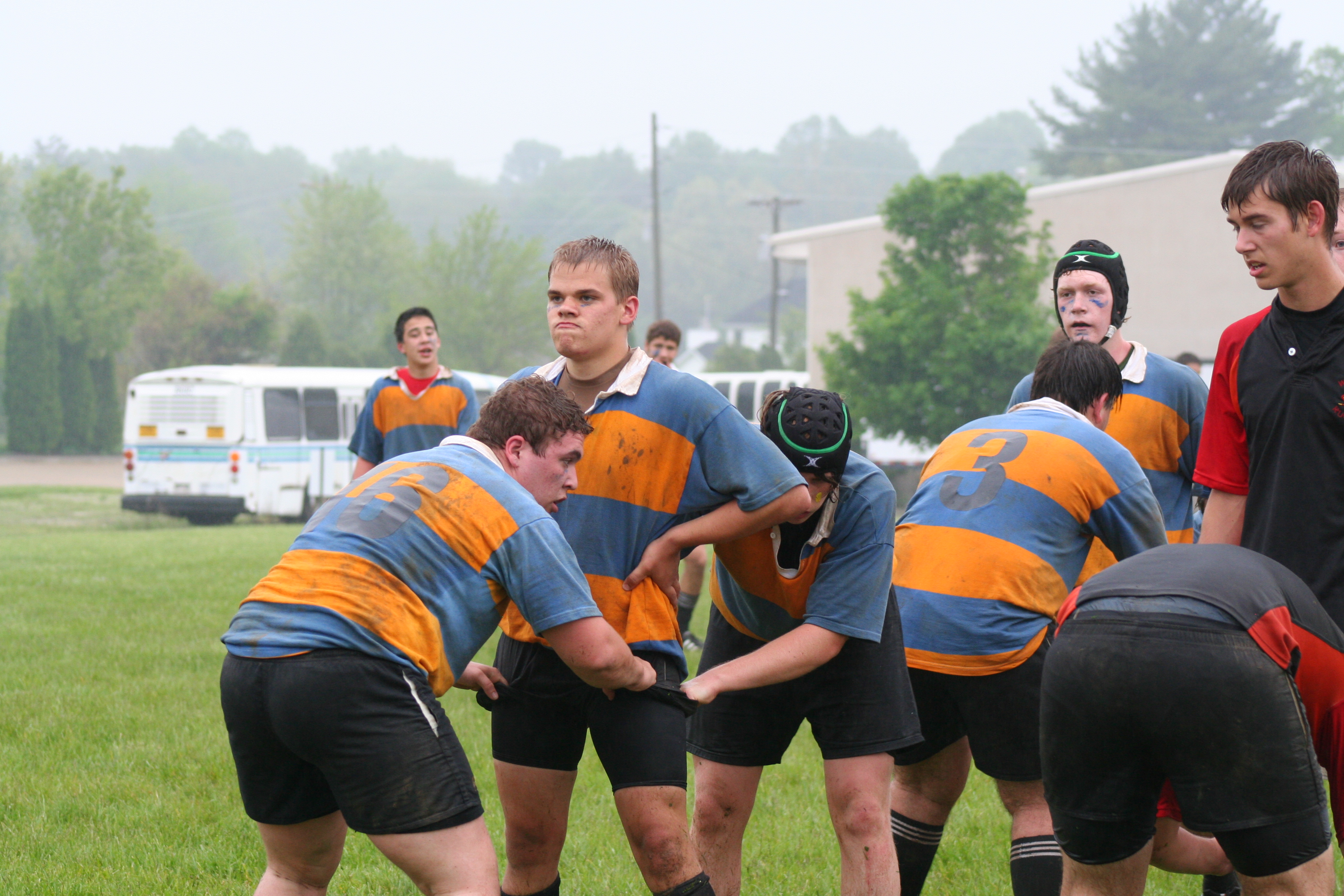




















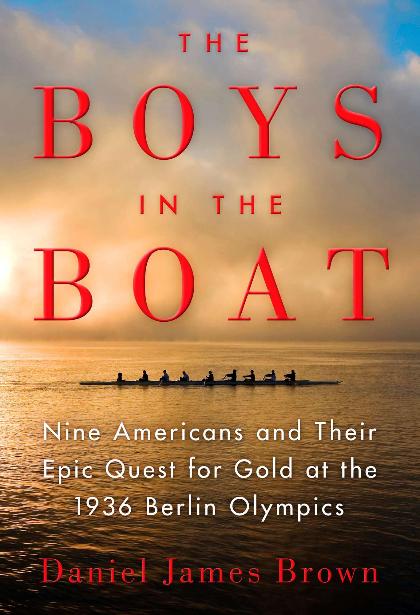









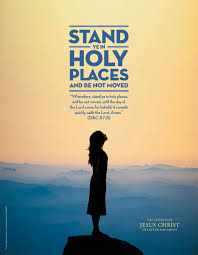







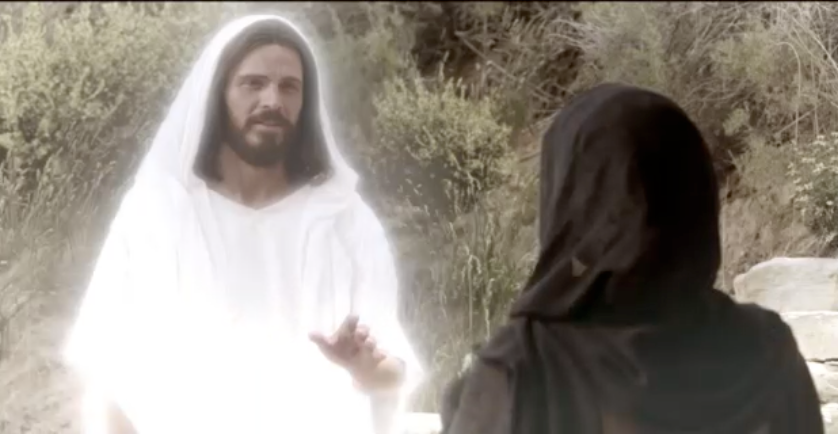
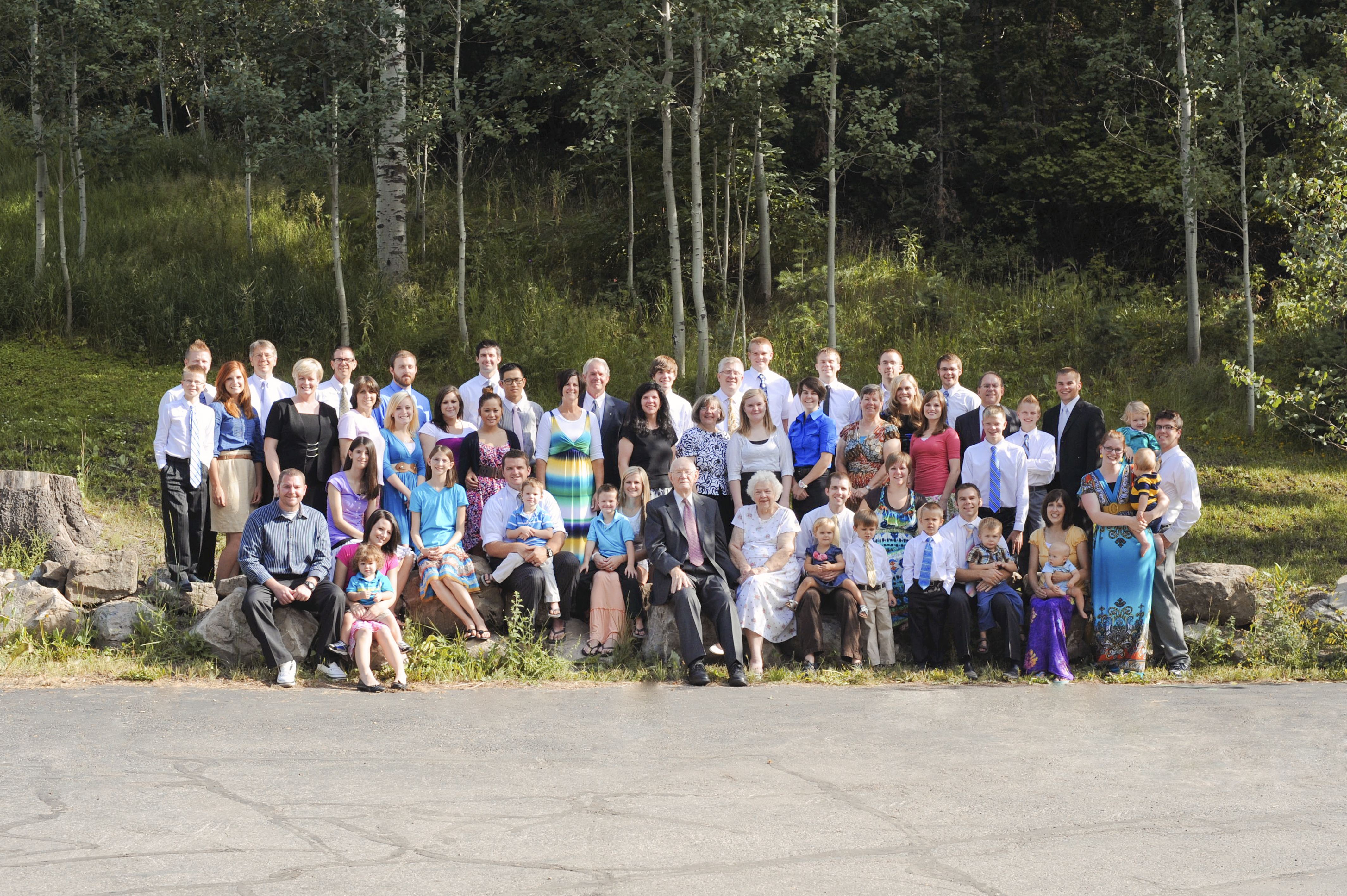

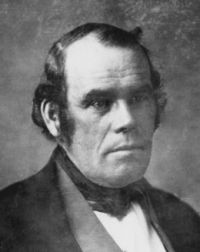
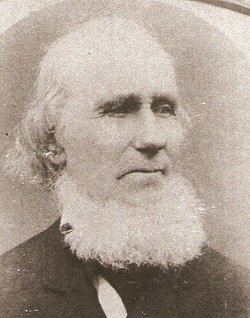


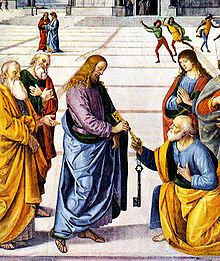
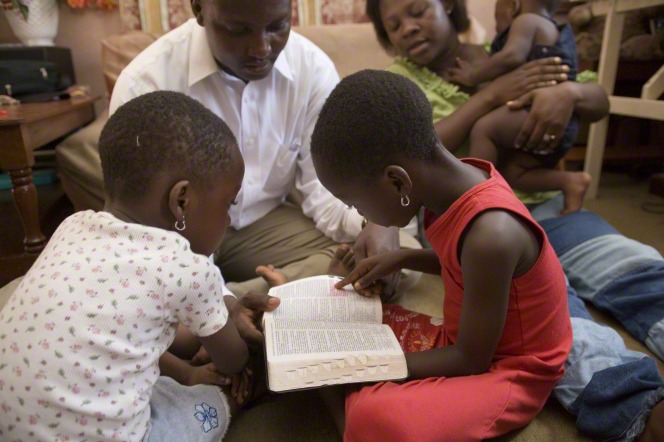


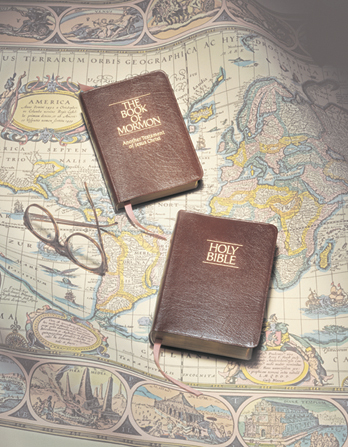





 Todd
Todd Dave
Dave Brendan Sweeny
 MormonPanorama
 Brian
Brian Brittany
 Mike
Mike Kim
Kim Kevin
Kevin Whit
Whit MormonPanorama