What do you do in your family to develop strong young adults? Here’s what works for us…
“Great Wave Off Kanagawa”, Hokusai (1829-32)
There is a tide in the affairs of men, Which, taken at the flood, leads on to fortune; Omitted, all the voyage of their life
Is bound in shallows and in miseries.
On such a full sea are we now afloat;
And we must take the current when it serves,
Or lose our ventures.
–William Shakespeare (Marcus Brutus in Julius Caesar, Act IV, Scene 3, lines 217-223.)
One of the first things a little child learns in swimming lessons is the importance of the wall on the side. When kids swim out into the pool, whenever they flounder, they can always come back to the safety and security of the wall.
Learning The Importance Of The Wall On The Side
No matter where they go or how scary the open water gets, the wall never moves. The wall is always there. Gospel standards, the words of the prophets, the commandments of Christ: All provide my family with the safety and constancy of the wall in the water of the pool. These standards give us the confidence that we can manage things just fine, even when we get in over our heads and the water runs deep.
“…the envy and wrath of man have been my common lot all the days of my life; … deep water is what I am wont to swim in.”
–Joseph Smith
As my kids grew up, I knew that the unquestioning faith they had as children would be replaced by all the important questions of youth. As parents, Kim and I encouraged lots of intellectual exploring by reading widely, continually discussing and debating with our children. It helped that she and I are usually at opposite ends of any spectrum of opinion, so the kids grew up knowing the importance of disagreeing agreeably and of digging out answers that satisfied their individual concerns. But we united as parents as far as eternal truths are concerned, and it was important that our kids have confidence that they could get solid answers. They could get solid opinions from Mom and me, and they could get solid answers directly from God. It was especially important that they do so when it came to matters of faith, whether to live righteously, to keep commandments, to stay morally clean, or to follow the weightier matters of the law. When they were teenagers, we’d spend hours studying to master scriptures and to wrestle for gospel answers, making a game of it whenever possible. Bribing with Skittles candy made it fun — It was a game only when the kids felt it was fun. Tackle scripture chase, anyone?
In the process, our children learned not only to stand on their own but to fight for what they know is right. Generally speaking, they’ve made decisions worthy of any adult, even when they were teenagers. They continue to choose to keep their feet firmly planted on the strait and narrow path, teaching their families to do so as well.
What deep discussions have achieved really is pretty dang incredible – thoughtful gospel education has helped the young adults in our family to feel the right things. It allows them to take time out of their busy schedules, to rebuke the winds of change and to calm the sea of life. It gives them experience with spiritual feelings. It gives them experience with standing on their own.
“And he was in the hinder part of the ship, asleep on a pillow: and they awake him, and say unto him, Master, carest thou not that we perish?
“And he arose, and rebuked the wind, and said unto the sea, Peace, be still. And the wind ceased, and there was a great calm.”
Family Garden
The opportunity to experience and experiment with spiritual feelings is essential to my kids, both as teenagers and now as adults with families of their own, as they come to know Christ and to learn the variety of ways by which He interacts with each of us. This training of their spirit with eternal communication processes is enhanced as they have consistent experience repeatedly hearing the words of the Prophets.
“But unto him that keepeth my commandments I will give the mysteries of my kingdom, and the same shall be in him a well of living water, springing up unto everlasting life.”
I have learned for myself that these things not only bring me joy. They bring me safety and security.
Building Strong Young Adults
“And he shall spread forth his hands in the midst of them, as he that swimmeth spreadeth forth his hands to swim: and he shall bring down their pride together with the spoils of their hands.”
.
.
Elder Bednar on answers to every question and challenge: “Acting in accordance with the teachings of the Savior invites spiritual power into our lives—power to hear and heed, power to discern, and power to persevere. Devoted discipleship is the best and only answer to every question and challenge.” -David A. Bednar, Ensign, March 2014
The secret of strong young adults for our family? Start ’em young. Keep sharing with them what’s really important to you when they’re old. Works for us…
Still Sharing And Finding Safety And Security In The Wall
——– End of Post ——–
Bonus Material:
1. A Change in Course: Watch the Hopf Family story. (Length: 4:06.)
2. An Incredible Meeting, an Answered Prayer: Watch François Verny’s Story. (Length: 4:03)
Raising Strong, Studly Adults Who Contribute To Society
——– End of Bonus Material ——–
WebCredits—List of web resources used in this post but not explicitly credited above:
Ukiyo-e Woodblock Print, “Great Wave Off Kanagawa”, Hokusai (1829-32)—en.wikipedia. org/wiki/File:Great_Wave_off_Kanagawa2.jpg, with further info at en.wikipedia. org/wiki/The_Great_Wave_off_Kanagawa
Photo, “Learning The Importance Of The Wall On The Side”—www. eagerbeaverswimschool.com/
Photo, “Start ‘Em Young To Have Confidence In The Wall”—www. examiner.com/article/study-swimming-lessons-appear-to-have-a-protective-effect-against-drowning-for-tots
The plane is incredibly crowded for a late evening flight. My seat is on the second to last row and I have the isle seat. Not my first choice, but I don’t mind so much, the guy by the window is taking his first trip via airplane! He’ll enjoy that seat more than I would. He has short hair and a scruffy beard and he’s probably somewhere close to my age. He talks a lot! I don’t mind that either, I like to meet new people and learn their stories. It’s February and this guy’s wearing plaid shorts and a t-shirt. Being from Canada, he’s prepared for his first trip to Florida! The more he talks the more I like him, he reminds me of my big brother Mike.
A teenage boy settles into the middle seat. This kid graduated from high school last summer and has spent this winter snowboarding! I didn’t catch where he is from, but he likes snowboarding and guns. He’s planning to go to welding school in the fall. He’d like to custom build a snowboard park!
The flight attendants prepare for take-off and my friend by the window excuses himself from the conversation so he can watch the city lights disappear beneath us! I don’t blame him, it’s pretty spectacular to watch.
As our flight progresses, the three of us get to know each other a bit. We laugh, and share stories of home and places we’ve been. We are, perhaps, a little loud for such close quarters, but in a jovial way!
Throughout our conversation, my Canadian friend frequently mentions God and scripture. He shares with us three of his favorite scriptures from the Bible and the reasons he loves them so much. He repeatedly uses the phrase, “When I meet My Maker”
“When I meet My Maker, I want to be able to tell Him I’ve done something good with my life.”
“When I meet My Maker, I want to tell Him that I spent my life helping people for Him.”
“When I meet My Maker, I want to feel good about what I can tell him I did with my life.”
My friend explained that this coming Autumn he is going to Bible School in Chicago to become a Youth Minister. He believes that working with children and teenagers will be the most rewarding career for him personally and one he feels would glorify our Heavenly Father.
As I listen, the Holy Spirit brings to my mind The Parable of the Talents. I recently studied this Parable in my personal scripture study. My friend was sharing it with me in real time!
We are, each of us, given different talents, skills, abilities, assignments, and roles. We are blessed with these gifts to better the world around us, that we might bring glory to our Father in Heaven, who created All.
My Canadian friend is seeking ways to sharpen his gifts, to learn, and grow that he may better serve others. He has this desire, not to be seen of men, but so that “when [he] meets [Our] Maker” he can report that he has increased the talents with which he was blessed and he is prepared to return them (and the glory) to Whom they rightfully belong.
As my new friend shares his conviction, I can feel Our Maker’s love for him in my heart. I feel inspiration and encouragement because of this man’s faith. I feel love for a stranger to myself, but not a stranger to God.
In this moment, on an airplane to Florida, My Maker is teaching me of the very great love He has for All His Children. My Maker is teaching me that we are intentionally not created the same, and intentionally not provided the same gifts, and intentionally not given the same assignments and roles in order that God’s purposes may be accomplished.
Thank you, my friend, for helping me to see Our Maker’s plan a little more clearly. And thank you, for sharing with me your faith and your desire to honor and glorify God with your whole heart.
As a Mormon, to me it means accepting an assignment from church leaders to serve others. I know my leaders have pondered and discussed and prayed before asking me to serve. After saying Yes, I have the responsibility to kneel and to find out for myself that such a calling is from God. Because I belong to The Church of Jesus Christ of Latter-day Saints, I want to magnify my calling.
Magnifying my calling is less concerned with what I do as I serve others and more concerned with how or why I serve others.
Conducting Music At Church
For example, I had a friend in college who moved into our congregation and immediately accepted a calling to lead the music in church each Sunday. Kathy was a recent convert to the Church of Jesus Christ, and she felt the calling was inspired of God. She gathered her roommates around her, told them of the new calling, and explained that she was terrified, as she had no musical experience whatsoever. They rallied around her, practiced singing and leading hymns in their living room over and over and over, for weeks on end, until she was comfortable directing the congregational music on her own.
I remember that first Sunday when Kathy stood before the congregation. Her fear was clear in every movement. With her hands, she deftly directed a perfect 3/4 meter in a little tiny triangular pattern, moving her hands about four inches from top of pattern to bottom. Her roommates ran up to her afterwards and all gave her a big hug. Weeks later, in our next testimony meeting, Kathy bore witness to how she had grown by accepting this calling and how she felt it was inspired of God. Then, the member of the bishopric who had issued the calling to her stood to explain that congregation leaders had been misinformed about her musical experience, were surprised to discover otherwise, and were pleased by Kathy’s willingness to serve in any capacity and by her roommates’ willingness to assist. As Kathy’s musical confidence grew over the next few months, the pattern of her musical direction grew to a more normal size. During those months, I remember seeing some of her roommates with tears streaming down their smiling faces as they watched Kathy’s trembling hands. We all watched as Kathy’s face smiled more and as her countenance glowed more each week as she stood before us. This calling had little to do with the knowledge of man and much to do with the knowledge of God. Kathy’s willingness to submit and to say Yes, to take initiative to educate herself, to learn new skills outside of her comfort zone, inspired us all.
Again, callings are less concerned with what we do as we serve others and more concerned with how or why we serve others. Kathy is proof. I’m glad there are so many Kathy’s in the world.
Having Learned For Ourselves, We’re Responsible To Help Others Know
——– End of Post ——–
Bonus Material:
1. Watch, listen, or read Elder Dallin H. Oaks as he speaks to the general membership of the Church as one of the twelve apostles of the Lord Jesus Christ in his address, entitled “Why Do We Serve?” (Length: 19:47.)
2. Watch, listen, or read the address of Elder M. Russell Ballard on showing our love and appreciation for the Savior’s atoning sacrifice through our simple, compassionate acts of service, entitled “Finding Joy through Loving Service.” (Length: 15:03.)
3. Watch, listen, or read Elder Derek A. Cuthbert in his beloved address, entitled “The Spirituality of Service.” (Length: 9:35.) It was a landmark address, quoted for years afterwards, particularly: “Over the years, many people, especially youth, have asked me, ‘Elder Cuthbert, how can I become more spiritual?’ My reply has always been the same: ‘You need to give more service.’ ”
4. Watch, listen, or read the wonderfully inspired words of President Barbara B. Smith, entitled “She Stretcheth Out Her Hand to the Poor.” (Length: 9:54.)
5. Watch, listen, or read President Thomas S. Monson as he describes, “The Service That Counts.” (Length: 22:26.)
6. Watch, listen, or read the address of Elder Dallin H. Oaks on how our Savior teaches us to follow Him by making the sacrifices necessary to lose ourselves in unselfish service to others, entitled “Unselfish Service.” (Length: 17:19.)
——– End of Bonus Material ——–
WebCredits—List of web resources used in this post but not explicitly credited above:
Photo, “We’re Responsible To Know For Ourselves”—www. lds.org/media-library/images/prayer?lang=eng
Photo, “Conducting Music At Church”—www. lds.org/media-library/images/music?lang=eng
Photo, “Having Learned For Ourselves, We’re Responsible To Help Others Know”—www. lds.org/media-library/images/education/spiritual?lang=eng
Photo, “Studying To Learn”—www. lds.org/media-library/images/education/miscellaneous?lang=eng
Quick: What do you think of when you hear this word? “Ordinances.”
Okay, that may be a bit strange. Try this one: “Covenants.”
What went through your mind? Good? Bad? Ugly? Modest? Fight? Commitment?
Sometimes (often?) I feel a need to fight against expectations. At times those expectations are of good behaviors, at other times of bad. In the movie “Frozen”, the character Elsa seemed to feel much the same way:
Not everyone appreciates her the way I do, but I love the way Idina Menzel sings. To me, the good in this song is inspiring. But not the bad. In the song, good and bad are juxtaposed, in opposition to each other, just as they are in life. And as in life, I thank Heaven for the bad. By Celestial design, the bad helps me to recognize, appreciate, and embrace the good. Some of the lyrics:
I don’t care what they’re going to say.
Let the storm rage on.
Cold never bothered me anyway. (All good.)
⁞
…the fears that once controlled me, can’t get to me at all. (good)
It’s time to see what I can do, to test the limits and break through. (good)
No right, no wrong, no rules for me. (bad) I’m free. (good)
⁞
Let it go, let it go. (good) That perfect girl is gone. (bad)
Good, bad. Bad, good. What the heck does it matter? Well, according to the prophet Isaiah, it matters a lot:
Woe unto them that call evil good, and good evil; that put darkness for light, and light for darkness…
“The emphasis on truth as the way things really are suggests that it contrasts with the way things seem to be, no matter how convincing that deception may be. One such truth is the reality of evil. As Isaiah pointed out, at the heart of moral relativism is an inability or unwillingness to recognize evil.”
—Daniel L. Belnap
Dave, what does this good-evil stuff have to do with ordinances? I thought you’d never ask. Ordinances in any faith community help us to shun evil, to choose the right, to commit to be good. It draws a line in the snow. It draws a line in the sand, in the dirt, on the concrete. A bar/bat mitzvah means “son/daughter who is subject to the commandment, to the law of God”. The first pillar of Islam is kalima shahadah, meaning to promise/testify/witness my word to God. Christian baptism is a covenant with God to repent, to be clean before Him, to accept Christ’s invitation when he said, “Come, follow me.” Ordinances and covenants are a two-way promise: We promise to follow God; he promises us certain blessings.
One thing I really, really love about being a Mormon is that my faith is full of ordinances. At eight years old, I was baptized. At twelve, I was ordained to the priesthood. At twenty-four, my wife and I were sealed for time and all eternity. Then our family gets to go to the temple together and do it all for others. Over and over. Each time, each ordinance, is a line in the snow/sand/whatever. Each is an additional level of commitment and reverence to God. Throughout life, we all make decisions. Ordinances help. They help us choose the right. They help us witness to God and to others that we will choose good over evil.
So, do what Elsa did. Do what you think is right. Be brave, and do it your way. Stay modest. Thumb your nose at a world that wants you to take your clothes off, and keep them on. Instead, yank off the gloves, and pull no punches. Stretch your powers as far as they can possibly go, and then stretch them a bit more. Say what is on your mind and in your heart.
FIGHT. Commit. Draw lines with ideas. Fight the good fight. Fight the good fight of faith.
I don’t care what they’re going to say.
Let the storm rage on — Good never bothered me anyway.
Elsa Ready To Fight, Gloves Off
——– End of Post ——–
Bonus Material:
1. Just like Elsa has powers she must learn about and learn to control, so do we. Listen or read Elder Ronald A. Rasband’s address regarding ways to tutor ourselves in having our hearts knit together in unity and in love one towards another, entitled, “Building Spiritual Power in Priesthood Quorums”. (Length of audio: 16:18.)
2. Listen or read how God’s covenant with Abraham blesses us all. (Length of audio: 12:36.)
3. Read more about moral absolutes contrasted with moral relativism in an address by Dallin H. Oaks, “Religious Values and Public Policy“, Ensign, Oct 1992.
——– End of Bonus Material ——–
WebCredits—List of web resources used in this post but not explicitly credited above:
Illustration, “Else Ready To Fight, Gloves Off,” www. moviefanatic.com/gallery/frozen-elsa-idina-menzel/
In a class that I’m taking at school, I’m learning about the history of creativity. It’s a really interesting class and I love learning about the things people did in Medieval times, the Renaissance, and the Baroque Era. While we were studying the Renaissance, we learned about Albrecht Dürer and his painting “Praying Hands”. I had seen this painting before, and I’ve always appreciated it. But after learning the story behind the painting, it has become one of my favorites and truly inspires me.
Dürer came from a large family, and he and his brother, Albert, both wanted to become artists. The family did not have enough money to send both to school to learn art, so they made a pact in which one would support the other while he was in school and then, when the other was finished and famous, they would switch. Albrecht won the coin toss, so Albert was to stay and work in the mines to support him.
Albrecht found success very quickly and excelled in his schooling. He began to earn good money for his work. After finishing his schooling, he returned home to give his brother the opportunity to go on to art school. But when he told Albert the news, he began to cry and said, “No, I can’t.” He held up his hands which had been bruised and battered from working in the mines, so much that he could barely hold his mining tools, not to mention the tools of an artist. Albert had sacrificed his opportunity by supporting his brother. Albrecht was deeply moved and then immortalized the hands of his brother in his painting, “Praying Hands”.
I never thought I would get emotional while reading a textbook, but this story hit me hard. I was touched by the love that these two brothers showed each others. I immediately thought of my siblings and all the things they have done for me. They’ve all made sacrifices, big and small, for me to get me to where I am now. I am reminded of the third verse in the hymn “Lord, I Would Follow Thee”.
I would be my brother’s keeper,
I would learn the healer’s art,
To the wouned and the weary,
I would show a gentle heart.
I would be my brother’s keeper,
Lord, I would follow thee.
My siblings have been their brother’s keeper to me. Here are a variety of stories of some sacrifices made for me and lessons taught to me: Mike took me out for lunch and a movie one day for fun when my school lost power. Brian was not being too cool to let me come to play Risk with his friends late at night. Whitney set me straight telling me to treat our Father with more respect. Kyle took time away from his wife to come down and watch the National Championship rugby game with me. Todd was willing to help me with a practical joke as I would drive with a blindfold over my eyes (I could see through it, don’t worry, Mom!) and he would pretend to direct me as onlookers freaked out. These are just a few of the special memories and times I’ve had with my siblings. It may seem small, but their examples and friendship have helped shape me.
I pray that I, too, may be my brother’s keeper. I may not be near a lot of my family at this time, but there are plenty of others who surround me. We are all brothers and sisters in God’s family. I hope that I may emulate the love the Dürer brothers had and that I may make sacrifices for those nearby, to lift them up, to lend them a helping hand, and to bring them joy.
–
–
Much of the story of Dürer comes from the textbook, “History of Creativity” by Brent Strong and Mark Davis.
This is a photo-essay, a collection of images with a theme. A long post, but with reason. Just a gallery of pictures and paintings. Images of light. People and places around the globe, many of them in a religious light. All of them to me are spiritual. Source credits included. There are 64, and we hope you enjoy them. Click on an image to make it bigger!
“Spruce Forest” («Еловый лес» or “Yeloviy Lyes”) (1892),
Ivan Shishkin, Tretyakov Gallery, Moscow.
[Credit: From print in Shishkin book in private collection.]
· —- oOo —- ·
The Sheikh Zayed Grand Mosque in Abu Dhabi, UAE (United Arab Emirates) is seen as a construction to ‘unite the world’, using artisans and materials from countries such as Italy, Germany, Moracco, India, Turkey, Iran, China, Greece, and the UAE. [Credit: http://www.canvas-of-light.com/2011/03/photo-essay-sheikh-zayed-mosque-uae/]
· —- oOo —- ·
In the ablution room of the Sheikh Zayed Grand Mosque in Abu Dhabi, UAE (United Arab Emirates), worshippers clean themselves in order to be in a state of purity before praying. It is decorated with marble tiles and a large fountain in the middle of the room.
[Credit: http://www.canvas-of-light.com/2011/03/photo-essay-sheikh-zayed-mosque-uae/]
· —- oOo —- ·
The main prayer hall in the Sheikh Zayed Grand Mosque in Abu Dhabi, UAE (United Arab Emirates), features the world’s second largest chandelier (the largest one being in Doha, Qatar) hanging directly below the largest dome. It is ten meters in diameter, fifteen meters in height, and weighs nine tons.
[Credit: http://www.canvas-of-light.com/2011/03/photo-essay-sheikh-zayed-mosque-uae/]
· —- oOo —- ·
Natural materials were chosen for the design and construction of the Mosque due to their long-lasting qualities, including marble, stone, gold, semi-precious stones, crystals and ceramics. Again, in the Sheikh Zayed Grand Mosque in Abu Dhabi, UAE (United Arab Emirates).
[Credit: http://www.canvas-of-light.com/2011/03/photo-essay-sheikh-zayed-mosque-uae/]
· —- oOo —- ·
Zenkoji Temple, Nagano, Japan. Zenkoji is a place for prayer, light, and enlightenment.
Although it is a Buddhist temple, all are welcome,
regardless of gender, creed or religious belief.
[Credit: http://smba2010.blogspot.com/2010/05/saturday-may-22-2010.html]
· ————- oOo ————- ·
Hope you enjoyed this view through our lens and the lens of many talented folks.
A brief and wonderful view of the world.
And what a wonderful worldview!
Ever wish you could erase a mistake and start anew? I make mistakes all the time. Even after my baptism at eight years old, when I promised always to choose the right, I found I still made mistakes. Like when I lied.
Big Spider In Garden
Yes, I know. Rare raw-force exceptions aside, in general, nothing can make you do anything without your consent. So the spider didn’t make me lie. I lied and blamed the spider. You see, my blood freezes when I see spiders. I talked to my mom about it when I was a teenager, and she said that it was probably because I always saw her screaming and running from the room whenever she saw one. Hmmm, tempting—Blame the parent. Regardless of why my blood freezes, it was indeed why I decided only to pick ten strawberries and call the job done. My family assignment that day when I was nine years old was to pick a couple of pints of berries. Not hard, since we lived on a 23-acre farm in Missouri, where anything grows and grows big in the fertile Missouri mud, and where, right between the barn and the row of peach trees, we had a large strawberry patch of about an acre. Not hard at all, since there were strawberries all summer long, year after year.
Large Strawberry Patch
I had picked ten berries when I saw the spider. As usual, I froze. Why is it I can’t take my eyes off a spider whenever I see one? After about twenty minutes of spider-watching-Dave and Dave-watching-spider, neither of us trusting the other much, I re-entered the farmhouse, gave my mom the ten berries, and that’s when it happened. I lied. I explained that I couldn’t find any more berries. That seemed to work…until Dad got home. By then, it was storming outside, thick Missouri rain, and Dad clearly anticipated berries with whatever we had for dinner. I didn’t see him home until he returned to the house, soaked to the skin, with about three pints of berries in his hands. Oh, and he was screaming. “No strawberries? Does this look to you like no strawberries?” (Translation: “You idiot! Why couldn’t you find these in the sun, and why did I have to find them in the rain???”) I burst into tears, told him about the big spider, how it scared the heck out of me, and I just couldn’t go any further into the patch. What if I had found more spiders?!? I must really have sounded terrified, which I was, both of Dad and of the spider on his strawberry throne, because Dad stopped what he was doing, and gave me a big hug. He was probably thinking, “You’re nine, and you’re still scared of spiders?”, but he hugged me all the same. Maybe it was because I was sobbing so hard. Or maybe it was the raw fear with which I was eyeing the three pints of berries.
I did eventually stop sobbing and grow up. When I was twelve and on one of my first overnight campouts, my brother stuck a garter snake in my face, and I said how cute it looked and asked to hold it. Since it failed to scare me, my brother was so mad that he refused to let me have the snake. I had to find my own slithering friend.
But this isn’t a post about berries or spiders or snakes. It’s not specifically about lying. It’s about making mistakes in general. And the clean-up in the aftermath.
Cleaning Maintenance
Since the idea of “Forever Clean” was a bust, due to our propensity for serial sinning, we needed a way to accommodate the “Forever Cleansing” thing described in my previous post. God knew that, and He knows us, so He provided the means to erase the board every week, even when we make mistakes. He gave us the Holy Sacrament (communion, eucharist). By celestial design, the intent of the bread and wine (or for Mormons, the bread and water) is much more than mere symbols of the body and blood of Christ. It reminds us of our promises we made at baptism, to live His ways and always to remember Him. By celestial design, the intent goes way beyond the once-a-week symbols, helping us remember to follow Him in our heart and mind throughout each day wherever we happen to be and not limited to our thoughts in a holy place just on Sundays.
The Sacrament covers cleaning maintenance even when we make mistakes over and over. It’s not just for something I do just once and then decide not to do again, such lying or stealing. If I set myself on a new path of obedience, I can use it each week to stay clean from any kind of sin. I can use it if I get angry with a co-worker, overeat, or become lazy about service to others around me and not serving a friend as I should. Just as did my dad’s hug when I lied, the Sacrament helps me feel good about putting my mistakes behind me. I set aside the world. I enter instead a world bathed in light.
The Holy Sacrament helps me repent and cleanse the past. It helps me to stay clean.
Erasing The Slate; Starting Again With A Clean Slate
——– End of Post ——–
Bonus Material:
1. Watch, listen, or read Elder L. Tom Perry’s address discussing how partaking of the sacrament provides us with a sacred moment in a holy place, entitled, “As Now We Take the Sacrament”. (Length: 16:45.)
2. Watch, listen, or read the address of Elder Dallin H. Oaks on how the ordinance of the sacrament makes the sacrament meeting the most sacred and important meeting in the Church, entitled, “Sacrament Meeting and the Sacrament”. (Length: 16:17.)
——– End of Bonus Material ——–
WebCredits—List of web resources used in this post but not explicitly credited above:
Photo, “Big Spider In Garden”—www. donrelyea.com/blog/tag/spider/sermonview.com/cart/product_info.php?products_id=5321
Photo, “Erasing The Slate; Starting Again With A Clean Slate”—lifeatthirtysomething.com/2014/01/a-new-year-a-clean-slate-operation-lose-the-baby-weight-find-my-brain-etc-begins-now/
Photo, “Making Ablution With Friends”, photo by: Masood Bhat/Kashmir Headlines—kashmirheadlines.in/kashheadlines/11222013-ND-getting-ready-for-prayersa-group-of-people-making-ablution-to-perform-prayers-in-historic-jamia-masjid-srinagar-photo-by-masood-bhat-kashmir-headlines-3452.aspx
Seminary Teacher Laughs With His Class Of High School Students
Growing up as a Latter-day Saint youth, I had lots of infrastructure to help me stay clean. Much of that had to do with learning to receive help from the spiritof God, learning to receive the Holy Ghost. From 9th to 12th Grade, I had lots of friends through opportunities in education that I found in Seminary, a before-school Bible study class where they encourage lots of questioning and lots of peppered discussions. It was high school, and we were feeling our way in life. While others around us complained, whenever life’s worries got us down, we found friends, hugs, empathy, shared tears, and hearts that listened. All this infrastructure was strengthened by lessons we taught ourselves on our own initiative by learning to receive the Holy Ghost.
Seminary Student Participates In Class
Not limited to youth, such lessons are ones I continually learn yet again as an adult. In my previous post, I shared an experience with a suicidal friend who had just lost his entire family in an accident, who soon changed and was able to seek on his own the further help that he needed. As I see it, the help that I received and the help that he received was because we were learning to receive the Holy Ghost.
Two Mindsets, Carol S. Dweck, Ph.D., Growth Mindset v. Fixed Mindset
Have you ever felt that your life was in the toilet? I know I have. Might you know someone who has hit rock bottom? I find the WAY OUT when I understand a need to change myself, to see myself as God sees me. That’s called repentance. I submit that the WAY OUT, wherever we find it, is always lit by God. We find it when we learn to receive the Holy Ghost. In psychological or sociological terms, here’s a great graphic, brought to us by Carol S. Dweck, Ph.D. She describes twomindsets, a fixed mindset and a growth mindset. I have learned that I find a WAY OUT when I choose a growth mindset.
Missouri Sunrise Over Ozark Mountain Country
Throughout my life and through my own baptism in Missouri when I was eight years old, I’ve learned that baptism is a covenant, a two-way promise; we promise certain things to God, and He promises certain things to us. We promise to live His ways, to follow and remember Him; remembering brings us to asking Him for help. He promises to send us His Spirit if we remember Him. Baptism has two essential parts: By water and by fire (by the Spirit).
But why baptize? Why on earth should God teach us to be baptized? Joseph Smith taught: “You might as well baptize a bag of sand as a man, if not done in view of the remission of sins and getting of the Holy Ghost. Baptism by water is but half a baptism, and is good for nothing without the other half—that is, the baptism of the Holy Ghost.” (Teachings of the Prophet Joseph Smith, Page 314.) David Bednar explains the tools of the Holy Spirit, how He works: “The influence of the Holy Ghost is described in the scriptures as ‘a stillsmall voice’ and a ‘voice of perfect mildness’.”
My conclusion: “Forever clean” doesn’t exist. Along the way, I make lots of mistakes. We all do. The good news is that “Forever cleansing” is alive and well. The Holy Ghost helps us get back on track. By celestial design, that’s His job. I’ll be forever glad that He does it well.
Cleansing Hands
——– End of Post ——–
Bonus Material:
Watch, listen, or read Elder David A. Bednar’s entire address regarding overcoming both sin and the desire to sin, both the taint and the tyranny of sin, entitled, “Clean Hands and a Pure Heart”. (Length: 14:33.)
——– End of Bonus Material ——–
WebCredits—List of web resources used in this post but not explicitly credited above:
Photo, “Seminary Teacher Laughs With His Class Of High School Students”—www. lds.org/church/news/parents-can-now-register-students-for-seminary-online?cid=HPTH012314379&im=true&lang=eng
Photo, “Seminary Student Participates In Class”—www. lds.org/church/news/parents-can-now-register-students-for-seminary-online?cid=HPTH012314379&im=true&lang=eng
Illustration, “Two Mindsets, Carol S. Dweck, Ph.D., Growth Mindset v. Fixed Mindset”—alumni.stanford.edu/content/magazine/artfiles/dweck_2007_2.pdf, from web article—alumni.stanford.edu/get/page/magazine/article/?article_id=32124
Photo, “Missouri Sunrise Over Ozark Mountain Country”—thepanoramapoint.wordpress.com/category/missouri/
(Please forgive the long post. It’s for a good reason: a local interfaith/multifaith group invited me to speak at an annual ecumenical event for interwoven faiths as part of Week Of Prayer For Christian Unity. For twenty minutes. It was my pleasure to say Yes. Here’ s the result, if you wish to read it. Enjoy!)
Christian Crosses At A Joint Service For The Week Of Prayer For Christian Unity
I’ve attended many ecumenical meetings, but this is the first time I’ve ever spoken at one. As part of my faith tradition as a Mormon, I’m used to closing sacred remarks “in the name of Jesus Christ.” Will it be OK if I do so this evening at the end? (Response: Unanimous and general Yes.)
We are always teaching. What shall we teach? With the 2014 theme of this event being “Has Christ Been Divided?” and the scripture reference of 1 Corinthians Chapter 1: verses 1 through 17, I’d like to quote verses 4 through 7:
4. I thank my God always on your behalf, for the grace of God which is given you by Jesus Christ;
5. That in every thing ye are enriched by him, in all utterance, and in all knowledge;
6. Even as the testimony of Christ was confirmed in you:
7. So that ye come behind in no gift; waiting for the coming of our Lord Jesus Christ.
Jewish Quarter, Old City, Jerusalem
This past week, Rabbi Jeremy Schneider, the spiritual leader of Temple Kol Ami in Scottsdale, Arizona, and vice president of the Greater Phoenix Board of Rabbis, toured the Mormon Temple in the nearby city of Gilbert during an open house for the new building. In the recent edition of Jewish News, he teaches us:
In last week’s Torah portion, we read about Moses learning a valuable lesson from his father-in-law, Jethro. Jethro tells Moses to appoint judges who will handle the burden of judging the people from morning until night, taking only the most difficult cases for himself. Jewish sages note that Moses learns this valuable lesson from his non-Israelite father-in-law Jethro, a Midianite.
Our tradition asks the question based on this interaction: “Who is wise?” The answer, “One who learns from ALL people” (Pirkei Avot, Chapter 4: Mishna 1).
We are always teaching. What do we teach? What do we teach about God? As part of this Week of Prayer for Christian Unity, I have thought of my own powerful moments of communion with God. When I was a child and walked in to see my parents at prayer, I remember the whoosh of feelings of safety and security but mostly of sacredness.
Cairo, Home Interior
My favorite memory of the power of a prayerful life is one at work. I knocked on a friend’s office door; normally, he responds quickly with, “Come in!”, and I open the door. Sometimes, I’ll hear water running in the office bathroom as he makes ablution, and I know not to knock at the door for a few minutes after he returns to his office. But this day I was distracted and failed to notice that my knock at the door from without brought no invitation voiced from within. Out of habit, I called him by name, adding the customary honorific suffix, and opened the door. I found my elderly friend kneeling lowly on his prayer rug. It was such a holy moment. I felt that I had entered a bubble – a bubble of spirituality – of spirituality established by my friend, as he created a sacred space for prayer. In a familiar whoosh of feeling, I was aware that I had missed the cues of the sounds at the sink. Having cleansed himself without as he focused on cleansing himself within, he was now talking with his Maker, expressing humility without as he voiced humility within. It was just like walking in on my parents at prayer. After prayers were done, we embraced; I apologized for disturbing a sacred moment. “Oh, I don’t mind. I am just doing my duty,” he said. I replied, “It is the duty of us all.”
When I think of my favorite moments of prayer, I will always see in my mind and in my heart an elderly man from Uzbekistan, with shoes removed from off his feet, kneeling submissively on sacred ground in his office, visible to none but to Him who sees all.
I shall be telling this with a sigh Somewhere ages and ages hence: Two roads diverged in a wood, and I,
I took the one less traveled by,
And that has made all the difference.
-Robert Frost
In Robert M. Edsel’s book, The Monuments Men, I recently found this gem:
Children live in a closed world, and young Harry [Ettlinger] assumed life as he knew it had gone on that way forever. He didn’t have any friends who weren’t Jewish, but his parents didn’t either, so that didn’t seem unusual. [In 1930’s Germany, he] saw non-Jews at school and in the parks, and he liked them, but buried deep within those interactions was the knowledge that, for some reason, he was an outsider. He had no idea that the world was entering an economic depression, or that hard times bring recriminations and blame. Privately, Harry’s parents worried not just about the economy, but about the rising tide of nationalism and anti-Semitism. Harry noticed only that perhaps the line between himself and the larger world of [his town of] Karlsruhe was becoming easier to see and harder to cross.
⁞
In September [1938], twelve-year-old Harry and his two brothers took the train seventeen miles to Bruchsal to visit their grandparents for the last time… Opa Oppenheimer[, Harry’s grandpa,] showed them, one last time, a few select pieces from his collection of prints… His art collection contained almost two thousand prints, primarily ex libris bookplates and works by minor German Impressionists working in the late 1890s and early 1900s. One of the best was a print, made by a local artist, of the self-portrait by Rembrandt that hung in the Karlsruhe museum. The painting was a jewel of the museum’s collection… Harry had never seen it, despite living four blocks away from it his whole life. In 1933, the museum had barred entry to Jews.
⁞
A week later, on September 24, 1938, Harry Ettlinger celebrated his bar mitzvah in Karlsruhe’s magnificent Kronenstrasse Synagogue… On October 9, 1938, they arrived in New York harbor. Exactly one month later, on November 9, [was] Kristallnacht, the Night of Broken Glass… The Jewish men of Karlsruhe, including Opa Oppenheimer, were rounded up and put in the nearby Dachau internment camp. The magnificent hundred-year-old Kronenstrasse Synagogue…was burned to the ground. Harry Ettlinger was the last boy ever to have his bar mitzvah ceremony in the old synagogue of Karlsruhe.
Three generations of a Jewish family light a menorah during Hanukkah
But this story isn’t about Kronenstrasse Synagogue, the internment camp at Dachau, or even the Holocaust against the Jews… For when Private Harry Ettlinger, U.S. Army, finally returned to Karlsruhe, it wasn’t to search for his lost relatives or the remains of his community; it was to determine the fate of another aspect of his heritage stripped away by the Nazi regime: his grandfather’s beloved art collection. In the process he would discover, buried six hundred feet underground, something he had always known about but never expected to see: the Rembrandt of Karlsruhe. (Ibid, Pages 7-13.)
We are always teaching.
I was asked to share with you this evening the story of my own interfaith journey. I used to think that the work of interweaving faiths was about crossing lines, such as the lines that Harry Ettlinger saw between himself and the larger world of Karlsruhe. After years, I learned that I was wrong. Very wrong. I noticed that focusing on lines encourages designations of WE vs. THEY. So I started thinking instead about circles. Years earlier, when I was about eight years old, in our weekly family home evening, my mom had us memorize the poem Outwitted, by Edwin Markham:
He drew a circle that shut me out—
Heretic, rebel, a thing to flout.
But Love and I had the wit to win:
We drew a circle that took him in!
So I began to move beyond the Here or There of lines, or even the In or Out of circles, and instead tried to focus less on who was In and who was Out and to focus more on expanding my circle to include another. Despite a person’s flaws, for me the challenge became to see the good in them, to see what good I could find to help me be good, to help me be better.
For example, I lived in South America for a couple of years as I served a Mormon mission among the people of Argentina. I had been there just a few months, when I was straightening up the bookshelf in my room, picked up some pamphlets, and saw something flutter to the floor. I stooped to pick it up and found that it was a U.S. stamp. On it was the image of Thomas Jefferson. And I burst into tears. My immediate reaction was, “I’m starting to lose it‼” But then I started to realize why I had burst into tears. This stamp was from my homeland. It had been months since I had seen anything from home. And this was Thomas Jefferson, Founding Father, author of the Declaration of Independence in just seventeen days, who wrote the words, “All men are created equal,” who wrote, “We hold these truths to be sacred and undeniable,” which Ben Franklin changed to, “We hold these truths to be self-evident.” I think that everyone should spend a couple of years after high school in a foreign country; it can deepen one’s feelings of patriotism, even without them knowing it. It certainly did mine.
Gauchos a caballo (1900), Ángel Della Valle (“Gauchos on horseback”)
Then, as I lived among the people of Argentina, I learned to love them. I learned traditional Argentine folk songs from our local Mormon bishop, who played a wicked Latin guitar, and we’d sing with gusto like gauchos around a campfire. I learned the National Anthem and sang it with gusto at every parade and holiday. It surprised everyone around me, but my heart just wanted to join in, and not just sing, but to know the words and why they were meaningful. In spite of the day of the stamp, I began to wonder what I was going to do when I returned home and no longer could buy delicious Mantecol candy bars or drink amargo, a bitter, BITTER soft drink that I had grown to love.
At that point, I discarded the idea of circles in my interwoven faith work. I loved the people of Argentina not because they were all Mormons—They weren’t! I found that my core feelings of being an American remained at my center and indeed were strengthened. I loved extending my circle as far as it could go, only to learn that, really, I could extend it yet a little further. But the circle analogy didn’t seem to work anymore; it just didn’t seem expressive enough for what I felt. I had lived in Argentina for not yet a year, and I realized that I no longer felt like an outsider extending my circle. I was Argentine. I was American. Americans were my people, and Argentines were my people. I had developed a dual citizenship of the heart. Just as I had moved beyond the We/They of lines, I had moved beyond the concept of designating circles. I had learned that what was important for me was to develop feelings down deep. I would be happy in the United States my entire life. I now would be happy in Argentina my entire life, “perhaps until the day I die.” I had succeeded in making their lives my life.
We are always teaching. What should we teach? I suggest that we take a cue from my Muslim friend and teach about duty. We should teach about our duty to God. Anyone involved in the Boy Scouts of America, youth or adult, uses the Scout Oath to teach others “to do my duty to God and my country.” Part of our duty to God is to listen to Him, to see as God sees, to think as God thinks, to act as He would, to be a tool in His hands. The prophet Isaiah taught us:
For my thoughts are not your thoughts, neither are your ways my ways, saith the Lord.
Las Lajas Sanctuary, Ipiales, Colombia
I learned yet again to go beyond lines and circles, learning yet again the importance of feeling things down deep, when I hurried to help Felipe, whose wife and family had just died in a plane crash. I helped Arturo, his brother, as we stood and waited for hours in the heat, watching as officials opened each body bag they had carried from the helicopters to the basketball arena used as a temporary morgue, until, in the last helicopter trip of the day, the bags opened to familiar faces, and we were able to identify the bodies of their loved ones. Felipe wasn’t a Latter-day Saint; he was Catholic. I was from the United States, and he was from Colombia. He was athletic and an avid soccer player; my wife is the sportsman in our family. Despite our differences, Felipe and I bonded. Despite his being suicidal at the time, despite all the turmoil in his life that made him crawl into a shell and shut out the world, he would allow me in. This surprised me as much as it surprised his extended family, but in his darkest moments, they would come running to me repeatedly: “Come, Davy. Come quick. Felipe needs you again.” I’d hasten once more to his side—we’d sit, sometimes talk. He liked looking at pictures of my kids. But I felt that our hearts were in constant conversation, even in silence, and I could feel him taking strength from me, and I gave freely, for I knew that I had strength to spare. By connecting with those around him, with people for whom he cared deeply, he quickly learned to develop his own sources of strength.
Panorama Of Las Lajas Sanctuary, Ipiales, Colombia
Felipe asked me to be with him as he entered sacred ground, as he and Arturo returned to his apartment for the first time after the deaths of his wife and children. I was there when he entered the bedroom that he had shared with his wife, Amparo. Felipe just sat on the bed, and it was as if the energy just left him; he seemed like a beaten man, forsaken and alone. I looked over at the bedroom’s TV; on it, I saw a ceramic object and a stuffed toy, a plush lion cub, “Simba”, from “The Lion King.” A thought hit me to pick up the little Simba and to give it to Felipe to cuddle, which I did. Felipe pulled the toy to his barrel chest, doubled over as he sat on the edge of the bed, and just sobbed and sobbed and sobbed. My first thought was, “Oh, Dave, you blew it.” But immediately on its heels came the assurance that, no, this was exactly what Felipe needed. We stayed quiet a few minutes and let time pass; eventually, he approached me and said, “Thank you, Davy. That was perfect.” I’ll never know what that little Simba meant to Felipe and Amparo, nor do I need to know; maybe its only meaning was simply something to cuddle for the moment. Regardless, I followed an impulse when it occurred to me, and it appears it was the right thing to do. I had no need at the moment to be a tool in God’s hands, but Felipe was hurting, and God knew he was hurting and needed to heal some very deep wounds. And God trusted me to listen and to know without trying what Felipe was feeling down deep. It’s my feeling that on that day, I did my duty to God.
Interfaith experiences can even occur among people of the same faith. When I lived in another state, my congregation leaders assigned me as a home teacher (a volunteer shepherd) to a family with five young children. Jason and I had nothing in common, and our belief systems were vastly different, even though we were both LDS. For example, he held a cultural belief in the little people, such as leprechauns and fairies, and several of his tattoos bore an Irish Celtic theme, whereas my Celtic roots are Welsh, and the little people are not part of my reality. Despite his severe substance abuse concerns, this young father and I bonded easily, to the amazement of everyone in our congregation, including ourselves. I’d been visiting him for about a year, and he was working very hard to stay clean—he had recently developed a deeper desire to conquer his addictions, to really lick it this time. On one visit, we had just sat down to talk with Jason and his wife, when he interrupted, “How do you do it, Dave? How do you get us to feel these things?” After that, we opened our hearts to each other like never before, and our souls were knit together like David and Jonathan of old. It was as if we could read each other’s minds. Each time, we would plan our next visit, a week away or more often a month away, depending on what he felt he needed for support. Sometimes, in the dead of night, when the pull of drugs was strong and he was weak and needed to talk, he would just call me out of the blue and say, “Please come, Dave. I need your help. I need to stay clean.” These were some of my favorite moments. We’d sit on the stoop of his small house in the darkness, and we’d have the most amazing discussions filled with light. As we talked of truths at night (“Sweet Is the Work,” end of Verse 1), I remember many times thinking, “There is nowhere else on earth that I would rather be than right here, right now, on this stoop, talking with this man.” I could feel him taking courage from me, and I gave freely, for I knew that I had courage to spare. But I simply could not go to see him often enough, and I looked forward to each visit with all my heart. Eventually, he moved away, then I moved, and always I will miss our conversations.
Accra Ghana LDS Temple Grounds
We are always teaching. What do we teach? What do we teach about God? We teach that, as important as actions are, the feelings behind our actions are even more important. We teach that there is no We/They; we teach that there is no reason to expand our circle, because mankind is our circle. We teach the need tostandinholyplaces, to spend time there, to spend some quality time there on our knees, not just during this Week of Prayer but always, for Christian unity and for global unity. We teach that God doesn’t need just one of us, he needs all of us, and that if we work together as individual wires of communication with God, that interwoven together, we become a cable, and with cables, we may all build a bridge. And we teach that life is too short merely to go through the motions but that we must feel these things in our hearts. Each of us must feel these things down deep.
In closing, I’d like to share another of Edward Markham’s poems, this one entitled Anchored To The Infinite:
The builder who first bridged Niagra’s gorge,
Before he swung his cable, shore to shore, Sent out across the gulf his venturing kite Bearing a slender cord for unseen hands
To grasp upon the further cliff and draw
A greater cord, and then a greater yet;
Till at the last across the chasm swung
The cable then the mighty bridge in air!
So may we send our little timid thought
Across the void, out to God’s reaching hands—
Send out our love and faith to thread the deep—
Thought after thought until the little cord
Has greatened to a chain no chance can break,
And we are anchored to the Infinite!
We are always teaching. What shall we teach?
I say these things in the sacred name of our Savior, Jesus Christ. Amen.
Thank you for your time tonight.
(By the way, the sponsoring organization was the local Mennonite Fellowship congregation, with additional support from the Bloomington, Indiana Unit of Church Women United. My earliest years were in Eastern Ohio in the middle of Amish and Mennonite country. We spent long hours at friends’ homes with no electricity, and my pre-school was a local Mennonite Bible School. Consequently, at this Week of Prayer event, many congregation members looked so dang familiar, even though we had just met. I felt very at home, they made us feel very welcome, and I’m glad I hung around until the last dog was hung for the warm conversations afterwards. It was just plain fun making new friends of people from all sorts of backgrounds and faiths.)
Experts say that parents modeling how to practice faith is important, but that influence can be blunted if either parent doesn’t have a close relationship with their children
WebCredits—List of web resources used in this post but not explicitly credited above:
Photo, “Christian Crosses At A Joint Service For The Week Of Prayer For Christian Unity”—en.wikipedia.org/wiki/Week_of_Prayer_for_Christian_Unity
Photo, “Jewish Quarter, Old City, Jerusalem”—carta-jerusalem. com/biblical-sites/old-city-jerusalem/
Photo, “Cairo, Home Interior”—Personal collection
Photo, “Three generations of a Jewish family light a menorah”—www. deseretnews.com/article/865593024/Faith-in-the-family-How-belief-passes-from-one-generation-to-the-next.html?pg=all
Painting, “Gauchos a caballo” (1900), Ángel Della Valle (“Gauchos on horseback”)—commons.wikimedia.org/wiki/File:%C3%81ngel_Della_Valle_-_Gauchos_a_caballo,_c._1900.jpg
Photo, “Experts say that parents modeling how to practice faith is important, but that influence can be blunted if either parent doesn’t have a close relationship with their children”—www. deseretnews.com/article/865593024/Faith-in-the-family-How-belief-passes-from-one-generation-to-the-next.html?pg=all (NOTE: This image is not in the online version but only in the print version, Page P7.)
Photo, “Interwoven Faiths”—www. isna.net/. The Islamic Society of North America (ISNA) is an independent, open and transparent membership organization that strives to be an exemplary and unifying Islamic organization in North America by contributing to the betterment of the Muslim community and society at large. ISNA is committed to freedom, to eradicating prejudice and to creating a society where Muslims can live peacefully and prosper alongside other Americans from all walks of life and diverse traditions and faith. Everyone is helpful, warm and gracious, and Dave loves visiting there.
It’s dinner time. My husband and my two middle children have just rushed out the door to make it to an Eagle Court of Honor, leaving my youngest and oldest (both boys) and me goofing at the table. Gobbling and goofing at an end, we clear the table. I’m feeling excited! I don’t get much one on one time with my oldest son. He’s nearly seven years old, a delightful age! An age where he plays games well without a partner and where ridiculous scenarios about eight-sided light sabers are created. An age when books come to life and the humor of a giraffe at a school looking for the bathroom door that is labeled for giraffes dissolves us into fits of giggles. And an age when I’m still pretty cool. Yes, I’m looking forward to this!
I pulled the one year old, still in his highchair, into the kitchen to watch as I washed dishes. Turning the faucet on, I asked my oldest if he would wipe down the table for me. A water fight ensued and he wiped down the table while I wiped up the kitchen!
Humming, I set to work on the dishes.
My seven year old had a seat at the art table and began a project. The art table is set up in what is intended to be the breakfast nook of our kitchen. However, for us, it’s an art room/cloak room. The art table is an old flat door attached to 2×4’s. It sports paint stains, heat marks (from canning applesauce), stickers, glue, glitter, and Play-Doh–it bears the marks of art/craft love. I love this spot in our house. I love seeing our kids spend hours cutting, pasting, coloring ,painting, creating, and imagining at this art table.
My mind wanders as I scrub, the baby babbles and drops his cheese on the floor. Smiling, I pick up the cheese as I respond to my son’s request to double check the spelling of ‘obey’ and then ‘disobey.’ He and the brother a year younger than him love to author and illustrate stories of all sorts! I am used as a dictionary and thesaurus frequently. Intrigued by his choice of words, I wait for him to explain. He didn’t, so I went back to washing and a few minutes later he double checks the spelling of words such as, ‘lonely,’ ‘hurt,’ ‘steal,’ ‘heaven,’ and ‘everything.’ Now I’m bubbling with curiosity, and fortunately, he explains. He is writing a mini book about the things Jesus wants us to do titled, Follow Jesus’ Doings
I was astonished! “I wrote things like, ‘obey’, ‘help others who are lonely,’ ‘do good things,’ ‘help others who are hurt,” he explained. My heart filled with so much love for this little boy! We actively talk about the Savior and His role in our lives at our house. We regularly discuss the things Christ did while on this earth and how we want to become like Him. I thought to myself, “I wonder if this is a little bit how our Heavenly Father feels when we catch on! When we come to Him in study and prayer and when we reach out, serve, and teach those around us. What a blessed moment! To see my son, developing faith and a testimony of our Savior, His Life and His Role!”
I finish the dishes, clean up the baby, and sit with him on my lap while my oldest shares with me his completed book. The book is folded in thirds, which he unfolds slowly reading each small section to me, “Color good things. Do good things. Help others who are doing bad things to do good things. Jesus is good. He made everything for us.” Each section had a saying or a picture representing something of the Savior’s life. Everything from Sacrament trays, to the Tomb from which Christ rose! I watched in silent awe, as he carefully unfolded each new section and explained the picture or read it to me. I felt so much joy.
“Children are an heritage of the Lord” Psalm 127: 3 Their faith is so quiet, so pure and so earth-shattering.
Reader Question: My pastor made a point in his sermon last week of stating that church should be about one thing only, deepening a personal relationship with Jesus Christ of the Bible. Not even making friends or strengthening family or marriage relationships, just to learn about Jesus, that’s it, by studying the Bible, verse by verse. He said to do anything else puts the focus on us and our needs, not His. I think this is a real line in the sand. And instead of socializing with other believers outside of church, we should go into our room, shut the door, read the Bible and pray to Jesus, the one and only God. Not just the one and only God “for us”, the only one anywhere. What are your thoughts on this?
To gather an answer to your question, we talked to our adult kids. We also asked our local missionaries, because we knew they could help us. The answer from our local elders was the same as from our family: Part of a deeper personal relationship with Jesus Christ is trying to become like Him, to act like Him, to treat others as He did. Christ “went about doing good” and so should we. Christ served others all His life by being among them and commanded us to become like Him and follow His example: “Feed my lambs.” We believe that serving others as Christ would serve them deepens our understanding of Christ in real life application, not just in theory. By reading and studying the scriptures, you will find that Christ wants us to love and serve one another.
If you and I were to ask Christ directly, we think that He would say that the focus IS on us and our needs. What Paul calls “the heavenly gift” is the great Atonement worked on our behalf by the Savior. The ultimate aim of that gift is to bring us, the spirit sons and daughters of a loving Heavenly Father, back into His presence. To qualify for that, we must learn to be like the Savior; patient, obedient, kind, generous, and so forth. Studying Jesus’ life and works will help us understand what we must do, but practicing Christlike attributes in families, at church and elsewhere, will help us to become like Him. Thus, the most effective way to live the life of a Christian is not to shut ourselves away from others but to live and serve among our brothers and sisters here on earth.
We hope this answers your question and helps you understand us better and how to become more like Christ.
And let us know how we may help you further! If you find that you have any questions about religious issues that you’ve been wondering about or that you haven’t been able to get good answers to, feel free to continue on discussion with us. It turns out that there are a lot of people with questions, and most of them have given up on churches as a source of answers. In our family, it is our experience that answers are out there, that God wants us to have them, and that they tend to be answers we like and have learned to appreciate. Working together with Heavenly Father allows anyone to find certainty in uncertain times.
-Dave and the MormonPanorama Family
——– End of Post ——–
WebCredits—List of web resources used in this post but not explicitly credited above:
Address, “Ask the Missionaries! They Can Help You!”, Elder Russell M. Nelson, LDS General Conference, Oct 2012—www .lds.org/general-conference/2012/10/ask-the-missionaries-they-can-help-you?lang=eng
Have you ever been so grungy that you clearly felt unclean? In St. Tammany Parish, Louisiana, in the days after Hurricane Katrina, I joined a group of volunteers to help people clean up and repair their homes in the communities of Covington and Mandeville on the north side of Lake Pontchartrain. It was grueling work, and we were truly grungy. We overnighted at a local church with no power and no shower facilities. Someone came up with the brilliant idea to make an outdoor camp shower by drooping a garden hose over the top of a fence as a makeshift shower. For modesty, tarps were thrown over the fences, allowing a couple hundred volunteers from a dozen states to take a decent shower. I was surprised that it felt so good to be clean after a long day of backbreaking labor—and from such a small and simple thing.
Staying Clean And Sober
I remember a close friend who worked very hard to stay clean, a young father with five small children. He had severe substance abuse problems with various substances, but he had recently developed a deeper desire to conquer them, to really lick it this time. On one visit, we had just sat down to talk with Jason and his wife, when he interrupted, “How do you do it, Dave? How do you get us to feel these things?” After that, we opened our hearts to each other like never before, and our souls were knit together like brothers. Each time, we would plan our next visit, a week away or more often a month away, depending on what he felt he needed for support. Sometimes, in the dead of night, he would just call me out of the blue and say, “Please come, Dave. I need your help. I need to stay clean.” These were some of my favorite moments, sitting and talking in the dark on the small stoop outside his home. But I simply could not go to see him often enough, and I looked forward to each visit with all my heart.
Getting Clean, Staying Clean
These experiences remind me of how I felt on the day I was baptized. I was eight years old, and I think I was prepared to understand its value. In the months leading up to it, I remember distinctly talking to some young friends who had been baptized recently about how if I were to do any big-time sinning, I had better do it quickly before I was baptized so that I could wash away all those wrongs. While I didn’t yet have the attitude that God wanted me to have in recognizing the sacrifices that His Son has made on my behalf, it was clear that I understood the meaning of the ordinance of baptism as a symbol of cleansed sins and living a new life.
So, here are some secrets of staying clean:
Recognize the need to get clean.
Commit to getting clean.
Put yourself in situations/places where you may stay clean.
Ask for clean help when you need it.
Be honestly curious. Learn more about staying clean.
I have learned for myself the importance of getting clean and staying clean. For me, the symbolic cleansing of baptism is a vital part of me doing so.
Alma Baptizing People (Mosiah 18:7-17)
——– End of Post ——–
Bonus Material:
1. Read or listen: Alma baptizing as people came into the church of Jesus Christ, Mosiah 18:7-17 (in The Book of Mormon)
2. Watch, listen, or read James E. Faust’s address regarding this sacred ordinance, entitled, “Born Again”. (Length: 18:02.)
Have you ever seen a person with a conspicuous disease such as leprosy? We read of an honorable military leader in the Old Testament, “a mighty man in valour, but he was a leper.” Naaman sought the help of God and then rejected it: the task was too small, too simple. But upon submitting to God’s counsel, upon bathing in the small river as instructed, he was cleansed. He was healed of the leprosy, and his skin was restored to the flesh of a baby.
As Heavenly Father established His teachings among mankind, He designated symbolic cleansing as an outward proclamation of an inward commitment to serve Him. By celestial design, the act of baptism is a small and simple thing. Note that God did this not to demand subservience as does a king, queen or any human magistrate but rather because He knows that, as humans, we are at our best when serving a Higher Source than self. When the Father sent His Son to bring us back to His teachings, he re-emphasized man’s need for baptism. After we strayed anew from those teachings, God did so as He restored His truths once again.
I was very young when I learned the value of all this. I grew up on a farm in Missouri in a friendly Mormon congregation, where a number of folks in the community decided to join us in our faith. Those who joined our church were baptized in our pond. Bob, a local college student, yearned to be baptized, and he wanted first to receive the permission of his parents, whom he loved dearly. For years they refused, and, as Bob waited for their hearts to change, after each time someone else was baptized, he would stay down at the pond. For long periods of time, he would cry out his soul to God for patience and understanding, with clenched fists and raised voice. I remember seeing him come up to the farmhouse, his eyes red and puffy, and I heard him say through tears how much he looked forward to his turn in our pond, when he could finally show his willingness to put his sins behind him. His earnestness made an impression on my young spirit, and to this day, each time I see a baptism, I see in my mind’s eye the intensity of Bob’s joy when he was finally able to do this for himself.
Short-sightedness and sin have made lepers of us all. A little symbolic cleansing can help.
Cleansing Hands
——– End of Post ——–
Bonus Material:
Watch, listen, or read Elder David A. Bednar’s entire address regarding the priesthood ordinance of baptism, entitled, “That We May Always Have His Spirit to Be with Us”. (Length: 16:33.)
——– End of Bonus Material ——–
WebCredits—List of web resources used in this post but not explicitly credited above:
Have you ever felt the delight of rebirth from restoring a garden, breathing new life into the soil with the work of your hands? I’ve found that digging a hole in the yard can be a great stress reliever. Whether the result be a vegetable garden, flower garden, water garden, or rock garden, the creative act of re-awakening a previously well-tended plot grows plenty of comfort and joy.
The same sense of recovering something of worth may come from restoring a chair or a desk. Furniture restoration not only reclaims the beauty of an old furniture friend, it can add to the elegance of your home, and the joy of revival can be just as satisfying as for a restored garden.
Have you had the joy of restoring the trust of a friend? A renewed confidence is more poignant if, as a headstrong loved one, I have turned myself from unruly ways, returning from an unwise path of my own obstinate will, back to the path of submitting to the will of another—And by so doing, discovering that he was always the wiser. While a recalcitrant, I treasured my errant ways, blindly unaware of my short-sightedness, until I rebuilt the foundation of the original shared trust that I had dismantled. The reawakened trust is especially sweet when for years my friend has invited me to return to his wiser ways.
My topic in this post is restoring a faith that has fizzled. Since Father Adam and Mother Eve, God has established His teachings among us. Because He loves us and because we are prone to wander, God gave us guidelines of good, better, best. And because we are prone to wander, we all have strayed from those guidelines, even when we know better. Each time a person strays, he or she may return through repentance. Each time a people strays, God always has sent someone to teach and persuade society yet again. That’s what He did with the Childrenof Israel, with the peoplein Christ’s day, and with the people who lived long after Christ. Watch how one person explains that he noticed a period of falling away (length: 2:04).
So what did God do? Even when I notice a broken chair or a disregarded plot of ground, I may choose to do nothing but simply to continue to neglect it. But when it comes to truth, God chose to restore the teachings that we had chosen to neglect. He sees our unyielding self, misguided intents, resistant societies—And He continues to see something of worth in us and sends someone to recover it. Watch as someone explains how she learned this for herself (length: 1:27).
Consider how Heavenly Father works with us. When we strayed from Adam’s teachings, God sent a babe in the bullrushes to bring us back to His ways. When we strayed again, He sent His Son as the Babe of Bethlehem to restore the Balm of Gilead, to redeem the world, and to bring us back to His ways. When we strayed yet again, He sent an uneducated, unvarnished farm boy of no renown, who asked important questions with confidence that God would reveal to him the answers. And God answered his prayers, because He trusted him to care for Hispeople and for His truths. He knew that the young man would tend them well and make them grow.
I have learned for myself the beauty and elegance of these truths that God has restored, truths that have allowed me to rebuild my trust in Him. I have renewed and strengthened my faith, so that no matter what happens, despite pain and trials and difficulties, I can be safe and secure. As I become a person that Heavenly Father may trust, as He rebuilds me into the simple beauty of a finished chair, I should not be surprised that, as did Harry T. Burleigh, I find “a religious security as old as creation, older than hope, deeper than grief, more tender than tears.” I know these things are true, that the faith that God has restored is true. Everyone on earth may know these truths for themselves, directly from God. And that’s why I’m a Mormon.
The Simple Beauty Of A Finished Chair
——– End of Post ——–
Bonus Material:
1. Harry T. Burleigh, the pioneering African-American singer/composer, published in 1916 the song Deep River, which speaks both of emancipation from physical captivity and of an assurance of spiritual relief. It was the first (and would prove to be the most popular) of Burleigh’s published vocal arrangements. He regarded these songs as “prayers” that proclaim “a religious security as old as creation, older than hope, deeper than grief, more tender than tears.” (See The Crisis, Page 29.) Watch Paul Robeson sing Deep River in 1940:
2. Not all moments in time are alike. Some moments are more pregnant with meaning than others. It’s a rare experience to see God eye to eye. Such was the experience of Joseph Smith. Elder Neal A. Maxwell tells of the experience of Professor Arthur Henry King’s response, after he read it, to the prophet Joseph Smith’s account of the First Vision. Brother King said: (By the way, this is the quintessential Englishman, with bowler hat and many degrees, and this is how he reacted to the First Vision.)
“When I was first brought to read Joseph Smith’s story, I was deeply impressed. I wasn’t inclined to be impressed; as a stylistician, I have spent my life being disinclined to be impressed. So when I read his story, I thought to myself: This is an extraordinary thing. This is an astonishingly matter-of-fact and cool account. This man is not trying to persuade me of anything. He doesn’t feel the need to. He is stating what happened to him, and he is stating it not enthusiastically, but in a quite matter-of-fact way. He is not trying to make me cry or feel ecstatic. That struck me, and that began to build my testimony, for I could see that this man was telling the truth. And his was not the prose of someone who was trying to work it out and make it nice. It is the prose of someone who is trying to tell it as it is, who is bending all his faculties to expressing the truth and not thinking about anything else. And above all, though writing about Joseph Smith, not thinking about Joseph Smith, not thinking about the effect he is going to have on others, not posturing, not posing, but just being himself.” (1991 CES Old Testament Symposium.)
All of us may know for ourselves that God has restored the fulness of the gospel to us through the prophet Joseph Smith. The Book of Mormon isn’t just a popular musical; it’s a book that changes lives every day. Will yours change?
3. Come, Thou Fount Of Every Blessing, traditional American hymn, arrangement by Mack Wilberg, sung by Mormon Tabernacle Choir:
4. Watch how God prepared to restore the unchanged gospel of Jesus Christ through Joseph Smith’s search for truth. (Length: 19:18.) Read also in Joseph’s own words.
5. Watch a motion picture about the life and legacy of Joseph Smith, the founding prophet of The Church of Jesus Christ of Latter-day Saints. (Length: 1:02:04.)
6. Watch, listen, or read President Boyd K. Packer’s entire address regarding these restored eternal truths, entitled, “The Standard of Truth Has Been Erected”. (Length: 16:37.)
——– End of Bonus Material ——–
WebCredits—List of web resources used in this post but not explicitly credited above:
Photo, family restores garden—www. watergardengems.com/index/index.php/about-us/our-testimonials
There’s an expression that some people are “closed books”. It indicates someone who cannot be easily understood, someone unfathomable or puzzling, while others are “open books”. One may feel this way about a book of sacred writings. Some people I know feel that holy books are closed to them. Other friends feel that a book of God has things that speak specifically to them.
As a youth long ago, I learned to love the scriptures. To me, they are open books. In Seventh Grade, I remember starting to see specific verses as if they were a good friend. Learning, pondering, searching, and memorizing scriptures is like filling a cabinet with friends, values, and truths that can be called upon any time, anywhere in the world:
One’s feelings are key to an open book. If I love an author, it’s usually because I love the way the writer uses words, how I feel about how she or he expresses thoughts in writing. Some authors I like because they express thoughts similar to mine, while I love others, having expressed thoughts so distinct from mine, due to the way they open my mind to new things. What’s essential is less the words of sacred authors and more how their meaning resonates both to my mind and to my heart. God combines intellect and inspiration to tailor something personal to me, that nourishes my spirit, food that I need to feed my soul on a daily basis. Watch how he taught the Children of Israel this lesson:
I particularly love how I have come to see the scriptures as a proactive attempt on God’s part to be less puzzling, and I understand that openness to spiritual feelings is an important part of that. These spiritual feelings come in whispers to my soul. Did not our heart burn within us, …while he opened to us the scriptures? Heavenly Father speaks directly to his children through the still, small voice of the Holy Spirit. One of life’s true paradoxes is that through these whispered feelings and thoughts, he does wonderful works through us. By small and simple things, God brings to pass great things. “…by very small means the Lord doth confound the wise and bringeth about the salvation of many souls.”
As a boy, Joseph Smith learned from his parents to trust the scriptures. He learned to read by them, studied them, and struggled to understand them better. When reading James 1:5-6, he learned to ask important questions with confidence that God would reveal to him the answers. By following those answers, Joseph was able to help his family find certainty in uncertain times.
The epitome of the power of the small and the simple is expressed by the essence of this Christmas season—By a babe long ago in a manger in Bethlehem. Watch how we may use his scriptures to make small and simple changes to our actions in order to bring more peace into the world.
Christ wants all of us to feel safe and secure, even when we have pains and troubles, big or small. I have learned for myself that he has given us the scriptures to guide us away from ideas that lead us to mistakes and regrets and towards peace and happiness, both for us and for those near and dear to us. From our family to yours, may you have the happiest and holiest of holidays.
——– End of Post ——–
Bonus Material:
1. Watch how a teenage competition through a maze is used as an analogy to show how the scriptures help us get through life. (Length: 10:02.)
2. Watch how this teacher encourages young men to search the scriptures. (Length: 1:41.)
——– End of Bonus Material ——– WebCredits—List of web resources used in this post but not explicitly credited above:
Photo, family scripture study—www. lds.org/media-library/images/scripture-study?lang=eng#family-scripture-study-208903
Video, “Words with Friends”—www. youtube.com/watch?v=IyMlkkkcbfs
Illustration, Joseph searching scriptures—www. lds.org/media-library/images/gospel-art/church-history?lang=eng&start=1&end=10#joseph-searching-scriptures-37717
Max Lucado wrote a children’s story about a wooden people. The Wemmicks, as they are called, live in a small wooden village where they spend each day giving each other marks. Stars are awarded for successes, accomplishments, and well-developed talents and dots are dispensed for failures, mistakes, and shortcomings.
Punchinello is a very dotted little Wemmick. Punchinello tries so hard to be what the other Wemmicks see as valuable and when he isn’t able to he is given poor dots so everyone else can see his failures too. Punchinello receives so many bad marks that he comes to believe it when the other Wemmicks say that “he is not a good wooden person” and that “he deserves lots of dots.” Of himself, Punchinello says, “I’m not a good Wemmick.”
As humans, there are many things to which we tie our value. Our sense of self-worth is correlated with our ability to be successful or sociable. The value we see in our own self is associated with the cleanliness of our home, the décor of our home, and/or the landscaping of our home. We feel of value with the purchase of a new electronic device or a new car. We feel a sense of self-worth with a smokin’ pair of shoes that lavishly complement our favorite pair of jeans, chic blouse, and accessories.
We often tie our self-worth to how enviable we believe we are to the world. We, I think unwittingly, associate our self-worth with our vanity. Our sense of personal value seems too often to be generated by what other people think of us. Or by what we think other people think of us.
I can’t help but feel that when I place my own personal value in my material objects, my ability to knock out a checklist, or in my physical appearance that I’ve somehow misplaced my worth! These things are so fleeting! And my feelings of worth fluctuate more than a Himalayan skyline when up against such facades!
So what makes me of worth? What makes you of worth?
In Lucado’s story Punchinello comes to meet a Wemmick unlike any wooden person he has ever met. Her name is Lucia and Lucia had no dots and no stars! Not only had she no Wemmick marks but the stars and dots Wemmicks tried to place upon her would not stick! Stars and dots would fall right off as if they had never been given. “That is the way I want to be, thought Punchinello. I don’t want anyone’s marks.” Having asked Lucia why she was stickerless. Lucia explained that every day she went to visit the woodcarver, Eli. Punchinello works up his courage and goes to visit Eli. The Woodcarver knows him by name and is thrilled to have Punchinello visit! Punchinello is surprised that the Woodcarver knows his name! “Of course I [know you]. I made you,” explains Eli. Eli picks up Punchinello and sets him down on the workbench. Eli mentions the dots and Punchinello swiftly exclaims,
“I didn’t mean to, Eli. I really tried hard.”
“Oh, you don’t have to defend yourself to me, child. I don’t care what the other Wemmicks think.”
“You don’t?”
“No, and you shouldn’t either. Who are they to give stars or dots? They’re Wemmicks just like you. What they think doesn’t matter, Punchinello. All that matters is what I think. And I think you are pretty special.”
Punchinello laughs and swiftly explains all his shortcomings and reasons for not being anything, “Why do I matter to you?” he asks.
“Because you’re mine. That’s why you matter to me.”
Punchinello asks Eli why Lucia has no marks and Eli offers this simple, yet profound answer,
The maker spoke softly. “Because she has decided that what I think is more important that what they think. The stickers only stick if you let them…the stickers only stick if they matter to you. The more you trust my love, the less you care about their stickers.”
Punchinello doesn’t really understand. Eli explains that he will, but it will take time, “You’ve got a lot of marks. For now, just come to see me every day and let me remind you how much I care.”
As Punchinello left he thought to himself, “I think he really means it.” And a dot fell to the ground.
You and I are of worth because we were created by Divine Hands. Our physical bodies were developed through the physiological methods our Heavenly Father set forth for our earthly life, and our Spirits! Our spirits were created by The Father before we were born (according to scripture, before the earth was even created!). So our very nature is divine and our worth eternal. If that doesn’t make us of very great value, nothing we can come to in this mortal existence will.
From now on, as I observe people throughout my day, I’m going to make a conscious effort not to compare myself to them, them to me, or them to others. When I look at someone I’m passing I will think, Isn’t God an incredible Creator! And then I’ll marvel at the phenomenal design of our physical bodies that vary in shape, size, and color but the physiological design is the same and equally as amazing in each version. From there, my mind will wander to the personality and real life that our spirits put into our bodies. Our spirits make our phenomenal bodies vibrant!
As I consider these thoughts regarding the people around me, I hope the Lord will fill my heart with the compassion. I hope that I will begin to see strangers, friends, and family not as competition to be sized up and ranked, but rather as Creations of Worth, People of Value, and Children of a Heavenly Father, a Divine Creator and therefore worthy of my respect, my patience, and my kindness.
” In God I will praise his word, in God I have put my trust; I will not fear what flesh can do unto me.
In God have I put my trust: I will not be afraid what man can do unto me.” Psalm 5: 4, 11
“Remember the worth of souls is great in the sight of God” Doctrine and Covenants 18:10
Merry Christmas, Happy Holidays, To All A Good Season!
One of my most cherished possessions is a stick figure drawing of my husband and me drawn by my grandson. Dave has a forthright gaze, and a jaunty, striped hat sits on his head. My hair is optimistically drawn in pigtails, and my hair bows are colored to match Dave’s hat.
Many things about this precious picture appeal to me. For one thing, I’m portrayed as skinny, as stick figures always are, even though I am not! The delightful labels and arrows, helping to distinguish between drawings of my husband and me, are charming. And I love the confident lettering of the title words, separated by thick bars so anyone who sees the masterpiece will know exactly who the subject of the drawing is. But the best parts are the slightly lop-sided smiles on each of our faces. Dave and I may be quirky-looking, but we’re happy.
The sweet little boy who drew this picture saw that Dave and I were happy. I suppose he thinks we always are—probably because we ARE always happy when we can see him and his family. But even though we have now been married more than 30 years (and we like to think we’ve worked out most of the kinks. . .), we have occasions of rancor. Not too long ago at the dinner table, Dave said something that made me put down my fork and burst into tears. Even more recently, I said something quite sharply to Dave, again at the table. Our kids have memories of loud voices (mostly mine) and one particularly shameful episode of a pillow being tossed out a car window (me again). I don’t want to paint Dave a saint and me a shrew—though he might not entirely disagree with that picture—we are just people living together, not always in harmony. Our children have certainly seen the truth in the old adage: “when two partners always agree, one of them is not necessary.” Obviously, Dave and I are both necessary. And our home, while generally happy, was (is!) not always peaceful.
For a long time I worried that this atmosphere would adversely affect our children. Would they leave home as soon as they were able? Would they treat siblings and peers unkindly? Would they fear Dave and I are headed toward divorce? Would they hesitate to marry themselves?
While I can’t fully speak to all these questions, some observations from their lives have provided me reassurance. They left home for college or missions, but didn’t move out in a flurry of escapism. They have distinctly different personalities and preferences, but enjoy being together. They have their own homes or apartments, in most cases quite a distance from ours, but like coming home for a visit. They are particularly sympathetic to the less fortunate, but are wonderfully gentle to everyone. The oldest 4 are married—a sign to me that they found the prospect of matrimony pleasing. And I was much soothed by a comment made by my son Mike. He told me, “I always knew that you and Dad were devoted to each other.”
I think one important reason the kids felt secure, despite the occasional spat, was our commitment to our marriage. Dave and I were married in the Salt Lake City temple of the Church of Jesus Christ of Latter-day Saints. This December will be our 32nd anniversary. Our marriage was performed by a man who held the power—priesthood power—to seal us together as husband and wife for all eternity. Simply put, Dave and I will be married to each other even after we die. Of course, like all covenants made with God and blessed by the priesthood, the promise of eternal marriage depends on our willingness to be faithful. But we ARE willing.
Much of what I know about marriage and its natural partner, the family, is found in a prophetic proclamation called “The Family: A proclamation to the World.” You can read it for yourself here.Knowing we are taking part in a plan devised by our loving Father in Heaven brings much to our marriage. We have delighted in the opportunity to have children. We recognize our responsibility to love each other. We know that following the teachings of the Lord Jesus Christ will bless our lives and the lives of our children and our children’s children. We look forward to accounting for our efforts as husband and wife, as father and mother.
We are not getting it all right, so we’re grateful we can rely on the principles of repentance and forgiveness. But, as our much-loved grandson has noticed, we are happy.
P.S. I checked with Dave–we’re in agreement on this one!
I can remember my Dad hollering up the stairs at one of us (there were 6, 2 boys, me, and 3 more boys–and I breed boys…shocker) he hollered, “Next time you want to yell at someone, look in the mirror and scream SHAME! SHAME! SHAME!” It’s funny now and it was funny then, which means I was not the intended recipient of said instructions. Today though, I think I might rather alter the method.
You know how some days the motivation to do whatever, whenever has been completely misplaced. Or it kicked you out of bed that morning and said, “You do it today, I’m staying here” and then giggled while you stumbled around dazed. Those/these are the days I’m thinking I might try and re-apply my Dad’s method–whit style.
I think I’ll try standing, in front of the mirror, on the balls of my feet with my dukes up. Right foot in front (or left, however you’d snowboard–goofy or regular) and shifting my weight back and forth (the Boxer Shuffle, give it a bit of a bounce). Hands up in front of my face (you use them to block). I can’t do this quietly, so, “Ha, ha, Ha, ha, Ha, ha” just letting out a little breath, not much sound…for now.
I’ll work it up for a minute or so, thinking about the locker room prep before the game. Then suddenly I’ll start yelling, “I CAN DO HARD THINGS! AND I CAN FIND JOY IN THE JOURNEY! AAAAAAAAAAAAAAAAAHHHHHHHHHHHHHHHHHH!!!! (Now grimace at the mirror! Show you your BRING IT ON face! Make your reflection squeal like a girl!)
AAAAAHHHHH!!! I AM WIFE! I AM MOMMY! I AM WOMAN!! BRING IT ON WORLD! BRING IT! I’LL TAKE TO YOU THE CURB! COME ON! (now flex with all your might during this last yell) AAAAAAAAAAAAAAAAAAAAAHHHHHHHHHHHHHHHHHHHHH!!!!!
A few practice shots: jab, jab, cross—jab, jab, cross—jab, cross, hook, upper, jab, cross, hook, upper…. BRING IT! HIT ME WITH YOUR BEST SHOT! (a little electric slide…Fire Away!) Ha, ha, Ha, ha, Ha, ha…(it’s the cool down) ha, ha, ha, ha
Then I’ll relax my dukes, say “Let’s do this thing,” turn out the bathroom light, and start my day.
Thanks Dad, I feel better already.
P.S. My Dear Reader, feel free to adapt the above to your own specific needs.
This morning, I was struck by this thought-provoking sentence: “I don’t know one of [my own circle of girlfriends] who doesn’t have feelings of lingering discomfort regarding her own sexual past.” I read this in a footnote to a talk in a recent LDS General Conference interestingly titled, “The Moral Force of Women.”
The entire two-paragraph context by author Jennifer Moses is good:
So here we are, the feminist and postfeminist and postpill generation. We somehow survived our own teen and college years (except for those who didn’t), and now, with the exception of some Mormons, evangelicals and Orthodox Jews, scads of us don’t know how to teach our own sons and daughters not to give away their bodies so readily. We’re embarrassed, and we don’t want to be, God forbid, hypocrites.
Still, in my own circle of girlfriends, the desire to push back is strong. I don’t know one of them who doesn’t have feelings of lingering discomfort regarding her own sexual past. And not one woman I’ve ever asked about the subject has said that she wishes she’d “experimented” more.
In fact, the entire WSJ article is good, and not only because it stirred up a strident response. (See “Why Do We Let Them Dress Like That?”, Jennifer Moses, Wall Street Journal, 19 Mar 2011, Page C3). Here is a selection from the address that referenced Moses’ article:
[In the view of many in the world, in sharp contrast to God’s view,] there has long been a cultural double standard that expected women to be sexually circumspect while excusing male immorality. The unfairness of such a double standard is obvious, and it has been justifiably criticized and rejected. In that rejection, one would have hoped that men would rise to the higher, single standard, but just the opposite has occurred—women and girls are now encouraged to be as promiscuous as the double standard expected men to be. Where once women’s higher standards demanded commitment and responsibility from men, we now have sexual relations without conscience, fatherless families, and growing poverty. Equal-opportunity promiscuity simply robs women of their moral influence and degrades all of society. In this hollow bargain, it is men who are “liberated” and women and children who suffer most. (“The Moral Force of Women”, D. Todd Christofferson, LDS General Conference, Oct 2013. )
In his address, Christofferson also teaches us the importance of appreciating everyone’s influence for good, regardless of the ways they work all day: “A pernicious philosophy that undermines women’s moral influence is the devaluation of marriage and of motherhood and homemaking as a career. Some view homemaking with outright contempt, arguing that it demeans women and that the relentless demands of raising children are a form of exploitation. They ridicule what they call “the mommy track” as a career. This is not fair or right. We do not diminish the value of what women or men achieve in any worthy endeavor or career—we all benefit from those achievements—but we still recognize there is not a higher good than motherhood or fatherhood in marriage.”
In a second footnote are cited important words from another address: “If being ‘selfless’ means a woman must give up her own inner identity and personal growth, that understanding of selflessness is wrong… But today’s liberationist model goes too far the other way, stereotyping women as excessively independent of their families. A more sensible view is that husbands and wives are interdependent with each other… The critics who moved mothers from dependence to independence skipped the fertile middle ground of interdependence. Those who moved mothers from selflessness to selfishness skipped the fertile middle ground of self-chosen service that contributes toward a woman’s personal growth. Because of these excesses, debates about the value of motherhood have, ironically, caused the general society to discount not only mothers but women in general.” (“Motherhood and the Moral Influence of Women”, Bruce C. Hafen, World Congress of Families II, Geneva, Switzerland, Plenary Session IV, 16 Nov 1999.)
Some may assume that these thoughts refer to virtue, to dressing modestly, or to the value of a working woman, rather than viewing them as a related whole. For me, the issue here is one of influence and of power. Women wield power and influence in diverse ways, and everyone should appreciate good work, independent of where a woman chooses to do it. I have learned for myself that, regardless of our views, it is selfish to say unkind things. We can learn to use our power and influence to build rather than to belittle, even if a person makes choices we would not make for ourselves. Women should not limit themselves to roles that others define for them. The far-reaching effects of the power and influence of women is well described in and certainly not limited to the why-do-we-let-our-kids-wear-immodest-clothes article by Jennifer Moses, Matt Walsh’s …Me?-Ha!-I-WORK! post, Sheri Dew’s two-are-better-than-one talk, or Julie Beck’s mothers-who-know address. “The world’s greatest champion of woman and womanhood is Jesus the Christ.” (Daughters in My Kingdom: The History and Work of Relief Society, Page 3.)
Early in her life, my wife nurtured a strong desire to be a woman of power and a woman of influence. She decided that she could do that most effectively by choosing to stay at home to raise a family. Her influence on our six adult children and on their families cannot be measured. That is influence; that is power. We are grateful for her wisdom to wield these skills in such a way as to have a true impact on society.
——– End of Post ——–
WebCredits—List of web resources used in this post but not explicitly credited above:
Poster, Don’t Be A Dummy: A mannequin wears whatever the world is selling. Your standards are higher than that.—www.lds.org/media-library/images/mormonads/dress-and-appearance?lang=eng#mormonad-dont-be-a-dummy-1118328 [Church standards of modesty apply equally to all genders.]
Poster, Don’t Short Change Yourself: The way you dress advertises your standards. Send the right message. (See For The Strength Of Youth, P. 8.)—www. lds.org/media-library/images/mormonads/dress-and-appearance?lang=eng#mormonad-short-change-1118313 [Church standards of modesty apply equally to all genders.]
Article, “Why Do We Let Them Dress Like That?”, Jennifer Moses, Wall Street Journal, 19 Mar 2011—online.wsj.com/news/articles/SB10001424052748703899704576204580623018562
Address, “The Moral Force of Women,” D. Todd Christofferson, LDS General Conference, Oct 2013—www. lds.org/general-conference/2013/10/the-moral-force-of-women?lang=eng
Poster, Are Your Standards Shrinking? If it’s too tight, too short, or too revealing, it doesn’t fit church standards. Don’t stretch your standards to fit the world’s. (See For The Strength Of Youth, P. 14-16.)—www. lds.org/media-library/images/mormonads/dress-and-appearance?lang=eng#mormonad-standards-shrinking-1118383 [Church standards of modesty apply equally to all genders.]
Address, “Motherhood and the Moral Influence of Women,” Bruce C. Hafen, World Congress of Families II, Geneva, Switzerland, Plenary Session IV, 16 Nov 1999 —worldcongress.org/wcf2_spkrs/wcf2_hafen.htm
Blog Post, “You’re a stay-at-home mom? What do you DO all day?”, Matt Walsh—themattwalshblog.com/2013/10/09/youre-a-stay-at-home-mom-what-do-you-do-all-day/
Address, “It Is Not Good for Man or Woman to Be Alone”, Sheri L. Dew, LDS General Conference, Oct 2001—www. lds.org/general-conference/2001/10/it-is-not-good-for-man-or-woman-to-be-alone?lang=eng
Address, “Mothers Who Know”, Julie B. Beck, LDS General Conference, Oct 2007—www. lds.org/general-conference/2007/10/mothers-who-know?lang=eng
Book, Daughters in My Kingdom: The History and Work of Relief Society (2011, Intellectual Reserve, Inc., United States of America)—www. lds.org/relief-society/?lang=eng
A friend just shared this Vocal Point video with me, and an entire post popped in my head. The song is “(I Want To See You Be) Brave,” by Sara Bareilles. I thought of my wife, Kim, of our six adult kids and their families. I especially liked the sign that reads, “When I talk to new people.”
As a Mormon, as a member of The Church of Jesus Christ of Latter-day Saints, I believe that we lived with God before we were born. True of anyone. And by celestial design, none of us remember — It was all veiled at birth. For eons before we came here, we studied hard, acquired knowledge, and learned skills, all with the goal of trying our guts out to live as God had taught and to do whatever we could to keep ourselves and others on the narrow path back to him. As we prepared with him for the moment of our birth, we knew that we would learn more from life on earth, because here we would be able to learn to walk not by memory, not by sight, but by faith, for the first time making decisions on our own in an environment where Heavenly Father was no longer around. As he sent us off, I wonder if he was singing to us a similar pre-lullaby message of “I want to see you be brave!”
This idea of a pre-existence changes many a perspective. I see my body not as mine, not to do with as I please, but as a temple of God, a gift from him, a house for my spirit now that I’m no longer with him. Such a view demands that I treat my body with respect and not with selfishness. The idea of a pre-mortal life and the idea of your body being a temple and not your own are ideas that permeate the popular post of Mormon blogger Seth Adam Smith, “Marriage Isn’t For You” (at his blog or at Huffington Post). His earthly father taught him, “Marriage isn’t for you. It’s not about you. Marriage is about the person you married.” While I heartily agree, I also counsel our kids as they head to the altar that marriage is so dang fun (for themselves as well as for their spouse).
These ideas and others are discussed concisely in the LDS Family Proclamation. These ideas help protect me, keep me be safe and secure. These perspectives, these teachings, are why families are so important. Families help us get ourselves back to God.
And in addition to giving us a family to help, God went further to give us another gift, both urgent and important. He allowed us to have a portion of his power. He gave us his priesthood, the authority to act for him, to do what he would do, if he were here with his amplearm around us, whispering what he would like us to know, to do, to be, to become. The priesthood of God isn’t for some and not for others — It’s for any of us, for all of us. It applies equally to people of any gender, in any country, of any position in life. For example, watch how Sheri Dew answers the great question: “In the Church of Jesus Christ of Latter-day Saints, what do women get?”
I can see how God sent ALL of us here well prepared, not just to thrive, but to fight to find our way back. When we’re unsure of the path, he continues to guide us. We call that prayer, and it works like a phone. With a bit of effort, it’s a two-way communication device. Beats a cell phone or Star Trek communicator with a stick.
Dieter Uchtdorf taught us to be brave against doubt when he said, referring to another’s phrase which was first penned in 1924: “It’s natural to have questions—the acorn of honest inquiry has often sprouted and matured into a great oak of understanding. One of the purposes of the Church is to nurture and cultivate the seed of faith—even in the sometimes sandy soil of doubt and uncertainty. Therefore, my dear brothers and sisters—my dear friends—please, first doubt your doubts before you doubt your faith.” (See F.F. Bosworth, Christ the Healer (1924), Page 23, as quoted in “Come, Join With Us”.)
Most importantly, these perspectives shift my thinking, so that I tend to view life through a lens of patience and peace. These ideas give me hope and humility. Seth’s dad is spot on — It isn’t all about me. Sometimes, I don’t want my stinkin’ thinkin’ shifted, but if I learn to adjust my vision to a more godly perspective, I realize that it was short-sighted to fight the shift in thought. I hope it makes me a better husband, a better father, a better man, a better person. It helps me be brave.
From the lyrics of Brave: “Show me how big your brave is.”
Seeing Ourselves As Brave — Being Brave For Others
——– End of Post ——–
WebCredits—List of web resources used in this post but not explicitly credited above:
Video, “Brave by Sara Bareilles—BYU Vocal Point (a cappella tribute)”—www. youtube.com/watch?v=XeX3r8j66Qk
Blog Post, “Marriage Isn’t For You”, Seth Adam Smith—sethadamsmith.com/2013/11/02/marriage-isnt-for-you/
Blog Re-post, “Marriage Isn’t For You”, Seth Adam Smith—
www. huffingtonpost.com/seth-adam-smith/marriage-isnt-for-you_b_4209837.html
Document, The Family: A Proclamation to the World—
www. lds.org/topics/family-proclamation
Video, “Lean on My Ample Arm”—www. youtube.com/watch?v=iWn48w7vX80
Hymn, “Lean on My Ample Arm”, music, recordings, lyrics—www. lds.org/music/library/hymns/lean-on-my-ample-arm?lang=eng
Video, “What Do LDS Women Get?”—www. youtube.com/watch?v=-QYlDLChzig
Address, “Come, Join With Us,” Dieter F. Uchtdorf, LDS General Conference Oct 2013—www. lds.org/general-conference/2013/10/come-join-with-us
Illustration, Seeing Ourselves As Brave — Being Brave For Others—https://www. lds.org/media-library/images/primary/illustrations?lang=eng#children-barking-dog-778662
Enjoy reading our posts, and join in the discussions! We encourage a panorama of opinions with cordial dissent or support, and ask that comments be respectful and relevant to the post, allowing all to enjoy the shared thoughts and experiences. Entries subject to editing. Comments not in keeping with these standards may be removed at the discretion of blog editors.
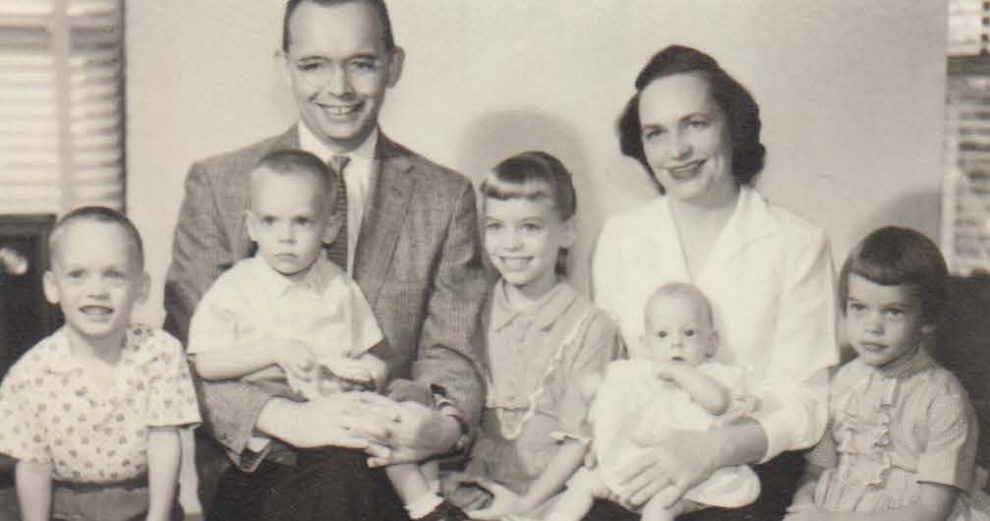


 As my kids grew up, I knew that the unquestioning faith they had as children would be replaced by all the important questions of youth. As parents, Kim and I encouraged lots of intellectual exploring by reading widely, continually discussing and debating with our children. It helped that she and I are usually at opposite ends of any spectrum of opinion, so the kids grew up knowing the importance of disagreeing agreeably and of digging out answers that satisfied their individual concerns. But we united as parents as far as eternal truths are concerned, and it was important that our kids have confidence that they could get solid answers. They could get solid opinions from Mom and me, and they could get solid answers directly from God. It was especially important that they do so when it came to matters of faith, whether to live righteously, to keep commandments, to stay morally clean, or to follow the weightier matters of the law. When they were teenagers, we’d spend hours studying to master scriptures and to wrestle for gospel answers, making a game of it whenever possible. Bribing with Skittles candy made it fun — It was a game only when the kids felt it was fun. Tackle scripture chase, anyone?






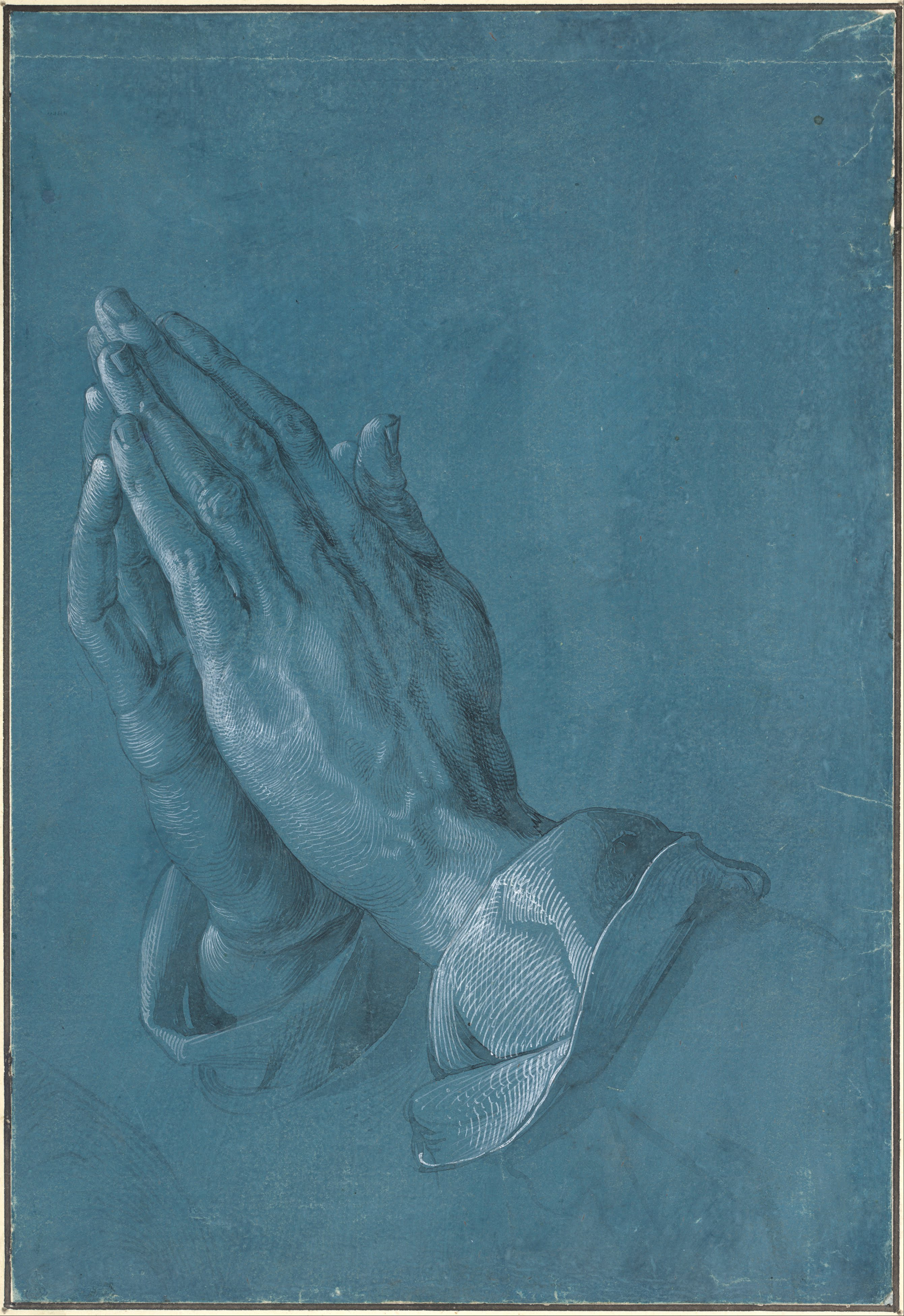







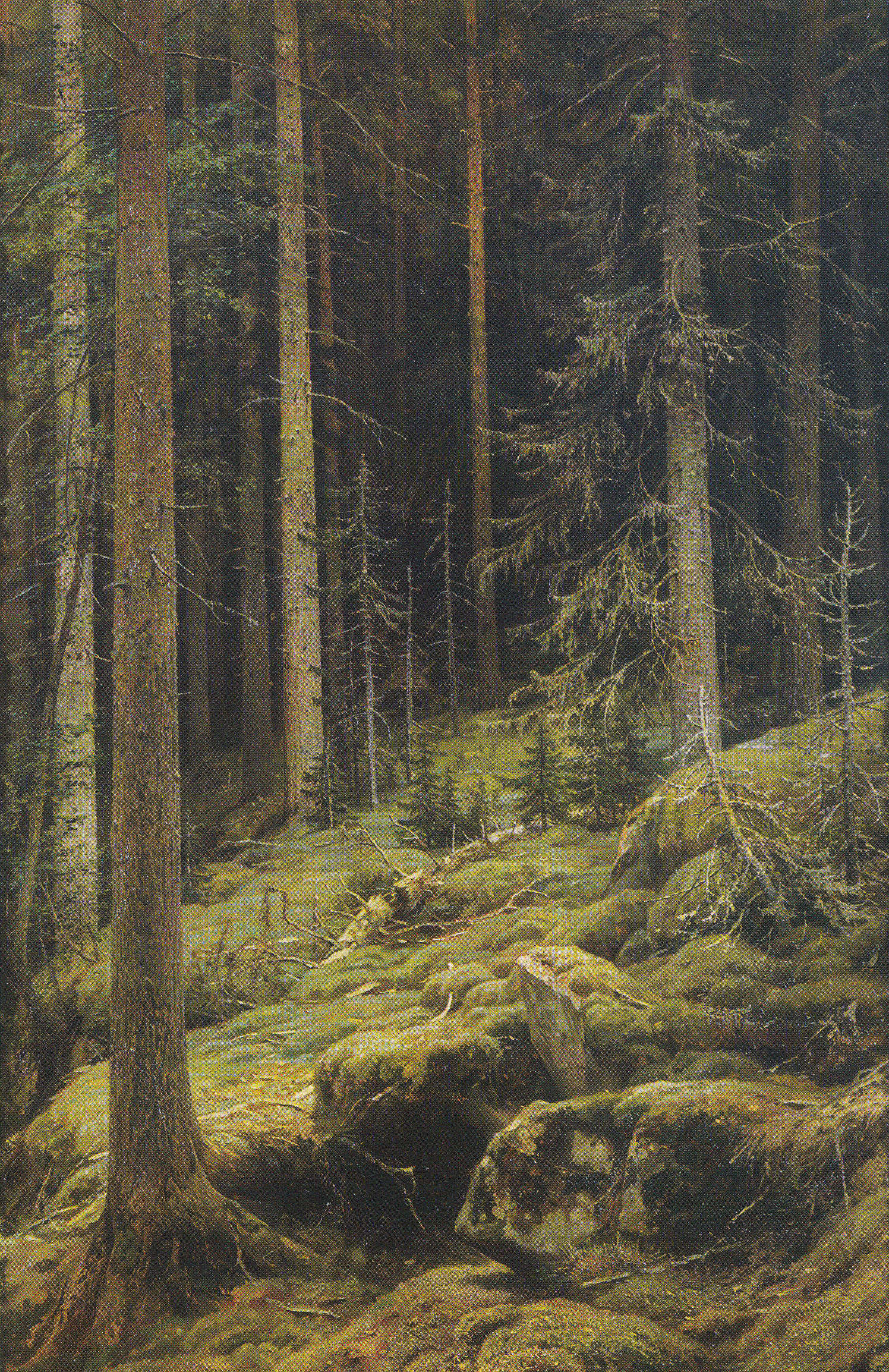


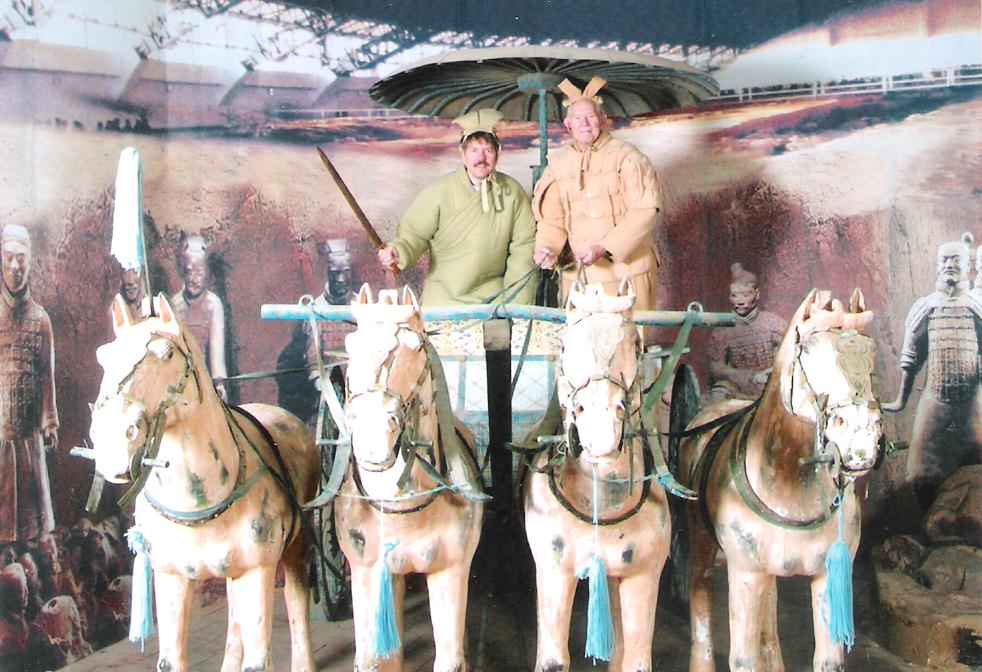

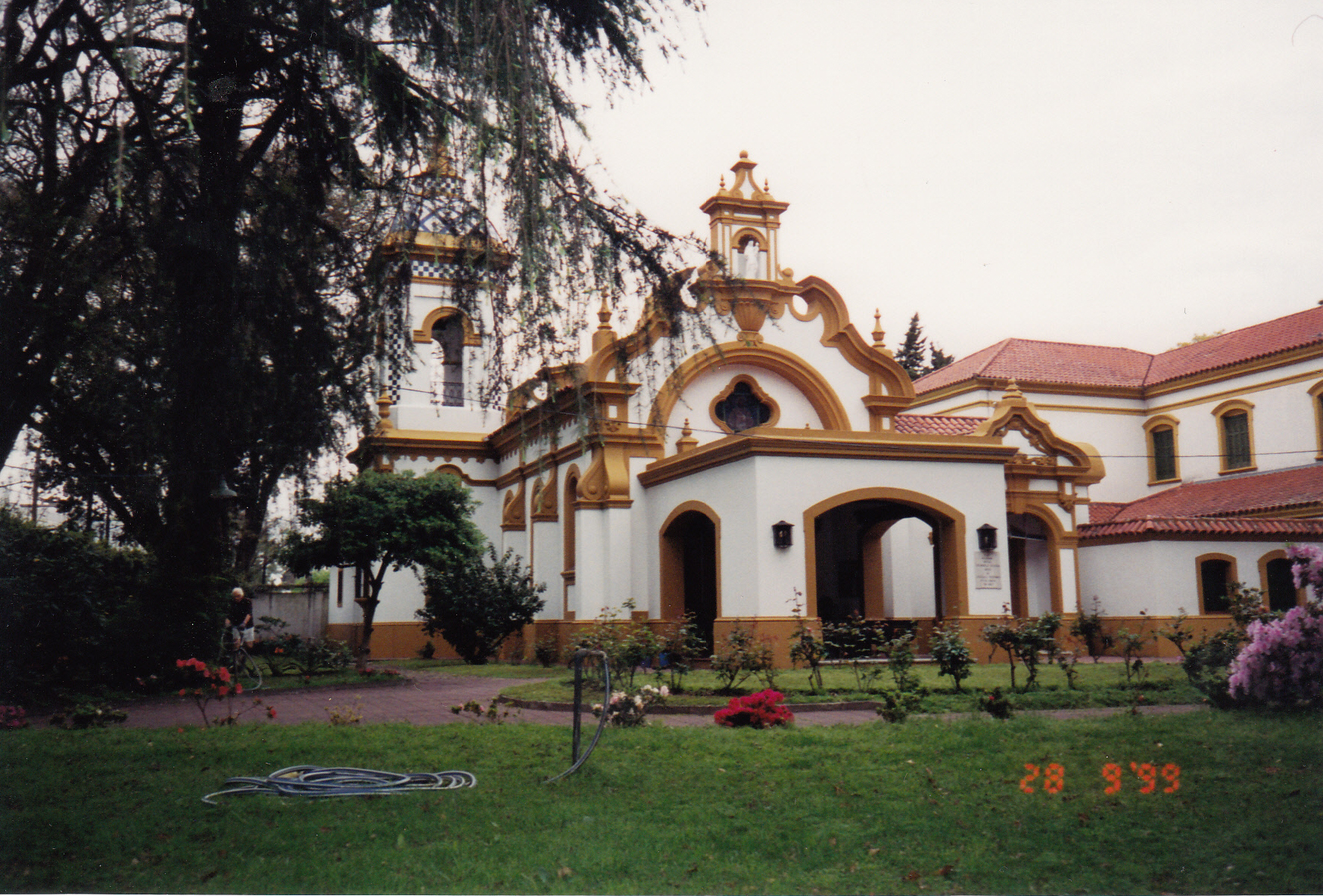
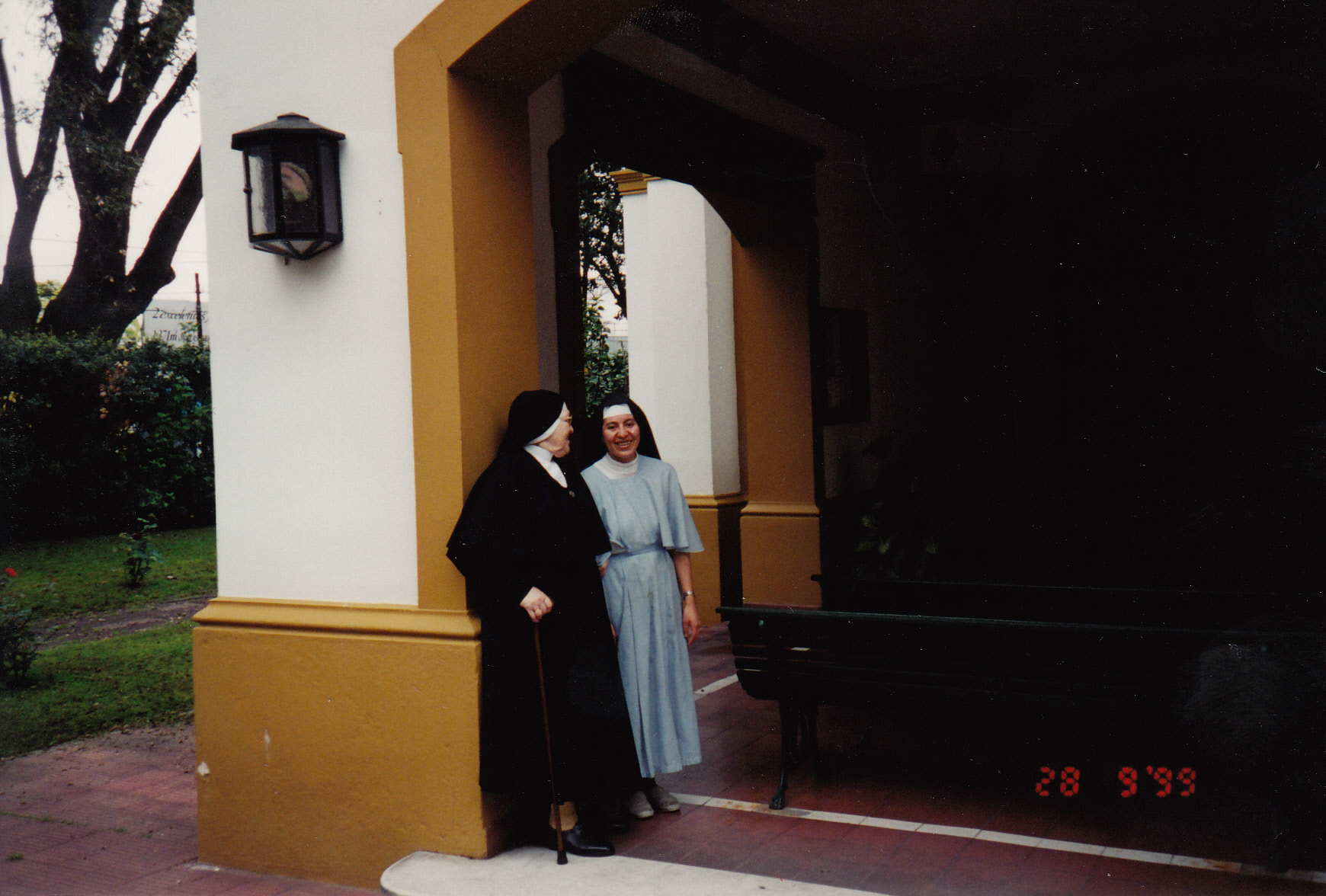





















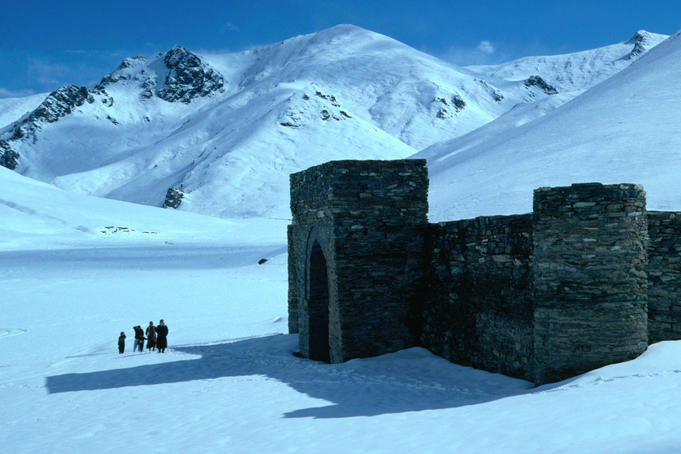



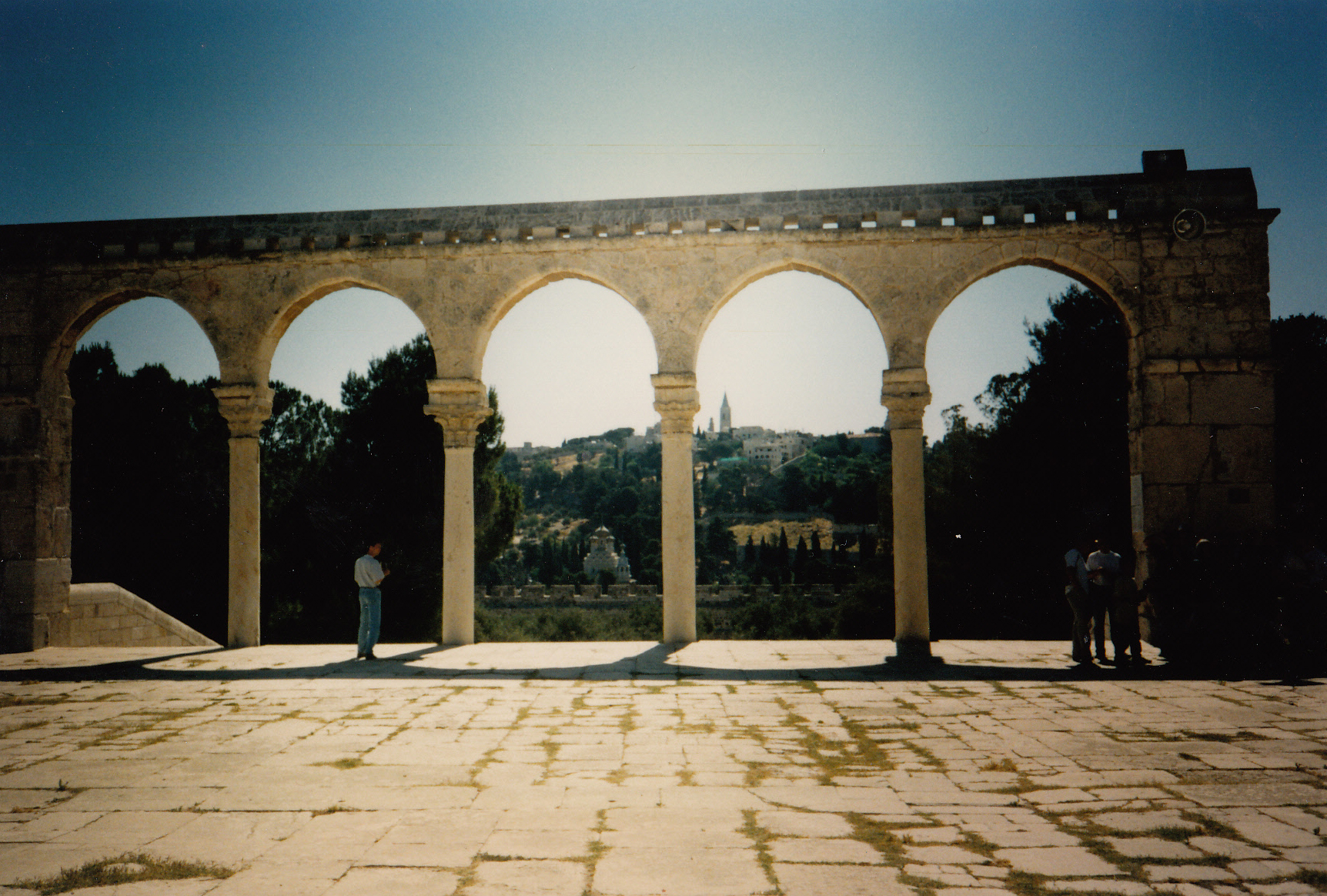








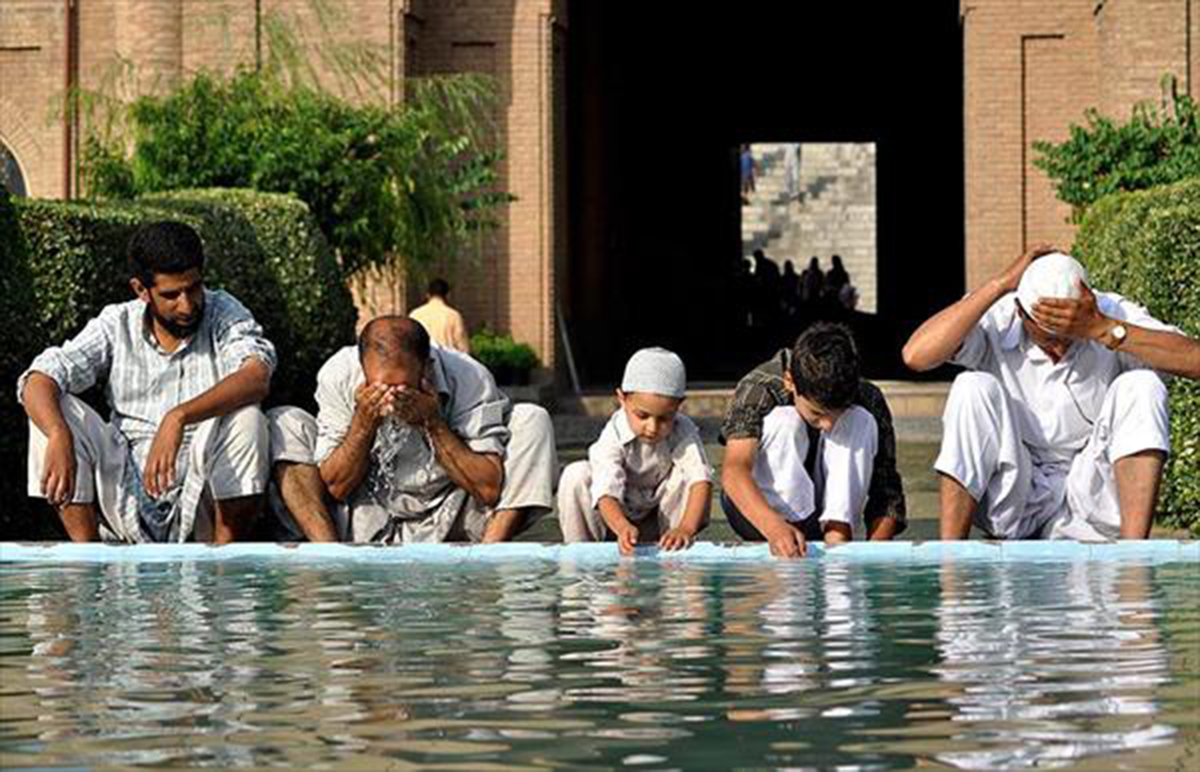


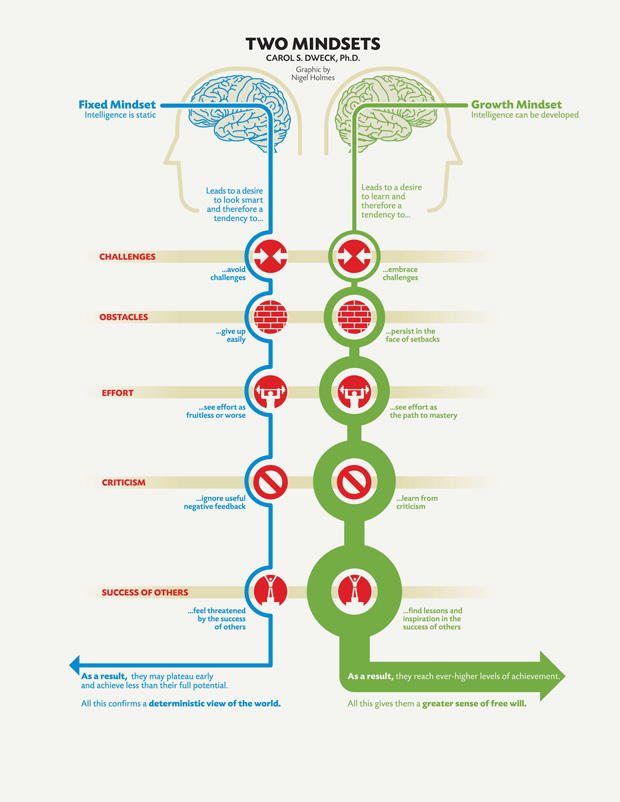




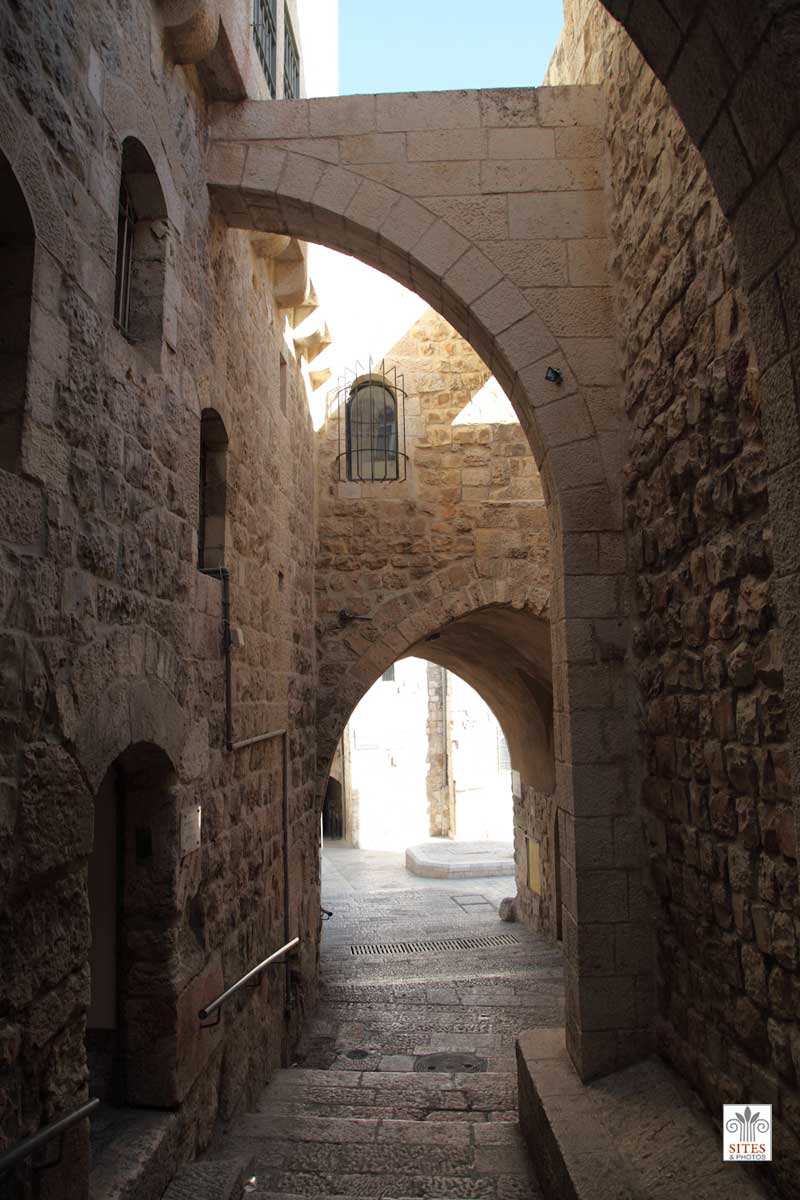
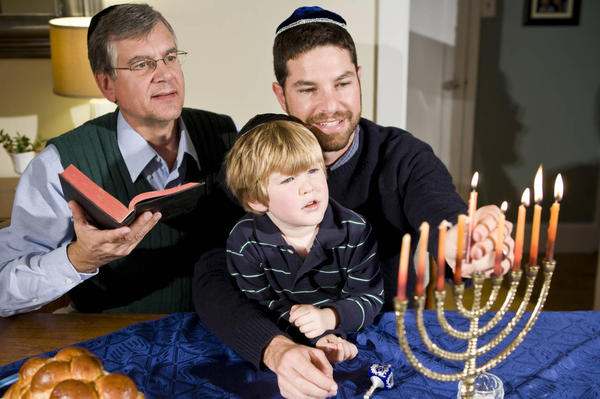


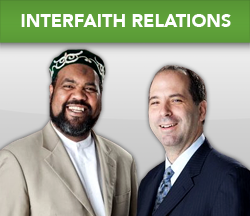


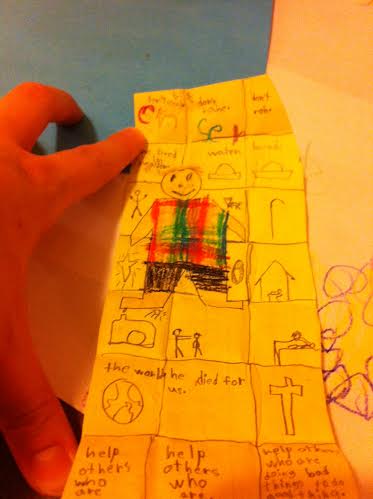





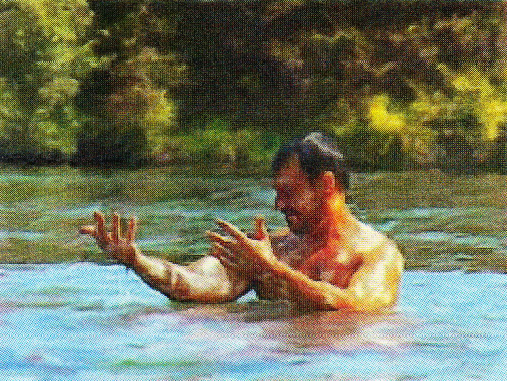


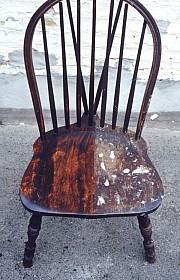

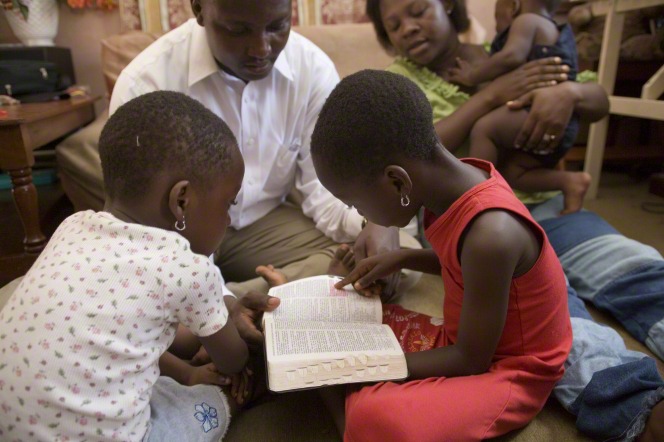












 Todd
Todd Dave
Dave Brendan Sweeny
 MormonPanorama
 Brian
Brian Brittany
 Mike
Mike Kim
Kim Kevin
Kevin Whit
Whit MormonPanorama